What to Make a Phone Call: A Step-by-Step Guide
Learn practical steps, scripts, and etiquette for making a phone call. Prepare, connect, speak clearly, and follow up with confidence using our comprehensive, actionable guide.


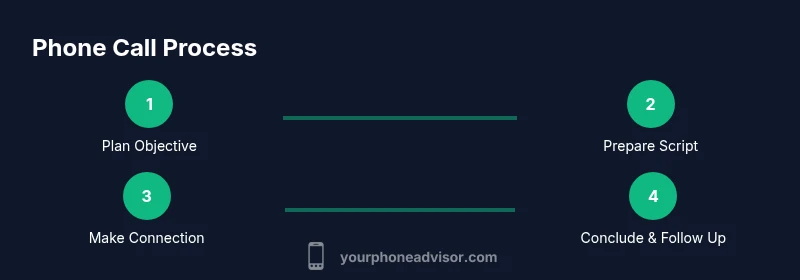
You’ll learn what to make a phone call — from defining purpose to closing with clear next steps. You’ll gather essential tools, draft a short outline, and follow a step-by-step process to connect, communicate, and close confidently. Before dialing, confirm the contact details, environment, and time.
Define the Call's Objective and Desired Outcome
Before you lift the phone, ask yourself what you want to accomplish and what a successful outcome looks like. Your objective could be to gather information, schedule a meeting, resolve a problem, or simply check in. Write a single sentence that captures the desired result, such as "Confirm appointment for Friday at 2 PM" or "Collect the required documents by end of day." When you know the objective, you guide the entire conversation and minimize detours. If you’re asking yourself which topics to cover, start with the main point and then add a couple of supporting questions. This is part of what to make a phone call, and it helps you stay focused from the first greeting.
Gather Tools and Create a Quiet Environment
Choose a location with minimal background noise and strong cell signal. Have your charged device, charger or power bank, and any notes or documents you may reference during the call. Keep a pen and notepad handy for jotting quick details. If you expect interruptions, inform others nearby you’re about to call and set a brief window for the conversation. Preparing these tools in advance reduces delays and helps you sound confident when you say hello.
Draft a Short Script or Outline (What to Say)
A concise script or outline prevents you from rambling and helps you cover essential points. Start with a friendly greeting, state your objective in one sentence, and list 3-4 questions or topics. Include a clear proposed next step at the end. For example: “Hi [Name], this is [Your Name] from [Company]. I’m calling to confirm our meeting time and gather a few details. Could we discuss [topic] and decide on [next step] by the end of today?” Tailor the script to formal or casual contexts, and practice aloud to reduce hesitation.
The Dialing Process: Getting Connected
Double-check the number you’re dialing, the correct time zone, and whether the recipient is available. If you’re calling a business, confirm hours of operation and your purpose. When the line connects, introduce yourself immediately and keep the introduction brief. If there’s a long pause after you speak, count to three before assuming the other person is unavailable. Quick, clear openings set a positive tone and reduce awkward silences.
Conducting the Conversation: Tone, Pace, and Clarity
Speak at a steady, natural pace and enunciate clearly. Use a respectful, friendly tone and actively listen for cues from the other person. Paraphrase complex points to confirm understanding and ask clarifying questions when needed. Periodically summarize what’s been decided to prevent miscommunication. If you realize your initial objective needs adjustment, propose a revised plan and seek agreement before moving forward.
Handling Common Scenarios: Scheduling, Information Requests, and Problem-Solving
Different call contexts require tailored approaches. For scheduling: propose several time options and confirm one that works. For information requests: specify what you need, why it’s needed, and by when. For problem-solving: acknowledge the issue, outline possible solutions, and ask for the other person’s input. In every scenario, stay courteous, avoid jargon, and be explicit about expectations and deadlines.
Ending the Call and Defining Next Steps
Conclude with a brief recap of the decisions made and the next actions, including who is responsible and by when. Confirm the preferred method and time for follow-up, and thank the other person for their time. If you promised documentation or a date for confirmation, state it clearly and offer to send a summary via email or text.
Troubleshooting: Poor Connection, Noise, and Interruptions
If the line is hard to hear, ask the other person to repeat or switch to a clearer channel. Minimize background noise, reduce echo by using a headset, and move to a quieter space if possible. If you’re interrupted, acknowledge the distraction, summarize what you were discussing, and request a brief pause before continuing. When call quality is unacceptable, propose rescheduling instead of forcing an unresolved conversation.
Real-Life Examples and Sample Scripts
Example 1: Formal business call Hi Dr. Patel, this is Anika Sharma from Your Company. I’m calling to confirm the meeting on Friday at 10 AM and to gather a short agenda. Could you share any preferred topics or documents you’d like us to prepare? If today isn’t ideal, I’m happy to reschedule. Thank you for your time.
Example 2: Casual check-in with a colleague Hey Sam, it’s Maya from the team. Quick check-in about the design mockups—do you have a minute to review the latest files? I’d like to align on the color scheme and timing for feedback. If you’re tied up, I can call back later or chat now if you’re free.
Example 3: Customer-support call Hello, this is Luis from Your Support Desk. I’m calling to follow up on your service ticket #12345. I’d like to confirm the issue details and explain the next steps we’ll take to resolve it. Do you have a moment to talk, or would you prefer I email the update?
Tools & Materials
- Phone(Fully charged and within signal range before starting the call)
- Charger or power bank(Keep power available in case of long calls)
- Notes or outline(Key talking points, numbers, and names for quick reference)
- Contact information(Phone numbers, emails, and alt contact methods)
- Quiet space(Minimize background noise to improve clarity)
- Headset or earbuds(Optional for hands-free use or better audio quality)
Steps
Estimated time: 15-20 minutes
- 1
Define objective and outcome
Clearly state the purpose of the call and what will count as a successful outcome. This anchors the conversation and guides questions. If you need a decision, have a specific deadline ready when proposing next steps.
Tip: State the objective in one sentence; keep it achievable within the call. - 2
Prepare your talking points
Create a brief outline with 3–4 bullet points you must cover. Include any questions you must ask and the exact information you need. This reduces rambling and keeps the call efficient.
Tip: Practice aloud to build confidence and natural cadence. - 3
Check logistics and environment
Ensure your device is charged, you’re in a quiet space, and you have easy access to notes. Verify you have the correct contact information and time zone. Poor setup leads to avoidable delays or miscommunication.
Tip: Turn off notifications and enable Do Not Disturb, if needed. - 4
Dial and establish connection
Dial the number, introduce yourself clearly, and state the call’s objective within the first 15 seconds. If you don’t reach the person, leave a concise voicemail with your purpose and a follow-up time.
Tip: Keep the opening line under 20 seconds to respect the other person’s time. - 5
Conduct the core conversation
Present your points succinctly, listen actively, and ask clarifying questions. Paraphrase decisions to confirm understanding and avoid misinterpretation.
Tip: Pause briefly after making a point to invite feedback. - 6
Summarize and set next steps
End with a clear recap of decisions and assign action items with deadlines. Confirm how you’ll follow up (email, message, or another call).
Tip: Agree on a single next step to prevent scope creep. - 7
Close politely
Thank the other person for their time and confirm any required follow-up. End the call on a courteous note to preserve goodwill for future interactions.
Tip: A warm closing leaves a positive impression. - 8
Post-call follow-up
Document the outcomes, share a brief recap if needed, and schedule the next touchpoint. Review what went well and what could improve for the next call.
Tip: Review your script after the call to refine for next time.
Got Questions?
What should I say first on a phone call?
Greet the person, identify yourself, and state the call’s purpose in one sentence. This sets expectations and makes the rest of the conversation smoother.
Greet, identify yourself, and state the purpose in one sentence to set expectations.
How do I handle interruptions or busy lines?
Acknowledge the interruption, offer to call back or schedule a better time, and propose sharing key details via email if needed.
Acknowledge the interruption and offer to reconnect or follow up by email.
What if I don’t know the person’s name?
Use a respectful greeting and introduce yourself with your role or company. If appropriate, ask for the person’s preferred form of address.
Greet respectfully, introduce yourself, and ask for the preferred form of address.
Is it appropriate to record a phone call?
Only record with consent from all parties involved, and note the purpose for the recording.
Record only with consent, and explain the purpose to the other person.
How can I keep a call concise?
Prepare a strict outline and timebox each topic. If you’re near the time limit, propose a quick wrap-up and schedule a follow-up if needed.
Outline topics and timebox, then summarize and plan a follow-up if needed.
What should I do after the call if I forgot something?
Send a brief follow-up message with the missing details and a recap of agreed actions.
Follow up with missing details and a recap of actions.
Watch Video
What to Remember
- Define the call objective before dialing.
- Prepare a concise talking outline.
- Speak clearly and listen actively.
- Close with a specific next step and follow up.