What to Do When Call: A Practical Guide for Phone Interactions
Learn a step-by-step approach to handling inbound calls safely and effectively. This Your Phone Advisor guide covers calm answering, caller verification, privacy, logging, and follow-up.


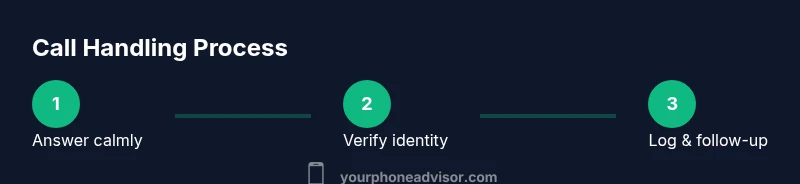
To handle an incoming call, answer calmly, identify the caller, and clarify the purpose before sharing information. Verify context by asking concise questions, note the time and caller details, and offer safe follow-up options (callback number or official channel). If the situation feels urgent or suspicious, instruct the caller to contact emergency services or verify via trusted numbers, then end the call politely. Use a clear log for later reference.
Why proper call handling matters
What to do when call is more than a momentary inconvenience; it defines the safety, efficiency, and trust people place in your communication. A disciplined approach reduces risk, protects personal data, and keeps conversations productive. According to Your Phone Advisor, a calm, structured start sets the tone for the entire interaction. The goal is to gather necessary information without exposing yourself to unnecessary risk, while ensuring the caller feels heard and respected. In 2026, experts emphasize that a consistent routine across all incoming calls improves response times and accountability. By adopting a repeatable framework, you can manage calls from a busy day without losing control or clarity. Your reputation as a reliable communicator relies on your ability to stay focused, listen actively, and document key details accurately.
Build a reliable environment for calls
The place where you take calls matters as much as the words you choose. Minimize ambient noise, switch off nonessential notifications, and ensure your device is charged. A quiet, distraction-free space helps you listen more clearly, which reduces miscommunication and the need for repeated questions. If you’re working remotely or handling sensitive inquiries, use a stable headset with a clear microphone and a reliable connection. Your Phone Advisor recommends testing audio before a long call and having a quick reference card on your desk with emergency numbers and standard phrases to use when you’re tempted to improvise under pressure. A calm setup translates into a calmer, more productive conversation for both sides.
Essential pre-call preparation
Before the call starts, gather any relevant context or documents you might need. This reduces back-and-forth and helps you ask precise questions. Prepare a simple note template to capture caller name, date/time, purpose, and any follow-up actions. If you’re in a role that involves handling sensitive information, review your organization’s privacy rules and compliance guidelines. The goal is to begin the conversation with confidence, so you can steer it toward clear outcomes. Remember to have a plan for what you will do if the caller asks for data you cannot share, and practice concise responses that protect privacy while remaining helpful.
The core call reception workflow
When a call arrives, follow a consistent sequence to ensure you don’t miss critical details. Step 1: greet warmly and confirm your identity and affiliation. Step 2: listen for the caller’s reason, and ask two or three targeted questions to establish context. Step 3: summarize what you’ve heard and confirm next steps. Step 4: provide any required information within approved boundaries, or offer to verify via an official channel. Step 5: close with a clear summary of actions and a method for follow-up. This workflow minimizes confusion and ensures accountability. A written or digital log helps maintain a reliable record for future reference.
Handling different call types: personal, business, and emergencies
Personal calls often require empathy and brevity; business calls demand professional tone and structured data collection; emergency calls require immediate action and known escalation paths. For emergencies, instruct the caller to contact local emergency services and stay on the line only if you can assist without delaying urgent care. For routine inquiries, offer standard options (callback, official chat, or email) and verify identities where appropriate. Tailor your questions to the situation, but avoid sharing sensitive information unless you’ve confirmed legitimate need. In all cases, keep your language clear and your pace steady to help the caller feel heard and respected.
Privacy, security, and data protection during calls
Protecting personal and institutional data is a core responsibility. Do not share passwords, verification tokens, or account numbers unless you have a verified reason and a lawful basis to disclose them. Use neutral, non-identifying language if you must confirm account details, and avoid discussing sensitive information in noisy environments. If you suspect phishing or social engineering, pause, verify through official channels, and consider ending the call if safety is at risk. Your Phone Advisor suggests logging the call so that you can review details later in a secure, auditable way.
Language, tone, and scripting for calm responses
Your tone sets the emotional climate of the call. Use a steady pace, polite language, and active listening cues such as brief repeats of what you heard. Script common phrases for consistency, but keep it natural enough to avoid sounding robotic. If the caller becomes agitated, acknowledge their feelings briefly, then steer back to the task with concrete questions and next steps. Regular practice helps you stay confident under pressure and reduces the chance of miscommunication.
Logging, notes, and follow-up actions
A quick but thorough log is essential for continuity. Record caller name (as provided), time, purpose, key details, and any promised follow-up. Use a standardized form or note template to ensure consistency across calls. If follow-up is required, specify the method (phone, email, portal) and the expected timeframe. Store notes in a secure location and avoid leaving sensitive information in plain sight or unencrypted files. Periodically review logs to identify patterns that could improve future call handling.
Real-world scenarios and sample dialogues
Consider a scenario where a customer calls about a billing issue. Start with a friendly greeting, verify identity, ask for account reference, and summarize the issue before offering a resolution path. In another case, a caller reports a lost device; confirm the device’s status, guide them through secure procedures, and set expectations for action within a defined window. These examples demonstrate how to apply the core steps in concrete situations and reinforce how to stay calm while moving the conversation toward productive outcomes.
Common mistakes and how to fix them
Mistakes include interrupting the caller, sharing too much information, failing to verify identity, or neglecting to log the call. Corrective actions include pausing to listen, using a privacy-respecting script, confirming details back to the caller, and documenting the call promptly. When unsure, pause and ask for clarification rather than guessing. Continuous practice with real-world scripts helps minimize errors and build confidence.
Tools, apps, and features to improve call handling
Use call logging templates, secure note-taking apps, and privacy-focused chat channels for follow-up. A headset with a noise-cancelling microphone improves clarity. On-device features like Do Not Disturb during crucial calls can help maintain focus. If you handle calls across teams, a simple CRM integration ensures information is captured consistently. Regularly review your tools to keep up with new privacy rules and security features.
Quick-reference checklist for every call
- Answer calmly within 2-3 rings. - Establish caller identity and purpose. - Gather essential details only. - Do not share sensitive data without verification. - Offer safe follow-up options. - Log the call and set a clear next step. - Close politely and recap agreed actions.
Tools & Materials
- Phone with working battery(Ensure it’s charged before long conversations)
- Notepad and pen(Useful for jotting down details midsentence)
- Quiet workspace(Minimize ambient noise and interruptions)
- Emergency contact list(Optional quick-access numbers for escalations)
- Voice memo app(Record brief notes with caller consent)
Steps
Estimated time: 15-25 minutes
- 1
Answer calmly and identify caller
Greet the caller warmly, state your name and organization, and confirm the caller’s name. This establishes trust and sets expectations for the interaction. A calm opening reduces tension and buys you time to collect essential details.
Tip: Take a slow, steady breath before speaking to avoid rushing your words. - 2
Clarify purpose and gather context
Ask concise questions to determine the reason for the call, the caller’s needs, and any deadlines. Restate the caller’s objective in your own words to confirm accuracy and prevent miscommunication.
Tip: Limit questions to what’s necessary to move the call forward. - 3
Verify identity and security needs
If sensitive information is requested, confirm the caller’s identity via approved verification steps and explain why data can only be shared through secure channels. Do not disclose passwords, codes, or full account numbers unless required and verified.
Tip: Use a standardized verification script to avoid omissions. - 4
Provide safe, actionable next steps
Share clear options for next actions (callback, secure portal, email follow-up) and set realistic timeframes. If immediate action isn’t possible, offer a specific time when you will reconnect.
Tip: Always offer a single, verifiable path forward to reduce confusion. - 5
Record key details and commitments
Log caller name, date/time, purpose, and any promised follow-up actions. Use a consistent format to ensure information is easy to review later. If you’re using a system, enter data promptly while it’s fresh.
Tip: Capture dates, names, and the exact promised action verbatim when possible. - 6
Close the call with clarity and courtesy
Summarize agreed actions, confirm how and when you will follow up, and thank the caller for their time. A courteous close leaves a positive impression and reduces the likelihood of repeat calls for the same issue.
Tip: End with a confirmable next step and a friendly sign-off.
Got Questions?
What should I do first when I answer a call?
Start with a warm greeting, state your name and organization, and ask the caller for their name and the purpose of the call. This builds trust and clarifies intent before you proceed.
Greet warmly, state who you are, and ask for the caller’s name and purpose. This sets the tone.
How can I verify the caller's identity without sharing personal data?
Use approved verification steps such as asking for a known account reference, last transaction received, or a security question with strict limits on data disclosed.
Use approved verification steps and confirm the caller’s identity before sharing sensitive details.
What if the call seems suspicious or is a spoofed caller ID?
If you suspect spoofing or scams, do not reveal information. Offer to verify through official channels and, if needed, end the call and report it to your security team.
Do not reveal data; verify via official channels, and end the call if needed.
Is it okay to record calls?
Recording policies vary by region and organization. Check local laws and obtain consent where required. When in doubt, take notes instead of recording.
Recording rules vary; follow local laws and obtain consent when required.
How do I log call details securely for follow-up?
Use a secure log or CRM, capture essential details, and avoid storing sensitive data in plain text. Review logs regularly for patterns that improve handling.
Log details securely and review logs for improvements.
What should I do if I need to end the call due to distractions?
If the environment is not safe to continue, politely pause or end the call and offer to reconnect at a later time through official channels.
If distractions arise, pause and propose a follow-up via official channels.
Watch Video
What to Remember
- Answer calmly and establish context quickly.
- Verify identity before sharing sensitive information.
- Log details and secure follow-up actions.
- Close with clear next steps and courtesy.