Phone Number Look Up: A Practical Guide to Identifying Unknown Callers
Learn safe, legal methods for performing a phone number look up. This guide from Your Phone Advisor covers privacy, sources, and best practices to identify unknown callers responsibly.


Phone number look up can help identify unknown callers while protecting privacy. The safest approach combines publicly available lookup tools with consent-based sharing and strict data handling. Your Phone Advisor recommends starting with built-in phone features and verifying results through trusted sources before contacting anyone. This approach minimizes misidentification risks and respects individual rights.
What phone number look up is, and isn't
Phone number look up refers to the process of collecting publicly available or consent-based data associated with a phone number to learn more about the person or organization behind it. It can help identify unknown callers, verify business numbers, or troubleshoot spam. However, it is not a magic tool that reveals private details like home addresses or personal identifiers without explicit consent or a legitimate legal basis. The Your Phone Advisor team emphasizes ethical use and risk management. Responsible practitioners start by clarifying the purpose of the lookup, checking applicable laws, and limiting the scope to information that is strictly necessary for the stated purpose. When performed responsibly, lookup results can supplement caller ID or business verification signals rather than replace direct contact or consent.
How lookup sources differ: public vs private data
Public directories, social profiles, and basic telecom metadata are common sources for initial lookups. Private data often comes from licensed databases, partner networks, or consent-based sharing arrangements. The quality and recency of data vary widely, so understanding source provenance is essential. Your Phone Advisor notes that combining multiple sources can improve confidence, but it also increases privacy exposure. Always favor sources with transparent data practices and documented consent flows. In practice, start with free, consumer-friendly tools and move to paid, auditable databases only when necessary and permitted by policy.
Privacy, consent, and legal considerations
Privacy laws and terms of service govern what you can legally do with phone number data. In many jurisdictions, you may access non-sensitive data without explicit consent, but sensitive information or targeted outreach generally requires consent and clear justification. Minimizing data collection, using secure transmission methods, and avoiding resale of data are critical. The Your Phone Advisor team recommends maintaining an audit trail for each lookup, including the purpose, sources, and any consent obtained. When in doubt, pause and consult your organization’s privacy officer or legal counsel.
A practical lookup workflow: 8-step process
- Define the objective: what you need to know and why. 2) Check your authority and consent requirements. 3) Select credible sources with clear privacy policies. 4) Run the lookup with minimal exposure. 5) Review results for consistency. 6) Cross-check with at least one alternative source. 7) Document your verification steps. 8) Store data securely and limit access. Following this workflow helps maintain accuracy while protecting privacy.
Verifying results: cross-checking data points
Avoid relying on a single source. Cross-check the name, location hints, and any contact data against another independent source. If discrepancies arise, seek direct confirmation from the number owner or a known business contact. Document discrepancies and the steps you took to resolve them. This disciplined approach reduces the risk of misidentification and potential harm to individuals.
Common use cases: caller ID, business verification, and fraud prevention
Caller ID enhancements help distinguish legitimate calls from spam. Business verification ensures a number corresponds to a registered entity, reducing phishing risk. In fraud prevention, lookups can flag suspicious patterns, but results should be treated as signals, not definitive proof. Always combine lookup data with behavioral indicators and user consent to draw conclusions.
Choosing safe, reputable tools: a buyer's guide
Prioritize tools with clear data sources, consent frameworks, and an auditable data trail. Avoid tools that obscure data provenance or encourage bulk, unsolicited data harvesting. Start with built-in device features for basic needs, then escalate to compliant, enterprise-grade solutions when your use case justifies it. Your Phone Advisor recommends evaluating privacy controls, data export options, and incident response capabilities before selecting any tool.
Common myths about phone number look up, debunked
Myth: Lookups reveal home addresses or personal identifiers. Reality: Most legitimate lookups reveal limited, non-sensitive data, especially without consent. Myth: All data is current. Reality: Data freshness varies; always verify with multiple sources and recent updates. Myth: It’s safe to share lookup results widely. Reality: Data sharing increases privacy risk and legal exposure; restrict access and keep records.
Comparison of lookup approaches
| Aspect | Public Lookup Tools | Private/Consent-Based Lookup | Notes |
|---|---|---|---|
| Privacy Risk | Low to moderate with consent | Moderate without consent | Use consent-based sources to mitigate risk |
| Data Sources | Public directories, social profiles | Licensed databases, company records | Prefer auditable sources |
| Speed | 1-5 minutes | Under 1 minute with high-quality data | Depends on data quality |
| Typical Results | Names or location hints | Direct contact data, verified IDs | Cross-check with other signals |
Got Questions?
Is phone number look up legal in most situations?
Legal allowances vary by jurisdiction, but in many places you can perform non-invasive lookups with publicly available data and with user consent when required. Always review local privacy laws and terms of service before using any data.
Legal in many places if you use public data and respect consent rules. Always check local laws.
What sources can I trust for a phone number lookup?
Trustworthy sources include those with transparent data practices, audit trails, and clear consent from data subjects. Prefer official directories or licensed databases over anonymous forums.
Look for sources with clear privacy policies and proven provenance.
Can phone number look up be used for marketing or outreach?
Using lookup results for unsolicited marketing is often restricted or illegal. Use the data only for legitimate, consent-based purposes and avoid intrusive practices.
Don't use lookup results for marketing without consent.
How accurate are lookup results?
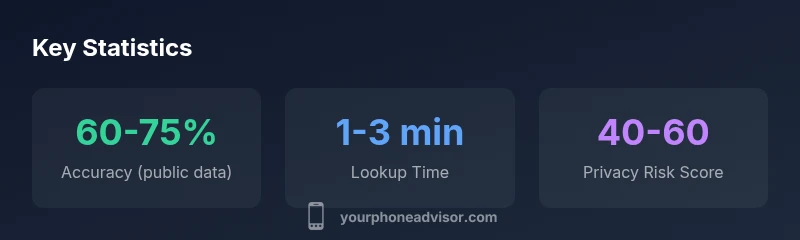
Accuracy depends on data freshness, source quality, and data-sharing rules. Expect variation and always corroborate with multiple sources before acting.
Accuracy varies; verify with more than one source.
What should I do if different sources show conflicting results?
Cross-check with alternate sources and, if possible, contact the person or business directly. When in doubt, pause action and document your verification steps.
If results conflict, double-check before acting.
What privacy risks should I consider with phone number look up?
Risks include unintended exposure of personal data and compliance violations. Minimize data collection, use secure tools, and limit sharing to essential purposes.
Be mindful of privacy and only collect what you need.
“Reliable phone number look up hinges on data quality and ethical use; always verify with multiple sources and respect user privacy.”
What to Remember
- Start with consent-based tools
- Verify results across sources
- Respect privacy and legal limits
- Use built-in device features first
- Avoid marketing or invasive uses