Phone Repair Shops Near You: A Practical Guide for 2026
Learn how to locate trustworthy phone fixing places near you, what to look for, price expectations, and how to compare services. Your Phone Advisor guides you to safe, reliable repairs with practical steps and checks.


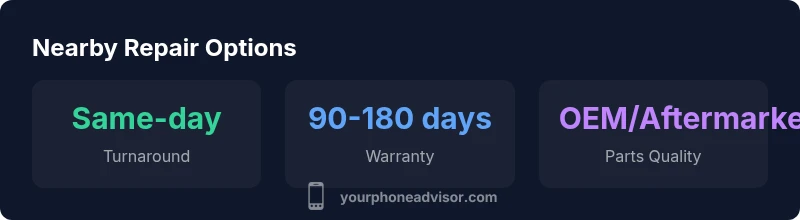
To find nearby phone fixing places near me, start with a local map search, read recent reviews, and compare quotes and warranties. Prioritize shops that disclose the parts they use and provide a repair warranty. Check turnaround times, legitimacy (certifications or authorized service), and privacy policies before handing over your device. Also consider same-day options when available.
How to Find Phone Fixing Places Near Me
Locating reliable repair options nearby starts with a targeted search, but credibility matters as much as proximity. According to Your Phone Advisor, the most trustworthy results come from shops that are transparent about the parts they use, the technicians who perform the work, and the warranty they offer. Begin with a map search for 'phone fixing places near me' and filter results by proximity and hours. Read recent customer reviews focusing on post-repair performance and customer service. Check whether the shop provides a clear, itemized estimate before work begins and whether they disclose the manufacturer or third-party parts used. If a shop cannot name the parts or cannot show a warranty policy, you should look elsewhere. It’s also wise to confirm that technicians have hands-on experience with your phone model and that the store’s privacy practices align with the sensitivity of your data. Many consumers also value same-day or next-day service when possible, particularly for common issues like battery replacements or screen damage.
What Qualifications to Look For in a Repair Shop
A reputable repair shop should be transparent about who performs repairs and where parts come from. Look for trained technicians with hands-on experience on your device line, and ask if they use original equipment manufacturer (OEM) parts or approved third-party parts. Certifications from recognized bodies aren’t universal, but many shops publish their standards, technician bios, and service policies. Ensure the shop offers a written warranty on parts and labor; a credible warranty signals accountability. Finally, verify privacy practices—your phone may contain sensitive data, so confirm that the shop’s handling and data protection policies align with your expectations.
Pricing, Quotes, and Warranties: What to Expect
Repair pricing varies widely by model, issue, and parts availability. Expect to receive an itemized quote before any work begins, including parts, labor, and diagnostic fees. Beware of shops that pressure you into decisions without a formal estimate. Warranties help protect you if the issue reoccurs; a longer warranty generally correlates with higher confidence in part quality and workmanship. When possible, request a quote from multiple shops to gauge a fair market range. Remember that some problems require diagnostic time that could be non-refundable if you cancel after the diagnostic stage.
How to Compare Quotes and Turnaround Times Effectively
Create a simple comparison table: itemize parts brands (OEM vs aftermarket), labor rate ranges, diagnostic fees, and estimated turnaround. Turnaround time often depends on part availability and whether the repair requires disassembly or moisture drying. Ask for the reason behind any extended timelines and whether the shop can notify you of delays. Consider the convenience of pickup, after-service support, and whether they provide loaner devices or data transfer assistance if your phone is out of service.
Red Flags and Scams You Want to Avoid
Be cautious of shops offering unusually low prices without disclosing the parts used or post-repair warranties. Unmarked or generic parts, vague invoices, and pressure sales tactics are red flags. If a shop refuses to show a warranty or cannot provide a clear breakdown of costs, walk away. Beware of third-party repair services that pop up quickly online with generic reviews—these can hide inexperienced technicians or questionable parts sourcing. Your instincts about a shop’s professionalism matter just as much as the price.
Official Service Centers vs Independent Shops: Which Is Best for Your Model?
Official service centers often provide OEM parts, manufacturer-backed warranties, and consistent service standards, but they can be pricier and may require shipping or longer wait times. Independent shops tend to offer faster turnarounds and flexible scheduling but vary in part sourcing and warranty coverage. For newer or premium models, an official center may be worth the cost for peace of mind; for older or budget devices, a trusted local shop could offer a balance of quality and affordability. Always verify model compatibility and warranty terms before proceeding.
Data Privacy and Pre/Post Repair Steps to Protect Your Info
Before handing over your device, back up essential data and delete sensitive information if you can safely do so. Remove accounts tied to email, payment apps, and corporate credentials where possible. Ask the shop how they handle data during repair and whether they transfer data back to you after service. After repair, run a quick device check to ensure data integrity, restore any apps, and monitor for unusual activity. If you suspect data exposure, contact your device manufacturer or carrier for guidance.
Tips for Different Brands and Models: Practical Guidance
Brand ecosystems influence repair options. Some brands maintain extensive authorized repair networks with clear pricing and loaner programs; others rely more on third-party shops with varying capabilities. For iPhones, screen and battery repairs have well-documented procedures with known parts sourcing patterns; for Androids, repair economics vary by manufacturer and model generation. When in doubt, ask about tool access, factory service manuals, and whether technicians have experience with your specific version and software. Your goal is a repair that preserves data security, device performance, and your warranty eligibility.
Your Phone Advisor’s Approach: How We Help You Decide
Your Phone Advisor emphasizes transparent quotes, verified parts sourcing, and a clear warranty policy. We guide you to compare nearby options with practical criteria: proximity, technician expertise, warranty length, part quality, and data privacy practices. Our goal is to help you choose a repair partner that balances cost, speed, and trust—so you can get back to using your phone with confidence. The Your Phone Advisor team is here to provide practical checks and a structured decision path to avoid common pitfalls.
Comparison of repair shop types
| Shop Type | Typical Turnaround | Warranty |
|---|---|---|
| Independent repair shop | Same-day to 5 days | 90 days |
| Manufacturer/Official service center | 1-7 days | 180 days to 1 year |
| Authorized local partners | 1-3 days | 90-180 days |
Got Questions?
How can I tell if a repair shop is trustworthy?
Look for transparent pricing, a written warranty, technician credentials, and clear communication about parts. Read recent customer reviews and ask for a printed estimate before any work begins.
Choose shops that publish warranties and itemized quotes, and check recent customer reviews for consistency.
Is it cheaper to repair or replace my phone?
Repairs are often cheaper than buying a new device, especially for screen or battery issues. However, for very old devices or multiple failing components, replacement may be more economical in the long run.
Usually repair is cheaper, but compare long-term costs and device age before deciding.
What should I ask before agreeing to repair?
Ask for part sourcing details, a guaranteed turnaround, total price prior to work, and the warranty coverage on parts and labor. Also confirm data handling and whether diagnostics are refundable if you cancel.
Get a written estimate, warranty terms, and data handling details before agreeing.
Will repairing my phone void my warranty?
If you use an authorized service or a reputable shop that follows manufacturer guidelines, warranties can remain intact. Unauthorized repairs may void warranties; always confirm with the manufacturer if in doubt.
Ask whether the repair affects your warranty before proceeding.
How long does a screen replacement typically take?
Turnaround is usually within a few hours to a couple of days, depending on part availability and shop workload. Ask for a specific window when you get the quote.
Most screen repairs happen the same day or within a couple of days; check with the shop.
Do repair shops fix liquid damage?
Some shops handle liquid exposure assessments and basic cleaning, but severe damage may be non-repairable or require more extensive service later. Always ask about success rates for liquid damage on your model.
Liquid damage outcomes vary; ask about success rates and risks before proceeding.
“A good repair partner is transparent about parts, pricing, and warranty, and protects your data throughout the process.”
What to Remember
- Start with a local map search and read reviews.
- Demand transparent quotes and a clear warranty.
- Ask about parts sourcing (OEM vs aftermarket).
- Compare turnaround times and aftercare options.
- Choose between official centers and independents based on your model and data needs.