Fix Phone Places Near Me: A Practical Guide to Local Phone Repairs
Learn how to locate reliable fix phone places near me, evaluate pricing and warranties, protect your data, and choose between DIY vs. pro repair with practical, expert guidance from Your Phone Advisor.


How to Find Reputable Phone Repair Shops Near You
Finding a trustworthy option to fix phone places near me can feel overwhelming, but a thoughtful screening process simplifies the task. Start by compiling a short list of candidate shops within a 10–20 mile radius. Then apply a four-criterion filter: (1) technician credentials and certifications (look for technicians with manufacturer training or recognized repair certifications), (2) transparent pricing (request written quotes and look for itemized estimates), (3) posted turnaround times (every repair should have an estimated window), and (4) warranties on parts and labor (minimum 90 days is common). This approach helps you quickly separate reputable shops from vague promises. In parallel, search for customer feedback across multiple platforms—Google, Yelp, and local forums—to detect patterns in service quality. If a shop doesn’t publish turnaround estimates or seems hesitant to discuss privacy, consider another option. According to Your Phone Advisor, transparency across pricing, timelines, and privacy is the strongest signal of a trustworthy repair partner.
When you narrow to a few candidates, perform quick confirmations by calling or emailing. Ask specific questions: What brands and models do you service? Do you replace with OEM or aftermarket parts? Do you provide a written warranty? These details matter when you later compare quotes and decide where to hand over sensitive data or your device.
As you search, remember the intent behind your query fix phone places near me. You want speed without sacrificing quality, and you want a shop that respects your data and offers clear terms. The right partner will provide a transparent discussion, a detailed written quote, and a plain-language warranty policy that covers both parts and labor. Your goal is to end up with a local shop that you feel confident recommending to friends and family.
What to Look for in a Repair Shop
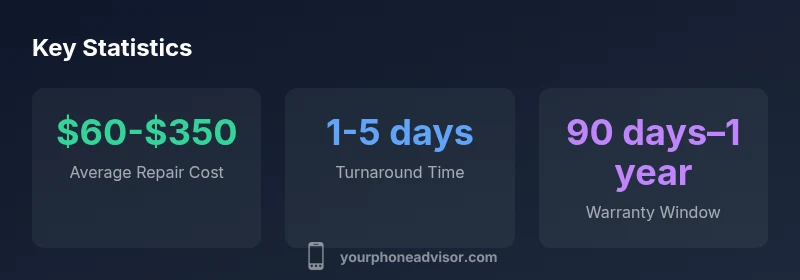
A reliable repair shop demonstrates consistent practices that protect both your device and your data. Start by verifying technician qualifications: look for factory training certificates, manufacturer-authorized service status, and a clear track record of successful repairs similar to your issue. Pricing should be transparent—prefer shops that provide written estimates before any work begins and list the expected costs for parts, labor, and potential discounts for bundled services. Warranties are another crucial factor; aim for at least 90 days on parts and labor, with longer coverage offering better protection for expensive screens or battery replacements. Privacy policies should be visible and thorough, outlining how data is handled, whether devices are data-wiped if requested, and what happens if data is inadvertently exposed. If a shop can’t provide these details, walk away.
Physically inspecting the shop can reveal a lot about professionalism. A tidy workspace, clean diagnostic tools, and orderly parts storage indicate disciplined practices. Ask about data handling and device return processes to ensure your data won’t be mishandled or left accessible during the service. A reputable shop will be happy to walk you through their workflow and provide a written checklist of steps to protect your information throughout the repair.
Another useful signal is the availability of customer service channels. Responsive teams that offer chat, phone, and email support suggest a higher level of accountability. Finally, check for third-party certifications or endorsements from reputable consumer groups. These external validations can reinforce your assessment that the shop is trustworthy and committed to quality work.
Common Services and Pricing Ranges
Understanding typical repair offerings helps you compare options when you search fix phone places near me. Common services include screen replacement, LCD or OLED panel swaps, battery replacements, charging port repairs, camera repairs, audio module fixes, and water-damage remediation. Prices vary by model, parts availability, and the shop’s pricing philosophy. A reasonable range for common fixes is roughly $60–$350, with iPhone and premium Android devices skewing higher for screen or battery replacements. Some shops offer flat-rate pricing for popular services, while others bill by the hour for complex diagnostics. When requesting quotes, ask for a breakdown of parts (OEM vs. aftermarket), labor, and any diagnostic fees. Don’t forget to inquire about data handling during repairs—some shops offer to wipe data with your consent, while others preserve user data unless you request a wipe.
For out-of-warranty or water-damage scenarios, many shops provide a triage assessment and a repair plan that includes potential replacement options and the associated costs. You should also confirm whether the quoted price includes adhesive and sensor integration, which can influence both the outcome and the device’s risk profile. If your device is older or your data is particularly sensitive, consider whether continuing with the repair is cost-effective or if a screen or battery refresh should be combined with discounted trade-in options.
Finally, consider the warranty positioning. Good shops offer warranties that cover both parts and labor for a specified period. A longer warranty is a strong sign of confidence in the repair and the quality of the replacement components. When in doubt, ask for a written warranty card and keep it with your repair receipts for future reference.
Safety, Privacy, and Data Protection
Data protection should be a non-negotiable criterion when selecting fix phone places near me. Before handing over your device, ask about the shop’s data handling practices. Do they perform a data wipe on devices? Is data preserved, and if so, how is it safeguarded during the repair? Reputable shops typically offer options for backing up data and securely erasing information if you request a reset or replacement. If you choose to back up your data yourself, ensure you’ve completed it before repair and encrypted sensitive items where possible.
Ask about how the shop isolates your device from other technicians during diagnostics and repairs. A trustworthy shop will maintain a controlled workflow to minimize exposure to your personal data. Verify if the shop uses air-tight privacy policies or sign-off sheets for data handling—these policies reflect how seriously they take data privacy. If you’re uncomfortable with any process, request a different approach or take your device elsewhere. Finally, ensure you receive your device back with a printed note summarizing the work performed, the parts used (with part numbers), and the warranty terms.
Security-conscious customers can also inquire about payment privacy—use secure payment methods and avoid cash-only transactions when possible. A transparent repair shop will provide documentation and offer a privacy policy that you can review before agreeing to repairs. These steps minimize risk and help protect your information during the repair journey.
DIY vs Professional Repair: When to Go Pro
DIY phone repair can be tempting for simple tasks, but it’s not always the most cost-effective or safe option. Minor fixes like screen protectors, basic screen cleaning, or swapping a modular battery in older models might be manageable with proper toolkits and safety precautions. However, more complex tasks—such as battery replacements on newer devices, motherboard-level repairs, or camera module work—usually require professional service. The risk of damaging sensitive components or compromising data is high without the right tools and expertise. If you’re unsure about your skills, it’s prudent to contact a certified repair provider near you. Even when you attempt a DIY fix, consider consulting a professional for a diagnostic check to avoid escalating issues.
When choosing a repair path, weigh the cost of parts, labor, and potential data loss against the time you’d spend learning and performing the fix. For many, the peace of mind and quality assurance that a professional offers—especially with warranties—outweighs the initial savings from a DIY approach. If you decide to DIY, stick to reputable guides from trusted sources and use high-quality, compatible parts. Always back up your data before attempting any repair and never work on a device while it’s charged or connected to power.
In all cases, seek local guidance from fix phone places near me. A reputable local shop can provide a quick diagnostic, realistic timelines, and alternatives that maintain device integrity and protect your information. Your Phone Advisor consistently recommends comparing multiple shops to ensure you receive the best balance of price, quality, and privacy.
Steps to Verify a Local Shop Tonight
If you’re pressed for time, follow a compact, practical checklist to verify a local shop tonight. Step 1: Search for nearby shops and read at least 3 recent reviews to gauge consistency. Step 2: Call or message to request a written estimate and a clear breakdown of parts and labor. Step 3: Ask what warranties are offered and whether the shop can provide a copy of their privacy policy. Step 4: Confirm whether diagnostic fees are waived if you proceed with a repair and whether your data will be preserved or wiped if needed. Step 5: Prepare your device for service by backing up essential data and removing unnecessary accessories. Step 6: Upon drop-off, request a written repair checklist and a receipt with the estimated completion window. These steps help you decide quickly without sacrificing quality or data security.
What to Expect After Your Repair
After the repair is completed, inspect the device for screen quality, touch responsiveness, camera clarity, and battery performance. Test basic functions—call quality, Wi-Fi connectivity, Bluetooth pairing, and charging behavior. If a warranty card was provided, review it to understand the coverage and the process for filing a claim if something goes wrong. If you notice issues, contact the shop immediately and ask for a quick re-inspection within the warranty period. Keep all receipts and notes relating to the repair for future reference. Regular maintenance, such as keeping the device updated and cleaning ports, can help extend the life of the repair. By taking these steps, you maintain device reliability and protect your data long after you leave the shop.