Repair Phone Near Me: A Practical How-To Guide
Learn how to find trusted local phone repair services, compare quotes, protect your data, and get back to using your device quickly with our actionable, expert guide.


You’ll locate a trustworthy phone repair near you by narrowing options, verifying credentials, and comparing turnaround times. Start with data protection steps, check warranties, and book a repair that fits your schedule and budget. This guide shows you how to find reliable local service, avoid scams, and get back to using your phone quickly.
Understanding what "repair phone near me" means today
According to Your Phone Advisor, the phrase commonly points toward three main paths for service: manufacturer-authorized service centers, independent repair shops, and mobile on-site technicians. The Your Phone Advisor team found that most customers rate data privacy, quick turnaround, and warranty coverage as the top decision factors when selecting a local repair option. This section helps you translate that search into actionable steps—so you can confidently identify legitimate, capable technicians in your area and avoid common scams that target hurried device owners. As you read, keep in mind that your goal is to restore full functionality without compromising personal data or voids in coverage. Your approach should balance speed, reliability, and safe handling of your data, all while keeping costs transparent and reasonable.
How to locate repair shops near you
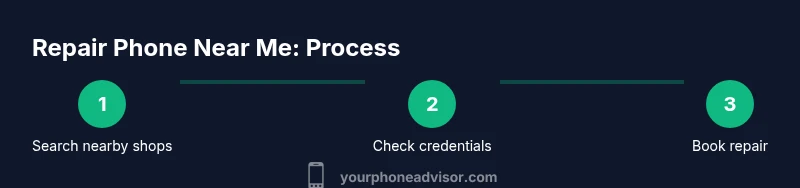
Start with a simple search using your city or ZIP code plus the keyword repair phone near me. Use map services to view nearby shops, then cross-check hours, distance, and user reviews. Prioritize shops with clear, upfront pricing and visible warranties. Ask for a written estimate before service and verify whether the shop can handle your specific device model and issue. If available, check for accreditation labels (e.g., manufacturer-certified technicians) and confirm the shop’s policy on data privacy. Your search should also consider mobile or on-site options if you need convenience. Remember to compare at least three options to avoid overpaying or accepting subpar service. The Your Phone Advisor approach emphasizes verifying credentials and gathering a few quotes before committing to any repair.
What to ask before handing over your device
Before you leave your phone with a shop, prepare a short list of questions that reveal trustworthiness and capability. Ask about the technician’s training and certification, the scope of diagnostics included, and whether parts are original or third-party. Request an itemized estimate covering labor, parts, and potential surcharges, plus the expected turnaround time. Inquire about warranty length on parts and labor, and how issues will be handled if the repair fails. Don’t forget to confirm data-handling practices: whether they require you to unlock the device, and whether they will wipe or back up data if needed. Clear answers here reduce later disputes and protect your information.
Data privacy and backups: protecting your information during repair
Data safety is critical when repairing a phone you rely on daily. Always back up essential data before service, then log out of sensitive apps and remove any payment credentials if possible. If you cannot back up, ask the shop for a secure handling process and a written consent form outlining data protection measures. Consider enabling Find My iPhone or Find My Device as a precaution prior to repair, and remove any SIM cards if the technician does not need access to cellular connectivity for diagnostics. Finally, request a sealed, tamper-evident bag for the device during transit or drop-off if available. These steps help minimize data risk and provide you with leverage if privacy concerns arise.
Pricing basics and warranties: what to expect
Prices for phone repairs vary widely by model, issue, and region, and reputable shops will provide an upfront estimate before starting work. Look for shops that publish tiered pricing for common repairs (e.g., screen, battery, camera) and ask about diagnostic fees being waived with a repair. Always confirm whether the estimate includes labor and parts, and whether there are any potential add-ons for unexpected issues. Warranty coverage matters: inquire about parts warranty duration and whether there’s a labor warranty as well. A clear warranty reduces risk and demonstrates confidence in the repair work. If a shop cannot offer a straightforward warranty, consider continuing your search.
In-store vs on-site vs mail-in repair: choosing the right method
In-store repairs offer immediate assessment and hands-on confirmation of functionality, which is useful for high-stakes issues like screen or battery replacement. On-site or mobile technicians provide convenience, especially for busy schedules or delicate devices that are difficult to transport. Mail-in repair can be an option for long-distance services or when local options are limited, but it requires careful data protection and shipping safety. Weigh the pros and cons of each method against your time constraints, device sensitivity, and privacy concerns. Your Phone Advisor recommends selecting a method that minimizes downtime while keeping data security a priority.
What to do if you suspect a scam or poor service
Scams in local phone repair typically manifest as cash-only transactions, vague estimates, or pressure to replace parts unnecessarily. To protect yourself, verify licenses or certifications when offered, insist on an itemized quote, and check for a published warranty. Read online reviews with a critical eye for consistency rather than relying on a few positive posts. If a dispute arises, document all communications, keep receipts, and contact consumer protection channels. If you feel unsafe or the shop refuses to share information, consider contacting a different provider. The Your Phone Advisor approach emphasizes due diligence and transparent pricing as defenses against scams.
Aftercare: testing your phone and maintaining performance
When you pick up your phone, request a thorough functional test that walks through calling, messaging, camera, Wi-Fi, and charging. Verify the presence and length of any warranty and keep all receipts. If the device behaves unexpectedly after a repair, contact the shop promptly to arrange re-evaluation under warranty terms. Regular maintenance—screen cleanliness, battery health checks, and software updates—helps extend device life after a repair. Keep a simple log of issues and repairs to track performance over time and simplify future service decisions.
Common myths about local phone repair debunked
Many people believe that all local repair shops are equally competent or that manufacturer-only centers are the only trustworthy option. Reality shows that skilled independent technicians can deliver high-quality work at competitive prices, with shorter wait times and better customer service than some manufacturer centers. Don’t assume that a higher price guarantees better quality. Look for transparent quotes, legitimate warranties, and credible customer feedback. Debunking these myths helps you make smarter, safer choices when searching for a repair near your location.
DIY vs professional repair: when to choose
DIY repairs can be tempting for small fixes, but they often void warranties and risk further damage, especially for modern devices with fragile screens and complex boards. If your device is still under warranty, check the terms before attempting any self-repair. For unfamiliar issues or advanced components, professional repair is usually the safer choice. A qualified technician can diagnose the problem accurately, source genuine parts, and offer warranty coverage on both parts and labor.
Tools & Materials
- Smartphone to be repaired(Include model and OS version if known)
- Personal identification(Driver's license or passport for pickup)
- Contact information(Phone number and email address)
- Backup plan(Alternative device or SIM in case of downtime)
- Payment method(Credit/debit card or mobile wallet)
Steps
Estimated time: 30-60 minutes for initial checks + repair duration varies by issue
- 1
Identify the issue and back up data
Assess the symptom, write it down, and back up essential data before any repair begins. This minimizes data loss if parts need to be replaced.
Tip: Backups can be done via cloud or computer; ensure you’ve saved photos, contacts, and critical apps. - 2
Search for nearby repair options
Use maps and search terms like repair phone near me to locate eligible shops within your radius. Note hours and proximity to your location.
Tip: Prioritize shops with clear pricing and visible warranties. - 3
Check credentials and read reviews
Review licensing, certifications, and customer feedback. Look for consistent praise on reliability and honesty.
Tip: Exclude shops with inconsistent or overly negative reviews. - 4
Request an itemized estimate
Ask for a written quote covering labor, parts, tax, and any diagnostic fees. Confirm turnaround expectations.
Tip: Clarify whether the estimate includes warranty coverage. - 5
Drop off, or arrange pickup
Coordinate a convenient time for service. If on-site, ensure the device remains secure during repair.
Tip: Bring your ID and a method to verify pickup. - 6
Test and verify the repair
Inspect the device on return: power, touch response, camera, speaker, and charging.
Tip: Request a functional test report and keep the receipt.
Got Questions?
What should I look for when choosing a repair shop near me?
Look for licensed technicians, transparent pricing, clear warranties, and consistent customer reviews. Avoid shops with vague estimates or pressure tactics.
Choose shops with licenses, clear costs, and solid warranties, plus reliable reviews.
How long does a typical phone repair take?
Most common repairs can be completed within a few hours to a day, depending on the issue and parts availability.
Most repairs are finished in a few hours to a day, depending on the problem.
Is it safe to leave my phone at a repair shop?
Yes, with a reputable shop. Back up data, remove sensitive accounts, and ask about data handling and privacy policies.
If you use a trusted shop, data safety is typically managed with backups and privacy policies.
What should I do if I suspect a scam?
Avoid paying upfront in cash, verify credentials, request a written estimate, and consult consumer protection channels if needed.
If you suspect a scam, don’t pay cash-only, ask for records, and contact consumer protection.
Can I repair my own screen?
DIY screen repair risks void warranties and may cause more damage. Professional repair is generally safer and more reliable.
DIY screen repairs can void warranties and cause more damage, so professionals are usually better.
Watch Video
What to Remember
- Identify reputable local options and compare quotes
- Back up data and protect privacy before repair
- Ask about warranties and transparent pricing
- Test device thoroughly after service