How to Get Rid of Phone Anxiety: A Practical Guide
Discover an evidence-based, practical guide to reduce phone anxiety through actionable steps, grounding techniques, smarter notification management, and sustainable digital boundaries to reclaim calm and control.


You’ll learn a practical, step-by-step plan to reduce phone anxiety by building awareness, implementing grounding techniques, managing notifications, and scheduling digital breaks. You’ll need a quiet space, a timer, and a commitment to practice daily for 2–3 weeks. This guide covers recognizing triggers, setting boundaries, creating a digital hygiene routine, using grounding exercises, and tracking progress.
Understanding Phone Anxiety
Phone anxiety is more than occasional irritability when notifications ping. It’s a pattern of worry, avoidance, or compulsive checking that interferes with daily life. For many people, the phone becomes a source of stress because it continually delivers new information, alerts, and social comparison. This can lead to jittery nerves, racing thoughts, and reduced focus on important tasks. The good news is that you can reframe the device as a helpful tool and build routines that reduce stress. If you’re looking for how to get rid of phone anxiety, this guide offers a practical path rooted in evidence-based strategies and daily practice. According to Your Phone Advisor, recognizing triggers and setting clear boundaries can dramatically reduce anxiety around smartphones.
Quick Wins to Lower Immediate Stress
- Schedule two short, phone-free blocks each day (for example, 25 minutes in the morning and 25 minutes in the afternoon) to reset attention and reduce constant checking.
- Turn off non-essential notifications and use Do Not Disturb or Focus mode during work or study periods to minimize interruptions.
- Limit social media browsing to specific times and durations; unsubscribe from news or feed notifications that trigger anxiety.
- Keep a tiny log of triggers and emotions; this builds awareness and makes it easier to adjust routines over time.
- Use a simple breathing or grounding exercise during spikes (see the Grounding Techniques section for details).
Build a Daily Digital Hygiene Routine
A steady routine helps alleviate anxiety by creating predictability. Start with a 10–15 minute morning check, a 15–20 minute lunch break, and a 10–15 minute evening wind-down that excludes nonessential use. Add one dedicated 'phone-free' hour before bed to improve sleep quality. The key is consistency, not perfection—small daily wins compound over time. Include a short journaling habit to record what worked and where you faced friction. This routine is tailor-made for you and should evolve as you learn more about your triggers and habits.
How to Set Boundaries with Notifications
Boundaries with notifications are essential when addressing phone anxiety. Begin by turning off non-critical alerts and setting per-app limits so only essential apps can push interruptions during focused periods. Schedule daily windows for checking messages, email, and social apps—ideally at consistent times. If you notice a particular app triggering anxiety, disable its notifications or switch it to manual updates during high-stress periods. Over time, your brain will relearn that not every ping requires immediate attention.
Grounding Techniques You Can Use Anywhere
Grounding helps tether you to the present moment and reduces physiological arousal. Try 5-4-3-2-1 breathing: inhale for five counts, hold for four, exhale for six, then identify five things you see, four you hear, three you feel, two you smell, and one you taste. Another simple approach is the 4-7-8 breath: inhale for 4, hold for 7, exhale for 8. These techniques can be used during moments of overwhelm or while waiting for a notification to pass. You can also place a hand on your chest and feel it rise and fall to reestablish calm.
Cognitive Shifts: Reframing Your Relationship with Your Phone
Reframing turns a source of anxiety into a helpful tool. Start by asking: What is the true purpose of this device in my life? Consider it a means to stay connected, informed, and productive, not a source of constant threat. Practice compassionate self-talk: you are in control, not your notifications. Visualize your ideal day with intentional phone use and note how you feel when you stick to the plan. These cognitive shifts reduce automatic, anxiety-driven behavior and support healthier habits.
Tools and Apps that Help, Not Hinder
Modern smartphones offer built-in features that support mental health and digital wellbeing. Use Focus or Do Not Disturb modes to block distractions during work, study, or self-care time. Leverage Screen Time or Digital Wellbeing dashboards to track usage and set daily limits. When appropriate, set per-app schedules to ensure that social, messaging, and news apps are accessible only during planned times. The emphasis is on using tech to reduce anxiety, not amplify it.
Track Your Progress to Stay Motivated
Progress tracking is essential for maintaining momentum. Use a simple journal or a dedicated note to capture daily usage, triggers, successful boundaries, and personal feelings. Weekly reflections help identify patterns, celebrate wins, and adjust strategies. Your Phone Advisor analysis shows that users who log triggers and boundaries report steady relief and increased confidence over time. The act of documenting progress strengthens accountability and makes it easier to sustain changes.
Step-By-Step Plan Overview
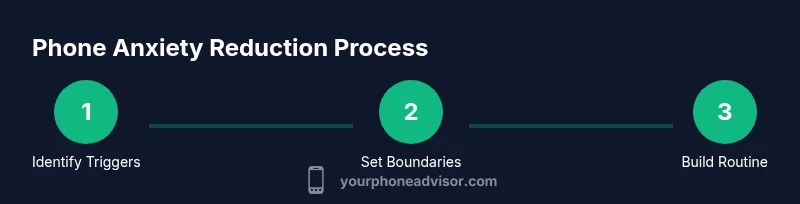
This section previews the structured plan you’ll follow, with progress measured across several weeks. Start by identifying triggers, then implement boundary measures, build a daily routine, and practice grounding techniques during spikes. Regular review and adjustment ensure the plan stays aligned with your needs. The plan emphasizes small, repeatable actions that accumulate into a lasting change, rather than crash-diet style shifts.
Common Pitfalls and How to Avoid Them
Many people overestimate how quickly they can change habits, or they attempt too much at once, leading to burnout. Another common pitfall is relying on willpower alone without structural changes like notification boundaries or a fixed routine. Acknowledge slip-ups as data, not failure, and recommit to a simpler version of the plan. The Your Phone Advisor team recommends anchoring new behaviors to daily routines and seeking support from friends or family when motivation drops.
Tools & Materials
- Notebook or journal(For tracking triggers, feelings, and progress)
- Timer or timer app(Use 5- to 15-minute intervals during grounding or breaks)
- Quiet, comfortable space(A distraction-free area for reflection and planning)
- Pen or pencil(For quick notes and logs)
- Water bottle or light snack(Staying hydrated helps reduce stress responses)
Steps
Estimated time: 4-6 weeks with daily 10-15 minute sessions
- 1
Identify triggers
Notice what events or times of day heighten anxiety (for example, social feeds at noon or after work). Record these triggers in your journal with a brief note about how you felt and what you did next. Use a simple template: trigger, time, feeling, action taken. This creates awareness that drives change.
Tip: Keep a dedicated trigger log accessible on your phone or notebook for quick entries. - 2
Draft a boundary plan
Define a boundary plan that includes when and how you’ll engage with your phone. Set fixed windows for checking messages, and exclude nonessential apps during work or study blocks. Document consequences if boundaries aren’t followed so there is accountability.
Tip: Start with one hour of phone-free time daily and gradually expand as you feel more in control. - 3
Create a routine and schedule
Build a simple daily routine with designated phone usage times. Include a wind-down period before bed that excludes nonessential apps. Consistency is more powerful than intensity—small, repeatable actions compound over weeks.
Tip: Pair the routine with a cue (e.g., after brushing teeth) to reinforce habit formation. - 4
Practice grounding during spikes
When anxiety spikes, pause and apply grounding techniques (5-4-3-2-1, or 4-7-8 breathing). Use a short grounding routine until you feel calmer before resuming phone use. This builds resilience and reduces automatic checking.
Tip: Keep a 1-minute grounding script ready in your notes for quick access. - 5
Review and adjust weekly
Set a weekly check-in to review what worked, what didn’t, and why. Adjust your plan based on real-world experiences rather than theoretical ideals. This keeps the plan practical and scalable.
Tip: Schedule the review on the same day each week to create a reliable accountability loop. - 6
Maintain accountability
Share your plan with a trusted friend or family member who can provide encouragement and accountability. Consider joining a small group focusing on digital wellbeing for mutual support. Accountability helps sustain momentum over time.
Tip: Ask for a quick check-in message mid-week to stay on track.
Got Questions?
What is phone anxiety and how does it differ from normal annoyance?
Phone anxiety is a persistent pattern of worry and compulsive checking related to smartphone use that interferes with daily life. It goes beyond occasional irritation from alerts and can affect sleep, focus, and mood. The guide below provides practical strategies to reduce this anxiety and regain a sense of control.
Phone anxiety is a persistent worry about using your phone that interferes with daily life. The guide provides practical steps to reduce it and feel more in control.
How long does it take to see improvement?
Improvements typically emerge over several weeks with consistent practice. The pace depends on your starting point, the regularity of your routines, and how well you adapt strategies to your daily life.
Improvements usually appear over several weeks with steady practice and adjustments.
Should I disable all notifications or only some?
Start with disabling non-essential notifications and create scheduled windows for checking messages. Gradually adjust as you notice what triggers anxiety and what helps you stay connected.
Begin with turning off non-essential alerts and check messages at set times.
Can I do this if I have to use my phone for work?
Yes. Create a professional-use plan that includes focused periods and clearly defined break times. Use work-friendly modes and boundaries to separate professional from personal use while maintaining needed communication.
Yes. Create a work-focused plan with clear breaks and modes to separate work from personal use.
When should I seek professional help for phone anxiety?
If anxiety worsens, interferes with sleep, or prevents daily functioning despite self-guided strategies, consider consulting a mental health professional. They can offer tailored support and coping strategies.
If anxiety worsens or interrupts daily life, seek professional help.
Watch Video
What to Remember
- Identify triggers and log them daily
- Set clear, realistic boundaries for notifications
- Build a simple, repeatable routine
- Use grounding techniques to calm spikes
- Track progress and adjust weekly