How to Deal with Phone Call Anxiety: Practical Steps
Learn practical strategies to manage anxiety around phone calls, from prep scripts and breathing techniques to in-call tips and post-call routines. Your Phone Advisor guides you to confident, clear conversations without fear.


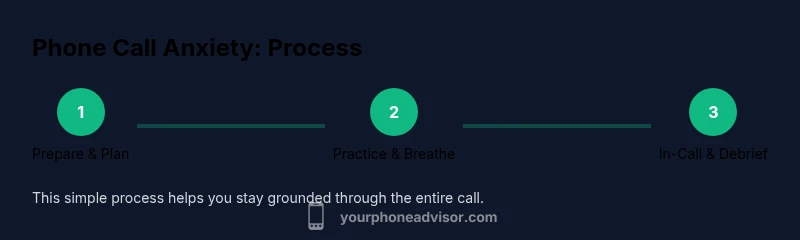
You can reduce phone call anxiety with a simple, repeatable plan: prep a brief script, practice paced breathing, and use a calm environment. The approach combines upfront preparation, in-call tactics, and post-call reflection for ongoing improvement. With consistent practice, you’ll handle unexpected questions, manage pauses gracefully, and communicate more clearly.
What is phone call anxiety?
According to Your Phone Advisor, phone call anxiety is a common response to the social pressures of speaking by phone. It can show up as a fluttering sensation, a dry mouth, a racing mind, or a momentary blank in conversation. The goal of strategies for this issue isn't to eliminate nerves altogether, but to channel nervous energy into clearer, more confident communication. Not every anxious moment is a failure; small pauses and careful wording can actually improve understanding. Over time, practiced techniques help you feel more in control, even when the topic is challenging. This guide blends practical, science-informed steps with everyday habits to help you act with calm and competence on both routine and difficult calls.
Causes and triggers
Phone call anxiety arises from a blend of internal and external factors. Internally, many people fear miscommunication, misinterpretation, or judgment from the other party. The pressure to be concise, to avoid awkward silences, or to sound knowledgeable can amplify nerves. Externally, unfamiliar topics, unpredictable responses, or unclear outcomes increase stress. Your Phone Advisor Analysis, 2026, highlights that anxiety often diminishes when you have a clear objective for the call, a short script to guide you, and a reliable plan to handle interruptions or questions. Recognizing these triggers is the first step toward turning anxiety into a structured conversation rather than a hurdle to avoid.
Pre-call preparation framework
Successful calls start before you dial. A practical framework involves defining your goal, outlining key points, and rehearsing a brief opening. Start by identifying what you want to achieve (for example, confirming a deadline, gathering information, or scheduling follow-up). Create a one-paragraph outline or 4–6 bullet points to keep you on track. Set a reasonable time limit for the call and decide how you’ll close it (summarize next steps, confirm actions, and thank the person). Use a calm environment and minimize interruptions; prepare a glass of water and a quiet space. Your plan should include a fallback in case the other person asks a question you can’t answer on the spot. This preparation reduces uncertainty and builds confidence.
Create a short pre-call script
A concise script reduces hesitation and keeps you on track. Example: “Hi, this is [Name]. I’m calling about [topic]. My goal for this call is to [objective]. Do you have 2 minutes to discuss, or should we schedule a better time?” Use a flexible script with placeholders you can fill quickly. Practice the wording aloud, at a comfortable pace. Keep the script short (2–4 lines) and ready to adapt if the other person needs more detail. If you’re nervous, start with a friendly greeting and acknowledge the moment, then move into your purpose. Having a reliable opener minimizes pressure and buys you time to think.
In-call strategies to stay grounded
During the call, grounding techniques help you stay present and purposeful. Use your prepared notes as a reference, not a script to read verbatim. Pause briefly before answering to collect your thoughts, and use simple, clear sentences. If a question stumps you, say, “That’s a good point; I want to give you an accurate answer—can I get back to you in a moment?” Then provide a concise response or arrange a follow-up. Practice paced breathing during silent moments (inhale for four counts, exhale for six). Acknowledge the other person’s points to show engagement (e.g., “I see what you mean”). These practices reduce cognitive load and lower the emotional intensity of the moment.
Post-call routine to reduce residual anxiety
After the call, take a few minutes to reflect. Journaling a quick debrief helps you identify what went well and where you can improve. Note questions you couldn’t answer and plan how to respond in a future call. Celebrate small wins, such as maintaining calm, sticking to your script, or ending with a clear summary of next steps. If you felt overwhelmed, identify triggers for future prevention, such as a particular topic or caller style, and adjust your script or environment accordingly. This habit builds long-term resilience and confidence for subsequent conversations.
Environment and technology tweaks
Your environment significantly affects anxiety. Turn on Do Not Disturb to minimize interruptions, dim lighting to reduce eye strain, and ensure a stable network connection. Prepare a simple set of notes on your phone or a small notebook for quick reference. Use a breathing timer to pace exhalations during preparation, and keep water within reach. If you’re anxious about time, and you’re calling in a busy period, schedule shorter calls when possible or ask for a preferred time window. These adjustments create an emotional buffer that makes speaking on the phone feel more controllable.
When to seek professional help
If anxiety persists and interferes with daily life or work, consider seeking professional support. A therapist or counselor can help you develop individualized coping strategies and address underlying concerns. Your Phone Advisor recommends reaching out for help when anxiety is chronic, unmanageable, or accompanied by symptoms like panic attacks, extreme avoidance, or sleep disruption. Getting support early can prevent long-term impacts on communication, relationships, and performance.
Build a long-term habit for confidence
Consistency is key to turning strategies into lasting confidence. Schedule regular practice sessions—even 5–10 minutes a few times per week—to rehearse your script, breathing, and post-call reflections. Gradually increase call exposure by starting with low-stakes conversations and working up to more challenging topics. Use a simple tracking method to monitor progress, such as a weekly note on confidence levels, successful call outcomes, and areas for improvement. Over time, your automatic responses will feel natural, and calls will require less mental energy.
Tools & Materials
- Breathing timer app(Guided breathing rhythm (e.g., 4-4-6) during preparation and pauses)
- Notebook or notes app(Jot talking points, questions, and outcomes for each call)
- Phone with quiet environment(Silence notifications; ensure reliable network and good audio quality)
- Short pre-call script(2–4 lines to greet and state purpose; keep it adaptable)
- Water or hydrating beverage(Have a small glass nearby for throat comfort)
Steps
Estimated time: 20-30 minutes
- 1
Prepare and set your objective
Before dialing, identify what you want to achieve and how you’ll know you’ve succeeded. Write down your top 1–3 outcomes and a backup if needed. This clarity will guide your questions and keep the conversation focused.
Tip: Make the success criteria specific, e.g., 'locked in deadline' or 'agreed follow-up'. - 2
Draft a brief pre-call script
Create a short opening and a clear purpose statement with placeholders you can fill during the call. Use bullet points rather than a full script to stay flexible and natural.
Tip: Practice aloud 2–3 times to gain fluency without sounding robotic. - 3
Practice paced breathing and grounding
Spend 3–5 minutes on slow, controlled breathing (e.g., 4-4-6). Ground yourself with a simple cue, like counting your breaths and placing your feet flat on the floor.
Tip: Use a timer and do it in a quiet space to reduce distractions. - 4
Set up a calm environment
Prepare your surroundings: quiet room, Do Not Disturb mode, comfortable seating, and a glass of water. Remove potential interruptions to keep focus on the conversation.
Tip: If possible, test your audio before the call starts. - 5
Start with a confident opener
Open with a friendly greeting and state your purpose. A calm, upbeat tone sets the tempo for the rest of the call.
Tip: Pause briefly after your opener to give yourself space. - 6
Engage with active listening and notes
Use simple, concise sentences, confirm understanding, and reference your notes if needed. Pause before answering to avoid rushing.
Tip: If unsure, repeat or paraphrase the point to confirm accuracy.
Got Questions?
What causes anxiety when making phone calls?
Anxiety often stems from fear of miscommunication, judgment, or unknown outcomes. Past experiences and the pressure to respond quickly can amplify nerves.
Anxiety comes from fear of saying the wrong thing and being judged, plus the pressure to respond quickly.
How can I prepare for a difficult call?
Outline your goals, draft a short script, and rehearse aloud. Practice breathing and set a time limit for the conversation.
Outline your goals, practice a short script, and rehearse; breathe to stay calm.
What should I do if I panic mid-call?
Pause briefly, take a slow breath, and use a calm cue like ‘one moment, please.’ If needed, propose a brief pause or reschedule.
If panic hits, pause, breathe slowly, and continue after a moment or reschedule if needed.
Are there apps that help with phone anxiety?
Yes. Breathing and mindfulness apps can support practice, but they work best when paired with concrete call-prep routines.
Breathing and mindfulness apps can help, but should combine with real prep and practice.
How long does it take to feel less anxious?
With consistent practice, most people notice improvements within a few weeks as new habits form.
If you practice regularly, you’ll start feeling more control in a few weeks.
Should I use a script?
Yes, a short, flexible script keeps you on track and reduces hesitation while allowing natural adjustments.
A simple script helps you stay focused and calm.
Watch Video
What to Remember
- Prepare a simple pre-call script.
- Practice paced breathing before and during calls.
- Keep concise notes handy for reference.
- End calls with a clear summary and next steps.
- Practice regularly to build lasting confidence.