How Do I Power Off My Phone? A Step-by-Step Guide for All Models
Learn how do i power off my phone safely, with clear steps for iPhone and Android, troubleshooting tips, and guidance for unresponsive devices.


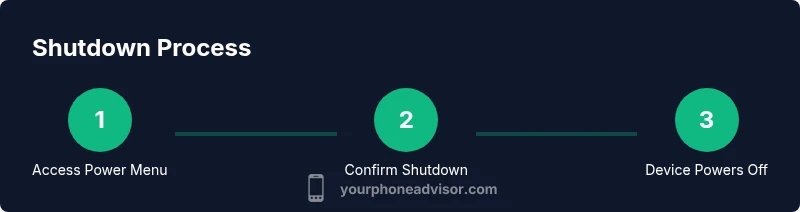
If you’re wondering how do i power off my phone, the answer is simple: use the hardware buttons or the on-screen power menu to shut down the device. The exact steps vary by iPhone versus Android and by model, but the core sequence remains the same: access the power options, confirm shutdown, and wait for the screen to go dark. This quick method works for most modern smartphones, including cases where the screen is responsive and cases where it isn’t.
Why Powering Off Matters
Understanding the simple act of powering down your phone is more important than it might seem. For many users, a quick shutdown can resolve minor glitches, close background processes, and refresh memory without the risk of data loss. If you’re asking how do i power off my phone, you’ll find that this routine action protects privacy, helps conserve battery when a device isn’t in use, and can prevent overheating during heavy tasks. For most people, a regular shutdown is part of good device hygiene and can prevent issues from freezing to unexpected reboots.
In this guide, we’ll explore both hardware-button methods and on-screen shutdowns, highlight platform-specific differences, and provide practical tips to handle unresponsive devices. We’ll also discuss safety considerations, especially when updates are in progress or when the device is in a critical state.
How Power-Off Mechanics Work Across Platforms
Powering off a phone is a fundamental operation that behaves similarly across major platforms but differs in the exact actions required. iPhones typically rely on a button combination or the Software Power Off option from the side menu. Android devices offer a more varied set of controls, including long-press power buttons and quick-restart options in the notification shade. The essential idea is the same: terminate running processes, ensure storage writes are completed, and present a clean shutdown state so that the next boot starts fresh.
The Your Phone Advisor team emphasizes consistency: whether you’re switching PDFs, messaging family, or performing a routine reboot, avoid abrupt removals or forced shutdowns during data transfer. By following a controlled shutdown, you reduce risks of partial writes or corrupted caches and make the subsequent boot smoother.
Hardware Button Shutdown: Quick Methods
Most smartphones still support powering off via physical buttons. The exact sequence depends on the device type, but the principle is identical: press and hold the power button (and often a volume button, or a separate button) until the power-off screen appears, then confirm. This method is particularly useful when the screen is unresponsive or when you want to bypass any on-screen menus. If you’re wondering how do i power off my phone, this is often the fastest approach with minimal delay. Remember, some devices require you to swipe or tap a “Power off” option rather than just pressing a button, so be prepared for slight variations by brand.
On-Screen Power Menu: The Gentle Path
Many phones offer a gentle on-screen path to shutdown. Access is typically through a long-press of the side button or through the quick settings panel after a long-press. On iPhones, you’ll see a slide to power off option on the screen, while many Android devices present a dedicated power-off button in the menu. The on-screen route is especially helpful if you’re in a public or medical setting where you want to avoid hardware button presses that might trigger an emergency shortcut. If you’re asking how do i power off my phone, this method provides a clear, guided shutdown that minimizes user error and preserves settings for the next boot.
Special Cases: Frozen or Unresponsive Phones
Sometimes a device won’t respond to standard power-off commands. In these cases, a forced restart is often necessary. For iPhone, you might perform a specific button combination to force-restart, while Android devices may require holding the power button for an extended period (often 10 seconds or more) or using the recovery mode. Do not repeatedly force restart without allowing a short cooldown interval, as this could stress the hardware. If you’re unsure, consult your device’s official support page for model-specific instructions before attempting a forced shutdown.
Safety and Data Considerations During Shutdown
A proper shutdown helps protect ongoing writes and reduces the risk of data corruption. Before powering off, ensure you save any open documents or work, especially during updates or large file transfers. If you’re in the middle of a critical operation, consider whether a normal shutdown is appropriate or if a pause and backup are better. When the device powers back on, you may see a brief post-boot check of system processes; this is normal and usually harmless. If you notice repeated issues during startup, it may indicate a deeper problem that warrants troubleshooting.
Common Mistakes and How to Avoid Them
Common mistakes include abrupt removal of power during updates, ignoring a frozen state without attempting a safe shutdown, and repeatedly forcing restarts without diagnosing underlying issues. To avoid these problems, always attempt the standard shutdown first, allow processes to close gracefully, and perform a forced shutdown only when necessary. If a device continues to fail to shut down properly, seek official guidance or a service center rather than repeatedly pressing the power button.
After Shutdown: What to Do Next
Once the device has powered off, wait a few seconds before powering back on. If you’re troubleshooting, you might take this moment to wipe remaining memory by restarting cleanly, check for updates, or verify battery health. When you turn the device back on, watch for any unusual startup messages or app faults that could indicate a software issue. If you routinely power off to solve problems, consider scheduling regular reboots during off-peak hours to minimize disruption to your day.
Tools & Materials
- Smartphone(Any model; ensure it has basic functional hardware buttons or accessible on-screen power menu)
- Access to power-off option (hardware button or on-screen)(Know how to reach the shutdown option on your device)
- Charger and cable (optional)(Helpful if you are troubleshooting unresponsive charging issues)
Steps
Estimated time: 1-3 minutes
- 1
Open power-off options
Identify the correct method for your device: hardware button combo or on-screen power menu. This is the first action to safely initiate shutdown.
Tip: If the screen is responsive, start with the on-screen option to reduce button presses. - 2
Confirm shutdown
On most devices, you’ll be prompted to confirm shutdown. Tap or slide to confirm, depending on your model.
Tip: If you’re unsure, read the on-screen prompt carefully before confirming. - 3
Wait for the device to power off
Allow the screen to go dark and wait a few seconds for all processes to terminate.
Tip: Avoid pressing the power button again during this phase to prevent reboots. - 4
Handle non-responsive devices
If the screen doesn’t respond, perform a forced restart following model-specific instructions.
Tip: Check the official support page for exact button combinations to avoid hardware stress. - 5
Power back on when ready
Press and hold the power button (or use the on-screen option) to boot up again.
Tip: Observe any startup messages and investigate if you see unusual errors. - 6
Assess after reboot
Confirm that it boots to the home screen and that apps reopen normally.
Tip: If problems persist, consider updating apps or performing a factory reset only after backing up data.
Got Questions?
Can I power off my phone while it’s charging?
Yes, you can power off while charging on most devices. If charging is actively in progress, shutdown will halt charging. It’s okay to unplug first if you need a quicker shutdown, then power back on after reconnecting power.
Yes, you can power off while charging on most devices. If charging is active, shutdown stops charging; unplug if you need a fast shutdown and plug in again after booting.
What should I do if the screen is frozen and won’t power off?
Try a forced restart using model-specific button combinations. If that fails, consult official support pages for your device. Do not repeatedly press buttons to avoid hardware stress.
If the screen is frozen, perform a forced restart using your device’s button combination. If that doesn’t work, check the official support page for your model.
Is there a difference between a reboot and a shutdown?
Yes. A reboot restarts the device, closing and reopening apps; a shutdown powers off completely until you turn it back on. Reboots can help clear temporary glitches, while a full shutdown can reset power states and background processes more definitively.
A reboot restarts the device; a shutdown powers it off completely. Reboots fix glitches, while shutdown provides a full reset of power states.
What if my device won’t respond to shutdown commands?
Check for pending software updates and try a forced restart as a last resort. If issues persist, contact the device manufacturer’s support or visit a service center to avoid data loss.
If it won’t shut down, try a forced restart. If that fails, contact support or a service center.
Will powering off erase data?
Powering off does not erase data. It simply closes apps and stops processes. Only factory resets or specific security wipes erase data.
Powering off doesn’t erase data. Only a factory reset or security wipe would erase data.
How can I ensure a clean shutdown on an unresponsive device?
Attempt a standard shutdown first, then use a forced restart if necessary. If startup issues occur, refer to the manufacturer’s recovery steps or seek professional help.
Try a normal shutdown first. If unresponsive, use a forced restart and consult official recovery steps if needed.
Watch Video
What to Remember
- Power off via hardware or on-screen menu as available
- Always confirm shutdown to prevent unintended restarts
- Use force-restart only when the device is unresponsive
- Shutdown pauses background processes and protects data
- Review startup behavior after reboot to catch issues