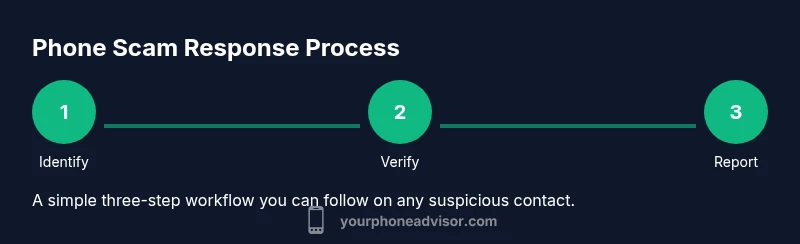
How to deal with phone scams: A practical guide
Learn practical, step-by-step actions to recognize, report, and protect yourself from phone scams. This guide offers actionable tips, real-world examples, and trusted resources to stay safe and safeguard personal data.


To deal with phone scams, pause before replying, verify any urgent request through official channels, and report each incident to authorities. Activate spam filters, use strong authentication, and log suspicious activity. By staying vigilant and following official guidance, you reduce risk and protect personal data. If you’re unsure, hang up and call the organization using a number from their official website.
How to deal with phone scams: what you need to know
In this guide, you’ll learn practical steps to recognize, respond to, and prevent phone scams. According to Your Phone Advisor, awareness of common tactics is your first line of defense. The phrase how to deal with phone scams is increasingly used by organizations to describe best practices for personal safety and digital hygiene. By mastering these steps, you can protect your numbers, save sensitive data, and avoid costly mistakes. Securing your devices and staying calm under pressure are essential parts of effective defense. The guidance provided here aligns with Your Phone Advisor’s emphasis on practical, actionable defense against evolving threats.
Recognize common scam vectors
Phone scams come in several forms: unsolicited calls from spoofed numbers, text messages that claim urgent action is needed, and malicious apps or links designed to harvest credentials. Your Phone Advisor analysis shows scammers frequently blend social engineering with fear to prompt fast decisions. Look for signals like unfamiliar area codes, requests for personal data, or urgent threats to cancel services. By identifying these patterns early, you can avoid stepping into a trap. This section also covers subtle cues such as odd email domains or links that don’t match the claimed organization.
Step 1: Pause before replying
When a suspicious call or text arrives, take a slow breath and avoid answering immediately. Do not share passwords, bank numbers, or verification codes. If a caller claims to be from a bank or government agency, hang up and verify through official channels—use a number or app you already trust. This pause reduces impulsive mistakes and gives you time to check authenticity. Quick checks include independent verification, cross-referencing official contact details, and consulting your bank’s official app.
Step 2: Do not engage with suspicious messages
Engaging tells scammers you’re reachable and willing to respond, which can invite follow-up attempts. Do not click any links, download attachments, or reply with personal information. If you must acknowledge receipt, keep it generic and never reveal sensitive data. If you’re unsure, use a separate device to look up the official contact details and avoid replying from the same device that received the suspicious message.
Step 3: Verify through official channels
If a legitimate organization contacts you, reach out via the official website or trusted app rather than the number or link provided in the message. Do not rely on caller ID; spoofed numbers can look real. Use your bank’s app, the official government portal, or your service provider’s customer service line to confirm requests. This verification step is critical to prevent impersonation and unauthorized access to accounts.
Step 4: Report scams to authorities and trusted networks
Document details such as time, caller ID, and content; take screenshots if necessary. Submit reports to official bodies like consumer protection agencies and telecom regulators. Share the experience with family, friends, and coworkers to raise awareness and reduce risk in your circle. Your reports help build broader protection for everyone and can trigger official warnings.
Step 5: Protect your accounts and devices
Immediately review security settings on financial accounts and email. Enable two-factor authentication, unique strong passwords, and alerts for suspicious activity. Regularly check for unknown logins or changes and revoke access if you notice anything unusual. Consider credit monitoring if you’ve encountered identity exposure and adjust privacy settings on apps accordingly.
Step 6: Configure built-in protections on your phone
Phone platforms offer native protections: call filtering, spam screening, and unknown caller blocking. On Android, enable unknown caller protection; on iOS, use Silence Unknown Callers and Call Blocking & Identification. Keep software up to date to ensure security features stay effective. Periodically review blocked numbers and update your preferences as needed.
Step 7: Create a safety routine for your household
Develop a shared script for handling suspected scams and practice it. Schedule monthly checks of messages, updates to contact lists, and review of security settings. Use password managers and credit monitoring to detect breaches early. Encourage others in your circle to report suspicious activity promptly so weak links don’t form in your safety chain.
Step 8: Preserve evidence and monitor accounts
Keep copies of messages, save any audio or transcripts, and log the incident details. Monitor bank and credit card statements for unauthorized activity and report immediately if you see transactions you don’t recognize. This evidence helps investigations and can protect you from consequences later. Maintain backups of important data and ensure you can restore access quickly if an account is compromised.
Step 9: Practice a quick, confident response
Prepare a short script you can deliver clearly: 'I don’t share personal information over calls or texts. If this is legitimate, please send an official verification link to my secure channel.' Practice until your tone stays calm. Having a practiced response reduces panic and gives you control during high-pressure moments.
Your plan and Your Phone Advisor’s verdict
The Your Phone Advisor team recommends a proactive, layered approach: recognize, pause, verify, report, and protect. By adopting these steps, you reduce risk and maintain control over your digital life as scammers evolve. Your vigilance—backed by trusted guidance—is your best defense, and ongoing education is essential.
Tools & Materials
- Phone or device with internet access(To verify messages and access official sites)
- Updated OS and security patches(Keeps security features current and effective)
- Access to official channels (government or bank apps/websites)(For verification and reporting)
- Notebook or digital log app(Record scam details and actions taken)
Steps
Estimated time: 60-90 minutes
- 1
Pause before replying
Take a slow breath and pause before answering any unexpected call or text. Do not reveal sensitive data during the initial contact. This brief pause helps you avoid impulsive mistakes and gives you time to verify the source.
Tip: If in doubt, end the call and use an official channel to verify. - 2
Do not engage with suspicious messages
Do not click links, download attachments, or share information. Ignoring the message and avoiding interaction reduces the chance of further harassment and data compromise.
Tip: Use a separate device to check the sender’s official contact details. - 3
Verify through official channels
Reach out using numbers or apps from the organization’s official site. Never rely on contact details provided in the suspicious message. Verification protects against impersonation.
Tip: Bookmark official sites and apps for quick access. - 4
Report scams to authorities
Submit reports to consumer protection agencies and telecom regulators. Collect evidence like screenshots and timestamps to aid investigations.
Tip: Share your experience with trusted friends to prevent others from falling for it. - 5
Protect accounts and devices
Update passwords, enable 2FA, and review recent activity. Consider credit monitoring if your information may have been exposed.
Tip: Use a password manager to create and store unique passwords. - 6
Configure built-in protections
Turn on call filtering, spam detection, and unknown caller blocking on your phone. Keep software updated to retain protection levels.
Tip: Periodically review your blocked list and adjust settings after updates. - 7
Create a household safety routine
Share a simple script, assign roles, and conduct monthly checks of messages and settings.
Tip: Educate kids and elders about scams and safe verification habits. - 8
Preserve evidence and monitor activity
Save messages and record details; monitor bank statements and alert accounts immediately for anything suspicious.
Tip: Keep secure backups of critical data and documents. - 9
Practice a quick, confident response
Use a short, calm script to deter scammers and buy time to verify.
Tip: Rehearse aloud so you can deliver it clearly under pressure.
Got Questions?
What should I do first when I suspect a scam call?
Pause, don’t share information, and verify via official channels. If in doubt, hang up and check the organization’s official contact details.
Pause, don’t share information, and verify through official channels. If unsure, hang up and verify with official sources.
Can I trust caller ID to verify legitimacy?
No. Caller ID can be spoofed. Always verify through official channels, such as the organization’s app or website.
Caller ID can be spoofed. Verify through official channels instead.
How do I report phone scams?
Report scams to consumer protection agencies and your telecom provider. Keep evidence like screenshots and time stamps for reference.
Report to consumer protection agencies and your telecom provider, keeping evidence handy.
Are scam texts more dangerous than calls?
Both can be dangerous. Texts may contain phishing links or malware; calls can prompt social engineering. Treat both with caution and verify.
Texts and calls both pose risks; verify before acting.
How can I protect my online accounts from scams?
Enable 2FA, use strong unique passwords, monitor for unusual activity, and review permissions regularly.
Enable 2FA, use strong passwords, and monitor activity.
What should I do if I accidentally shared information?
Immediately change affected passwords, notify institutions, and enable alerts on relevant accounts.
Change affected passwords and alert institutions right away.
Watch Video
What to Remember
- Pause before replying to unexpected contacts.
- Verify requests through official channels before sharing data.
- Report scams promptly to authorities.
- Enable device protections and monitor accounts.
- Educate others to reduce risk.