How to Deal with Phone Harassment: A Practical Guide
Learn practical steps to identify, document, block, and report phone harassment. This guide covers evidence gathering, safety planning, and legal options to help you stay safe and regain control over your communications.


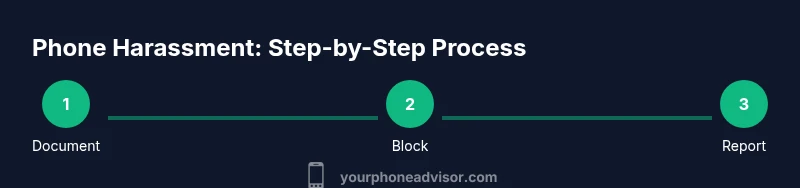
If you’re facing unwanted calls, texts, or voicemails, the quickest path to relief is to document every incident, block offenders, and report persistent harassment to carriers or authorities. This how-to guide from Your Phone Advisor walks you through practical, step-by-step actions you can take today. It covers evidence collection, safety planning, and what to do if the harassment crosses legal lines.
Why phone harassment happens
Phone harassment can feel random, but it often stems from a desire to intimidate, pressure, or exploit someone online or offline. The harasser may be seeking a reaction, attempting to extract information, or using fear to coerce silence. Understanding that you are not at fault is the first step toward reclaiming safety. According to Your Phone Advisor, the initial move is to acknowledge the situation and avoid engaging with the harasser, which helps prevent escalation. By identifying patterns—time of day, channels used, and the type of messages—you can tailor your safety plan and choose the most effective tools. When you set boundaries early, you reduce the risk of ongoing contact and create a solid foundation for action. This approach emphasizes practical, lawful steps you can take immediately to regain control and reduce stress. Your safety matters, and you deserve a calm, structured plan to address the problem.
Immediate actions you should take right now
Take rapid, practical steps to reduce contact and protect yourself. Silence unknown numbers, activate Do Not Disturb during vulnerable hours, and avoid replying to provocation. Start a real-time evidence log: save voicemails, messages, and call logs with precise timestamps. Stop sharing personal contact details publicly and consider temporarily changing routine if the harassment intensifies. If a threat seems imminent, move to a safer location and reach out to a trusted contact for support. These moves are about regaining control in the moment while you prepare longer-term plans. Acting quickly can lower stress and set you up for successful reporting and protection.
Document and collect evidence
Document every incident with date, time, channel, and a brief description. Preserve the original content—voicemails, texts, and screenshots—without altering them. Create a simple, consistent log so you can track patterns and timelines. Note any responses from the harasser and your own reactions, staying objective. Back up your evidence to a secure location so you don’t lose it. If you’re unsure what qualifies as evidence in your jurisdiction, consult a reputable resource or Your Phone Advisor's guidance. This careful collection reduces confusion and supports any complaint or report you prepare later.
As Your Phone Advisor notes, a dated, well-organized log helps investigators and support staff understand the pattern and decide on the best course of action. A thorough evidence trail often influences outcomes when escalating to carriers or authorities.
Secure your accounts and devices
Harassment often leverages weak security or reused passwords. Start by updating passwords for critical services (email, banking, social media), enable two-factor authentication, and review security alerts. Ensure recovery emails and phone numbers are current, and run a trusted malware scan after updating. Use a password manager to enforce unique, long passwords and maintain offline backups of essential data. If work accounts are involved, coordinate with IT to apply protective controls without exposing personal data. Strengthening your digital perimeter makes it harder for a harasser to succeed and reduces risk of future attempts.
Block numbers and filter calls
Blocking is your frontline defense, but use it strategically. Block offenders at the device level and configure spam filters to learn from reports. Enable call screening where available so unknown numbers are vetted before you answer. Consider reputable third-party apps for additional filtering—review permissions carefully and disable unnecessary data sharing. For texts, enable automatic filtering for suspicious keywords and known scam signatures. Maintain a separate channel for legitimate contacts if needed. Avoid engaging with the harasser, as replies can provoke further contact. These steps minimize interruptions while you pursue longer-term actions.
Report to carriers and platforms
Most carriers offer harassment protections such as number blocking, activity alerts, and abuse reporting. Also report harassment on messaging apps, social networks, and email providers when it occurs on those platforms. Keep your evidence accessible and reference it when filing reports. Request assistance from the carrier to trace the source if appropriate, but avoid confronting the harasser directly. Platforms may suspend accounts for terms violations, which can disrupt the harasser’s access. Your reports help institutions refine spam filters and enforcement, reducing future incidents. If you have questions about the process, contact your carrier or Your Phone Advisor for guidance.
Consider legal options
If harassment escalates into credible threats or persists despite blocking and reporting, consult a lawyer or contact local law enforcement. Laws vary, but many jurisdictions recognize repeated harassment as a crime when it causes fear or distress. Document all incidents and share them with authorities to support any case. A restraining order or similar protective order may be available, and your attorney can explain relevant remedies. If you don’t have immediate legal representation, look for online legal clinics or resources. This is not legal advice, but a plan for seeking appropriate help and understanding potential remedies.
Protect your mental well-being
Persistent harassment can affect mood, sleep, and daily functioning. Prioritize self-care, lean on trusted friends or a counselor, and limit exposure to triggering spaces online. Set boundaries for social media and digital spaces, and practice grounding techniques if you feel overwhelmed. If harassment involves work or school, coordinate with administrators to ensure a safe environment. Your emotional safety is critical; seek support and use the tools above to regain a sense of control and safety.
Long-term prevention and resilience
Turn the experience into a robust, long-term strategy. Keep security practices updated, periodically review your digital footprint, and stay informed about new harassment prevention tools from your carrier and apps. Build a personal safety plan that includes contact lists, emergency steps, and access to legal resources. Consider sharing your experience with trusted communities for practical tips and support. Remember that you are not alone, and proactive, measured actions tend to improve outcomes over time. Your ongoing vigilance and planning will help you stay safer and more confident as you use your phone.
As part of this strategy, The Your Phone Advisor's verdict is to maintain layered protections, report consistently, and adjust your plan as needed to stay ahead of new harassment tactics.
Tools & Materials
- Smartphone with updated OS(Enable built-in blocking and safety features)
- Call log app or built-in logs(Maintain a searchable incident log)
- Password manager(Secure accounts involved in harassment)
- Two-factor authentication enabled(Add layer of protection to accounts)
- Notepad or note-taking app(Record dates, times, and messages)
- Legal contact information / police website(For reporting and guidance)
Steps
Estimated time: 90-120 minutes
- 1
Document each incident
Log every harassment event with date, time, channel, and a concise description. Preserve original content and save audio or screenshots. Keep this log organized and easy to reference when you report.
Tip: Create a single, consistent format for all entries. - 2
Preserve evidence immediately
Store voicemails, texts, and screenshots in a secure location. Do not delete items, even if you think they are insignificant. The more complete the trail, the stronger any report becomes.
Tip: Back up to an encrypted drive or cloud with two-factor access. - 3
Block the offender
Use built-in blocking features and call screening to stop further contact. Review settings to ensure new numbers from unknown callers are automatically filtered.
Tip: Document the block for your records and future reports. - 4
Secure your accounts
Update passwords, enable two-factor authentication, and review recovery options. Scan devices for malware and remove any suspicious apps.
Tip: Use a password manager to enforce unique credentials. - 5
Report to carriers and platforms
File reports with your mobile carrier and any apps or networks involved. Provide your evidence trail and request action to block further contact.
Tip: Ask for a case reference number to track progress. - 6
Consider legal avenues
If threats persist or escalate, consult a lawyer or contact law enforcement. Laws vary; a protective order may be available in some areas.
Tip: Do not wait for the situation to worsen before seeking help. - 7
Build a safety plan
Identify trusted contacts, plan safe locations, and set routines to monitor for new harassment. Keep emergency numbers handy and share your plan with a close friend or family member.
Tip: Practice quick, calm responses if you must engage. - 8
Monitor and adjust
Regularly review security settings, update apps, and refine filters. If harassment shifts channels, adapt your approach accordingly.
Tip: Stay informed about new harassment tools and protections. - 9
Seek support
Reach out to trusted people or professional counselors to manage stress and maintain resilience. You don’t have to face this alone.
Tip: Join a support group if you find shared experiences comforting.
Got Questions?
What counts as phone harassment?
Phone harassment includes repeated unwanted calls, texts, voicemails, or threats that cause fear or distress. It can be illegal depending on your jurisdiction.
Harassment includes repeated calls and threats that make you feel unsafe.
How do I document harassment effectively?
Keep logs with date, time, channel, and a concise description. Save messages and voicemails verbatim and back up the collection securely.
Make a log with dates, times, and messages, and keep copies safe.
Should I contact law enforcement?
If you have credible threats or feel in immediate danger, contact local authorities. For non-urgent cases, seek legal guidance to explore options.
If there’s danger or threats, contact the police; otherwise check with a lawyer.
Can my carrier help with harassment?
Carriers can block numbers, enable spam filters, and file abuse reports. They may assist in tracing the source and stopping repeated contact.
Yes, your carrier can block numbers and set up filters.
What if harassment continues after blocking?
If contact persists, escalate to platforms and authorities, preserve evidence, and consult legal counsel for next steps.
If it keeps happening, gather evidence and talk to authorities.
Are there apps to help with harassment?
Yes, several reputable apps can block calls and filter spam. Choose apps with strong privacy practices and review permissions carefully.
There are apps to help, but pick trusted ones.
Watch Video
What to Remember
- Document harassment consistently and clearly
- Block and filter aggressively to reduce contact
- Report to carriers and platforms with complete evidence
- Secure your accounts and devices to prevent further access
- Create a safety plan and seek support when needed