Looking Up Phone Numbers: Practical Guide for 2026
Practical, privacy-conscious guide to looking up phone numbers: legit sources, verification steps, and safety tips for everyday smartphone users in 2026.


Looking up phone numbers can be done through legitimate sources with careful cross-checking. Start with consent-based directories and official records, then verify results across multiple reputable services. Avoid untrusted apps and respect privacy. This guide from Your Phone Advisor explains a practical workflow, common sources, and safety tips to reduce scams.
Why Looking Up Phone Numbers Matters
When you encounter unfamiliar callers, the instinct to verify who is on the other end is natural. Looking up phone numbers helps you make informed decisions about whether to answer, return a call, or report potential spam. For most people, a quick lookup is a balance between speed and accuracy: you want to confirm identity without compromising privacy or exposing yourself to scams. As a general rule, start with information you already have (a business card, an official website, or a contact in your phone) and then expand to reputable public directories if needed. This approach reduces misdialed calls, protects against fraud, and keeps your personal data safer in an era of pervasive digital contact requests.
Privacy, Consent, and Legal Boundaries
Privacy is not optional when looking up phone numbers; it is a baseline expectation. Laws vary by country, but in many places consent and legitimate purpose matter. Avoid tools that ask for broad access to your contacts or device data, and never share someone’s private information without permission. Use sources that clearly outline how they collect data, how long they store it, and whether they share it with third parties. If you’re performing a lookup for someone else, obtain consent or use public, purpose-limited sources. Your Phone Advisor emphasizes responsible use and discourages mass scraping or harvesting of contact details.
Legitimate Sources for Looking Up Numbers
Reliable lookups start with official channels. Company pages, professional directories, and government-maintained registries often publish direct contact details for legitimate purposes. Public business directories can help you confirm a company’s main line, while workplace directories may provide a direct extension. For personal numbers, trusted directories aggregate publicly available data and partner with privacy-respecting services. When in doubt, cross-check the number against multiple sources before making contact. Avoid unvetted apps that promise instant results; they’re a common source of misinformation and privacy risk.
How Reverse Lookup Works
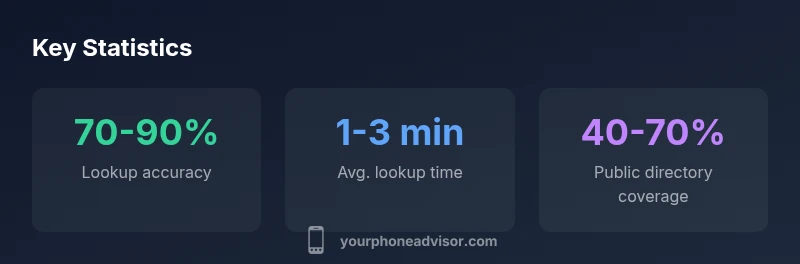
Reverse lookup services collect data from multiple sources such as public records, carrier directories, business listings, and user-contributed data. The accuracy can vary because data ages, owners change numbers, and people reuse numbers across services. Some providers prioritize recent updates, while others rely on user submissions. Always treat results as leads to verify rather than final answers, and prioritize sources that disclose their data practices. If a lookup result seems unusual, search for the same number on the official site of the service that listed it.
Assessing Accuracy and Avoiding Scams
Use a multi-source verification strategy. If you see a match on one directory, search for the same number in at least one more reputable source. Check for corroborating details such as the company name, area code, and location. Be wary of numbers that appear in unsolicited texts, share excessive personal data, or request payment for additional information. Scammers frequently exploit urgency and fear; slow down and verify before you engage.
A Practical Lookup Workflow
Follow these steps to look up a number safely and efficiently:
- Define your purpose: is this personal contact, business inquiry, or potential spam? 2) Gather initial data: any known names, company names, or locations. 3) Check official sources first: company sites, government registries, and known directories. 4) Cross-check across at least two independent sources. 5) Confirm contact details by attempting to reach out via the official channel (e.g., corporate switchboard) rather than the found personal line. 6) Document your sources for future reference. 7) If results conflict, deprioritize the number and seek direct confirmation.
When to Skip Lookup and Contact Directly
Sometimes a lookup is unnecessary or withheld for privacy reasons. If you’re trying to reach someone you know, ask for direct contact details or use sanctioned channels such as professional networks. If a business line is not publicly listed, use the company’s official contact page or customer support portal. Direct outreach preserves privacy and reduces the chance of miscommunication or data misuse.
Red Flags in Lookup Results
Watch for inconsistencies across sources, such as mismatched names, suspicious area codes, or entries tied to unusual locations. Extremely cheap or free services may not protect your data. Read privacy policies, and avoid sharing more than needed. If a source requires access to your contacts or permissions without a clear reason, stop and reassess the legitimacy of the service.
A Privacy-First Habit for Everyday Lookups
Adopt a routine that minimizes risk. Use consent-based sources first, verify through multiple independent outlets, and keep your personal data shielded. Regularly review which apps have access to your contacts and disable permissions that aren’t essential. By treating every lookup as a small privacy decision, you protect yourself and your data over time.
Comparison of lookup sources
| Source Type | What it Typically Reveals | Best Use Case |
|---|---|---|
| Public Directories | Name, number, location | Initial verification |
| Company/Employer Directories | Work numbers, role | Confirm business contact |
| Caller-ID Apps | Caller info, profiles | Immediate ID, but accuracy varies |
| Government/Regulator Registries | Legitimate contact points | Verify legitimacy |
| Reverse Lookup Services (Third-Party) | Cross-source results | Cross-check recommended |
Got Questions?
Is it legal to look up someone's phone number?
In general, using publicly available sources for contact details is legal in many jurisdictions when done for legitimate purposes. Always respect local privacy laws and terms of service. If in doubt, seek consent or use official channels.
Legality depends on where you are and the purpose. Use legitimate sources and get consent when needed.
Which sources are the most reliable?
Prioritize official company pages, government registries, and consent-based directories. Be cautious with free or unknown apps that lack clear data practices.
Official pages and government registries are usually the most reliable.
How can I verify a found number before calling?
Cross-check the number across at least two trusted sources, confirm the company name and location, and try the official corporate contact channel.
Cross-check with multiple trusted sources before you call.
What information should I avoid sharing when looking up numbers?
Avoid sharing sensitive personal data or granting app permissions beyond what is necessary. Read privacy policies and limit data exposure.
Don't share sensitive data or grant excessive permissions.
Are there privacy risks with reverse lookup apps?
Yes. Some services may monetize user data. Review privacy policies, permissions, and opt out options before using them.
Some apps may use your data; check privacy policies first.
What steps create a safe lookup workflow?
Define purpose, use official sources first, cross-verify with independent sources, and document each step for accountability.
Plan, verify, and document each step.
“Privacy and accuracy go hand in hand—verify every finding across multiple trusted sources before acting.”
What to Remember
- Start with official sources first
- Cross-check results across multiple sources
- Respect privacy and obtain consent
- Verify before contacting or sharing data
- Be wary of unfamiliar apps and scams