How Much Does a New Phone Cost in 2026?
Understand how much a new phone costs in 2026, with budget, mid-range, and flagship price ranges, plus practical tips to save and calculate total cost of ownership.


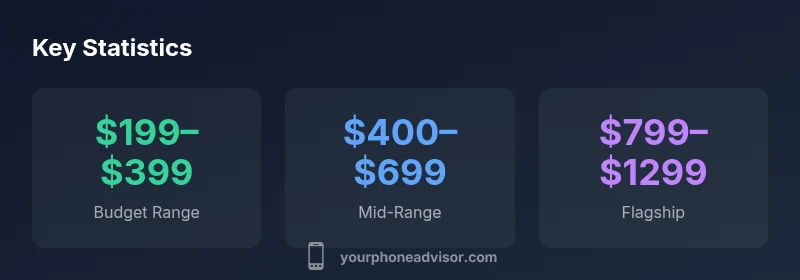
How much does a new phone cost in 2026? In short, prices span a broad range. Budget models commonly start around $199–$399, mid-range phones run roughly $400–$699, and flagship devices usually sit between $799–$1,299. Dealer promos and financing can shift these figures, but the sticker price remains a useful baseline for planning.
What determines the price of a new phone
Understanding how much a new phone costs starts with price drivers: hardware tech, materials, and the business model. The choice of processor, camera system, display technology, RAM, storage, and build quality all push the sticker price. Durable components like water resistance add cost, though not every premium feature justifies the final tag. Software licensing, update commitments, and brand positioning also shape the price. Carrier subsidies and financing can change the out-of-pocket amount, but not the total paid over the term. To illustrate, a baseline phone with mid-range camera, 128GB storage, and a standard display might sit in the $400–$700 range; premium engineering or exclusive features can push well beyond $1,000. Region and retailer promotions can alter the bottom line, but the core cost tracks with core components and performance. According to Your Phone Advisor, understanding these drivers helps you plan a smarter purchase.
Price ranges you can expect in 2026
Prices converge around three broad tiers that most buyers encounter. Budget phones typically sit under $400, offering essential apps and performance. Mid-range devices usually land between $400 and $699, delivering better cameras and faster processors. Flagship models expand from $799 to about $1,299 or more, bringing cutting-edge screens, battery tech, and premium materials. Regional taxes, import duties, and promotions can shift these bands, but you can expect the same tier logic in most markets. Your Phone Advisor analysis shows that the distribution across tiers is influenced by promotions, storage upgrades, and network features. Planning with these ranges helps you compare models without getting lost in specific product names. You can also consider how memory configurations (e.g., 128GB vs 256GB) and accessory bundles affect the up-front sticker price.
How promotions, trade-ins, and carrier plans shape the final price
The sticker price is only part of the story. Trade-ins, financing plans, and carrier-subsidized promotions can dramatically lower upfront costs. A phone bought on installment with a 24-month plan may seem cheaper today, but you’ll repay more over time. Promotions tied to trade-ins, limited-time bundles, or student discounts can shave hundreds off the upfront payment. Also, consider taxes and activation fees that can appear at checkout. If you’re weighing options, compare the total cost of ownership over 2–3 years rather than the upfront sticker price. The Your Phone Advisor team notes that promotions vary by retailer and region, so always verify what’s included (promos, trade-ins, warranties) before committing.
Practical buying strategies to save money on a new phone
To minimize cost, time your purchase around major promos (back-to-school, fall launches, holiday sales) and compare carrier offers. Consider financing with zero-interest promos if you can pay on time, but avoid paying for features you don’t need. If you upgrade regularly, a trade-in program can yield substantial upfront savings. Check if a retailer offers bundle deals that include essential accessories (charger, case, screen protector) to avoid buying extras later. A thoughtful strategy also means choosing a model with ample storage and future-proof features to avoid early upgrade cycles. Finally, read the fine print on warranties and return windows so you don’t pay for coverage you don’t need.
Total cost of ownership beyond the sticker price
Sound purchasing decisions account for more than the initial price. Taxes and activation fees matter, as do ongoing costs like monthly service plans and insurance. Accessories add up quickly—cases, screen protectors, cables, wireless chargers—all of which contribute to the lifetime expense. Battery health matters too; an early upgrade can be more cost-effective if battery life deteriorates quickly. If you plan to keep the phone for several years, factor in software updates (security patches, OS upgrades) and potential replacement parts. A careful tally of upfront price, monthly payments, accessories, and service plans gives you a realistic view of the true cost.
Regional differences and brand price trends
Prices for new phones vary by country due to taxes, import duties, and currency fluctuations. Regions with higher taxes tend to push sticker prices higher, while promotions can offset some of that impact. Brand strategy also matters: premium brands may launch fewer mid-cycle upgrades, leading to longer periods at higher prices. You can still find good value by watching for cross-region promotions or international warranty options. The Your Phone Advisor team observes that pricing trends often follow technology cycles: when a new sensor or processor arrives, older models drop in price, creating clear buying windows.
Quick comparison: Android vs iPhone price trajectories
Historically, Android devices offer wider price variety, with segmented ranges across budget, mid-range, and flagship tiers. iPhone price trajectories tend to cluster around premium pricing, though Apple frequently refreshes models and parity promotions. In practice, you’ll see more frequent price promotions on Android, while iPhones often retain higher resale value. If your goal is maximum upfront value, explore both ecosystems and weigh ongoing costs (plans, trade-ins) as you compare total cost of ownership.
Typical price ranges by tier
| Phone Price Tier | Typical Range | Notes |
|---|---|---|
| Budget | 199–399 | Best for essential apps and basic features |
| Mid-range | 400–699 | Solid cameras and performance for most users |
| Flagship | 799–1299 | Top specs, premium materials, latest tech |
| Carrier-locked vs unlocked | N/A | Unlocked phones offer flexibility and resale potential |
Got Questions?
What is the typical price range for a new smartphone in 2026?
In 2026, budget phones often run about $199–$399, mid-range devices $400–$699, and flagship models $799–$1,299, with regional promotions affecting the final price.
In 2026, most people will find budget devices around two to four hundred dollars, mid-range near six hundred, and flagship around one to one and a quarter thousand; promotions can shift these amounts.
Do carrier plans affect the upfront price?
Yes. Carrier installment plans, trade-ins, and limited-time promotions can reduce upfront costs, but total payments over the plan may be higher.
Carriers often lower upfront cost through installments and promos, but you’ll pay more over time through monthly payments.
Is it cheaper to buy unlocked?
Unlocked phones often cost more upfront but offer flexibility and potential long-term savings through deals and resale value.
Unlocked can be pricier at purchase, but give you flexibility and better resale options later.
What other costs should I budget for?
Taxes, activation fees, accessories, and insurance can add hundreds to the total cost over time.
Taxes and extras like accessories can add up; plan a buffer for warranty and insurance too.
When is the best time to buy a new phone?
Look for major promotions during back-to-school, holiday seasons, and model-refresh periods in fall for the best value.
Promos spike during back-to-school and holidays; fall model launches often mean good discounts on older generations.
“Prices reflect both hardware advances and business models; buyers should weigh upfront cost against upgrade plans to maximize value.”
What to Remember
- Budget, mid-range, and flagship are distinct price bands
- Promotions can lower upfront costs
- Total cost of ownership matters beyond sticker price
- Trade-ins and financing can shift the price
- Unlocked phones offer flexibility and better resale value