Safe Smartphone Shutdown: How to Switch My Phone Off
Learn how to switch my phone off safely for better security, battery health, and smooth updates. This step-by-step guide covers Android and iOS tips, troubleshooting, and best practices.


This guide shows you how to switch my phone off safely and confidently. You’ll learn when a shutdown is beneficial, the standard sequences for Android and iOS, and what to do before and after powering down. Our steps help protect data, reduce background activity, and ensure a clean reboot. By following these instructions, you’ll switch my phone off with clarity and care.
Why switch my phone off matters
Switching my phone off is more than a casual habit; it’s a simple practice that can improve security, conserve battery health, and streamline updates. According to Your Phone Advisor, a deliberate shutdown interrupts background processes, which can reduce resource drain, prevent unintended data transfer, and refresh the device’s state when you power back on. Your Phone Advisor analysis shows that regular, intentional shutdowns can help with occasional sluggish performance by clearing memory caches and stopping lingering apps. In daily use, turning off the device during long storage, software updates, or when you're troubleshooting connectivity issues can prevent minor glitches from turning into bigger problems. For most users, a quick shutdown is a reliable, low-friction tool to keep a smartphone responsive and secure.
Because people often leave devices in a mixed state—apps running in the background, notifications pending, and radios active—it's worth learning the correct way to switch my phone off. This reduces strain on the OS, allows system services to reset cleanly, and provides a moment to back up new data if you haven’t recently. It’s also a prudent step before performing major updates or troubleshooting network problems. In short, a proper shutdown is a simple safeguard for your data, your device’s longevity, and your peace of mind.
When to power down your device
There are several practical times to switch my phone off. If you notice persistent lag, apps freezing, or the device won’t respond after a long update cycle, a shutdown can clear errors and restore responsiveness. Before installing major OS updates, powering down can ensure a clean start and avoid update glitches. When you won’t be using the phone for an extended period—work trips, flights, or storage in a drawer—a shutdown minimizes background activity and potential battery drain. If you’re troubleshooting connectivity issues (Wi‑Fi, cellular, Bluetooth), a powered-down restart can help reset radios and refresh network state. Finally, if you’re handling sensitive information or leaving the device unattended in public, turning it off reduces the risk of unauthorized access during the idle period.
Soft shutdown vs hard shutdown
A soft shutdown refers to closing apps and clearing cache while the device remains on and active, whereas a hard shutdown powers the device completely off. A soft shutdown can help when an app is behaving oddly or when you want to preserve current state quickly. A hard shutdown fully cuts power, stopping all processes and allowing the device to reset from a clean slate when it restarts. For routine maintenance or troubleshooting, a full shutdown is often more effective because it forces the OS to reload system services from a known state. If your device becomes unresponsive, avoid repeatedly tapping the power button; instead, follow the standard shutdown sequence and only resort to a forced restart if the screen remains unresponsive.
Preparing for shutdown
Before you switch my phone off, take a moment to save any open work and back up recent data. Close active documents, messaging apps, and media files you’re editing to prevent data loss. If you use health or banking apps, sign out or pause sensitive sessions so you don’t leave them in a vulnerable state while the device is off. Check that photos and documents recently saved to the cloud or local storage are synced, and review pending notifications so nothing important is missed upon reboot. If you depend on alarms or reminders, ensure they’re set to trigger after you power back on. Finally, if you’ve attached a power accessory, consider unplugging it to avoid any accidental wake-ups during shutdown.
Android vs iOS shutdown nuances
Shutdown methods differ slightly between platforms. On most Android devices, press and hold the power button until a shutdown option appears, then tap Power off or Shut down. On iOS devices with Face ID, press and hold the side button and either volume button until the power-off slider appears, then slide to power off. Some older iPhone models use the top button for shutdown. For both platforms, if the device is unresponsive, a forced restart (power button + volume button combo) is the recommended last resort. Understanding these nuances helps ensure a smooth shutdown without data loss or unwanted prompts.
What to do after powering back on
When the screen lights up again, wait for the home screen to fully load and any background services to resume. Check that critical apps and notifications are syncing correctly, and confirm that Wi‑Fi and cellular radios re-established their connections. Inspect battery health indicators and review app updates that may have occurred during the shutdown period. If updates were pending, complete their installation and re-enable any security features you paused before powering down. Finally, run a quick security check—verify that screen lock, biometric authentication, and Find My iPhone/Find My Device settings are active and up to date.
Security and privacy considerations when the device is off
Turning off your phone can reduce exposure to persistent background tracking and background data leakage while idle. When powered down, radios are inactive, which limits radio-based attacks and keeps sensitive information safer from casual probing in public spaces. If you’re storing the phone for longer periods, consider removing sensitive accounts from the device or enabling a strong screen lock upon reboot. For people who travel internationally, keeping the device in a secure, metal pouch during layovers can further mitigate EMI exposure and unauthorized access attempts. Always remember to rotate passwords and review security settings after a reboot.
Common mistakes and best practices
Common mistakes include powering off too often without a clear purpose, forgetting to back up important data, or ignoring apps that require a clean close before shutdown. Best practices include using shutdown for OS updates, when devices lag or freeze, and for long-term storage. Never unplug a charger during an OS update; this can cause corruption. For devices with removable batteries, follow manufacturer guidance on safe removal; for most modern devices, avoid attempting battery removal. Finally, document a short shutdown routine for regular use—this helps you stay consistent and safe.
Tools & Materials
- No tools required(Switching off a smartphone does not require tools.)
Steps
Estimated time: 2-5 minutes
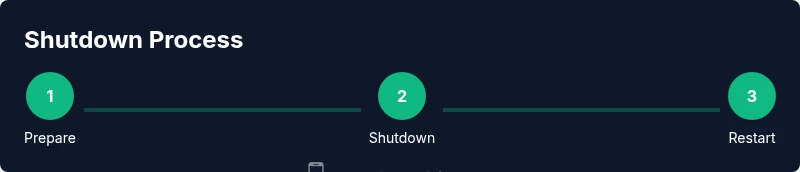
- 1
Prepare by saving work and closing apps
Review open documents and apps, save any unsaved work, and close apps to prevent data loss when the device shuts down. This ensures a clean state on the next startup and reduces the risk of interrupted tasks.
Tip: Close sensitive apps first if you’re leaving the device unattended in a public space. - 2
Access the power options
Press and hold the power button (and volume button on some models) until the shutdown menu appears. This is the universal gateway to power off, and it avoids forceful methods that could cause issues.
Tip: If your device is unresponsive, skip this step and proceed to step 4 for a forced restart. - 3
Choose Power off or Shut down
On the screen, select the Power off or Shut down option. Wait for the device to power down completely; you should see the screen go dark and the device stop drawing power.
Tip: If the screen doesn’t respond, move to step 4 instead of repeatedly tapping the button. - 4
Force restart only if needed
If the device won’t shut down normally, perform a forced restart by holding the power button and volume down (or the appropriate combo for your model) for about 10 seconds until the device reboots.
Tip: Use this as a last resort; forcing a restart can interrupt ongoing tasks and may trigger data checks on reboot. - 5
Confirm shutdown and store securely
After the device powers off, store it securely if you’re away from home. When you’re ready to resume, power the device back on using the normal power button sequence and sign back in if needed.
Tip: If you use a passcode or biometric lock, ensure it’s re-enabled after reboot.
Got Questions?
What does switching my phone off do for security and performance?
Powering down halts all background processes and radios, reducing data exposure and refreshing system services on reboot. It can also improve responsiveness after a restart and aid in applying updates cleanly.
Powering down stops all processes and radios, which helps refresh the system and protect your data when you restart.
Is it safe to switch off while charging?
Yes, switching off while charging is safe for both Android and iOS devices. Just wait for the charge to commence. If you’re updating, avoid unplugging until the update finishes.
Yes, it’s safe to power off while charging. Just ensure updates are complete before unplugging.
What if the screen won’t turn off normally?
If the screen won’t respond, try a forced restart by holding the power and volume buttons for about 10 seconds. If the device still won’t shut down, consult the manufacturer’s support resources.
If it won’t respond, use a forced restart, then seek support if needed.
Will turning off delete my data?
Turning off the device does not delete data. However, performing factory resets or interrupting updates can erase data. Always back up important files before major actions.
Turning off won’t delete data, but factory resets can. Back up important files first.
How often should I switch off my phone?
There’s no need to shut down daily. Do so when updating, troubleshooting, or storing the device for extended periods. Use power-offs as a maintenance tool rather than a daily ritual.
You don’t need to power off every day—use it for updates, troubleshooting, or storage.
Watch Video
What to Remember
- Power down when updating OS to ensure clean installation
- Close apps and back up data before shutdown
- Use force restart only as a last resort
- Check security settings after reboot