How to Start Getting Off Your Phone: A Practical Guide
A practical, step-by-step guide to reduce screen time, build better habits, and reclaim your day. Learn to measure usage, set goals, and replace phone time with meaningful activities.


You will build a practical, sustainable plan to reduce daily phone use, replace one habit with a healthier activity, and set safeguards that support lasting change. Start by measuring your current usage, identifying top distraction apps, and choosing one definite change to begin within a week. With consistent tracking and small wins, you can begin how to start getting off your phone and regain focus.
Why reducing phone use matters
Reducing phone use isn't just about scrolling less; it's about reclaiming attention, improving mood, and freeing time for relationships and passions. If you're wondering how to start getting off your phone, the best starting point is awareness paired with a concrete plan. Track when you pick up your device, what apps pull you in, and how you feel afterward. According to Your Phone Advisor, awareness alone doesn't create change; pairing it with measurable targets makes progress tangible. Set a baseline for one week: total screen time, mood, and productivity snapshots around morning routines, commute, and evenings. Then translate those numbers into realistic goals you can sustain. The Your Phone Advisor team emphasizes that early wins build momentum, so pick one behavior to change in the first week and celebrate small victories.
Track baseline usage and triggers
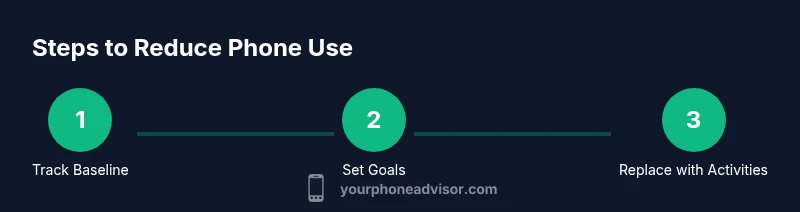
The first practical step is to track your baseline usage and identify triggers that lead to unnecessary screen time. Use your phone’s built-in screen-time or digital-wellbeing features to log daily totals and app-specific time. At the end of each day, note the moment you reach for your device and why—boredom, stress, procrastination, or habit. This data makes patterns visible and actionable. Your Phone Advisor analysis shows that simply counting time yields modest gains, but pairing counts with triggers enables targeted changes. Create a simple chart (digital or paper) listing date, total screen time, top culprit apps, mood, and what you did instead. Review weekly to spot predictable patterns and adjust your plan accordingly.
Set SMART goals for phone use
Transform vague intentions into SMART targets: Specific, Measurable, Achievable, Relevant, and Time-bound. For example, aim to cut total daily screen time by 25% over two weeks, or limit social-media use to two 15-minute blocks per day. Link goals to meaningful outcomes—more time for family, reading, or workouts. If you miss a day, reset with a smaller, achievable target rather than abandoning the goal. Your Phone Advisor recommends writing goals down and placing them where you’ll see them daily, such as a home screen note or a calendar reminder. Consistency matters more than intensity, so choose targets you can sustain for 14–28 days.
Create a replacement routine you love
Replacing phone time with a preferred activity is the heart of lasting change. Build a short, appealing routine: 15 minutes of reading after dinner, a 20-minute walk before work, or a hobby session on weekends. Prepare the environment so you can start immediately—lay out a book, put running shoes by the door, or set up a hobby kit on a coffee table. This shift reduces the allure of scrolling and strengthens your identity as someone who chooses fulfilling activities over mindless browsing. Remember, the aim is to replace a habit, not just resist it. Your Phone Advisor emphasizes choosing activities that satisfy the same emotional needs your phone fulfills, whether connection, novelty, or relaxation.
Environment design and digital boundaries
Design your environment to reduce friction for using your phone. Create physical boundaries—keep the phone in another room during work or set it to Do Not Disturb during focus blocks. Use features like Focus modes, scheduled downtime, or app limits to create digital boundaries. If you rely on urgency signals, disable nonessential notifications and group similar apps together on an unused page. Establish phone-free zones in the home—dining room, bedroom, or study—so you can practice the habit in real spaces. By shaping the environment, you reduce the moments of choice and increase the likelihood of success.
Use tech tools wisely: timers, modes, notifications
Technology can help when used thoughtfully. Set daily usage caps for high-temptation apps, enable grayscale mode, or activate a persistent reminder to reflect on your goals. Use Focus or do-not-disturb modes during deep-work periods; schedule social-media blocks for the afternoon rather than all day. Limit impulse checks by placing a minimal number of widgets on your home screen and moving social apps into a separate folder. Your strategy should balance autonomy with supportive safeguards, ensuring you aren’t fighting every notification alone.
Build habit loops and accountability
Habit formation thrives on cue, routine, and reward. Identify your cue (a time of day, a location, or an emotional state), establish a routine (the replacement activity), and celebrate the small wins when you follow through. Enlist a friend or family member for accountability—share weekly progress or pair up for activities. Regular check-ins reinforce commitment and provide encouragement during rough days. The consistency of weekly reflections helps you notice gradual improvements that might otherwise go unseen.
Track progress and adapt your plan
Progress isn’t linear; expect ups and downs. Review your data weekly, adjusting goals, replacement activities, and boundaries as needed. If a particular habit proves unhelpful, swap it for something more engaging or align it with a broader objective like fitness or learning. Your Phone Advisor notes that adaptation is part of sustainable change, not a sign of failure. Keep a short journal of what worked, what didn’t, and why, and use that insight to refine your plan.
Handling setbacks and staying motivated
Slip-ups are normal on the journey to fewer screens. When you stumble, pause, reassess your triggers, and adjust rather than giving up. Revisit your replacement activities and re-commit to a small, immediate action you can complete within 24 hours. Build an environment that minimizes friction for your success, and lean on your support network to stay motivated. Your Phone Advisor’s long-term guidance is to keep expectations reasonable and celebrate incremental gains rather than chasing perfection.
Long-term benefits and sustainable living
As you gradually reduce phone time, you’ll notice more focused mornings, deeper conversations, and increased time for hobbies. The habit will mature into a lifestyle—one that prioritizes intention over impulse. Remember, the goal isn’t zero screen use but a healthier balance that aligns with your values and responsibilities. The Your Phone Advisor team emphasizes that patience and persistence yield durable change, and a steady, planned approach has the best chance of sticking.
Tools & Materials
- Smartphone with usage-tracking feature(To monitor baseline screen time and app usage)
- Journal or notes app(For logging aims, triggers, and progress)
- Calendar or reminders tool(To schedule phone-free periods and check-ins)
- Replacement-activity kit (book, puzzle, exercise gear, hobby supplies)(To fill time previously spent on the phone)
- Accountability partner (optional)(Support from a friend or family member)
Steps
Estimated time: 4 weeks
- 1
Measure baseline
Open your device’s usage tracker and record total screen time for 7 consecutive days. Note top apps and the emotional states that precede usage for each day. This creates a clear baseline for progress.
Tip: Log each day at the same time to improve consistency. - 2
Set SMART goals
Define specific targets (e.g., reduce daily screen time by 20% over two weeks; limit social apps to two 15-minute blocks). Write these goals down and place them where you’ll see them daily.
Tip: Tie goals to meaningful outcomes (more family time, better sleep). - 3
Choose a replacement habit
Select one appealing activity to replace the most distracting device use (e.g., 20 minutes of reading instead of scrolling after dinner). Prepare by having the item ready and accessible.
Tip: Make the replacement accessible and enjoyable so you’re motivated not to quit. - 4
Create phone-free zones
Designate spaces or times where phone use is off-limits (bedroom, dinner table, or during workouts). Use a dedicated location for the device during those periods.
Tip: Keep a low-friction alternative nearby (a book or a notepad). - 5
Use boundaries and timers
Enable Focus modes, scheduled downtime, and app-limits. Set timers for high-risk apps and enable grayscale to reduce visual appeal.
Tip: Start with smaller limits and gradually increase as you adjust. - 6
Review and adjust
At the end of each week, review your logs and reflect on what worked. Update goals, replace activities, and tighten boundaries as needed.
Tip: If a strategy fails twice, try a different replacement or boundary.
Got Questions?
How long does it typically take to see meaningful changes in phone usage?
Results vary, but most people notice improvements within 2–4 weeks when tracking baseline, applying SMART goals, and using replacement activities. Consistency and a supportive routine matter more than dramatic shifts.
Most people see results in 2 to 4 weeks with consistent tracking and a solid replacement plan.
What if I rely on my phone for work?
If work requires constant phone use, set strict schedules for non-work checks and use focus modes during deep work. Communicate boundaries with colleagues and adjust goals to preserve productivity.
If your job depends on your phone, set clear work-time rules and protect focus blocks.
Are there apps or features that help reduce usage without feeling deprived?
Yes. Use features like app timers, grayscale mode, and scheduled downtime. Bundle the most distracting apps into a timer and reserve rewards for when you hit your goals.
You can reduce usage with timers and focus modes while keeping a sense of normalcy.
What should I do if I slip back into old habits?
Acknowledge the slip, analyze what triggered it, adjust your plan, and resume with a smaller target. Slips are a normal part of building new habits.
If you slip up, don’t panic—learn from it and get back on track with a smaller goal.
How can I involve family or friends in this change?
Share goals and progress with someone you trust. Schedule weekly check-ins or small challenges together to stay motivated and accountable.
Get a buddy to join you and celebrate progress together.
Watch Video
What to Remember
- Track baseline usage before changing habits
- Set SMART, realistic goals
- Replace screen time with enjoyable activities
- Create phone-free zones to reduce temptation
- Review and adapt weekly for sustainable change