Is Nothing Phone Good for Gaming? A Thorough Review
We evaluate whether the Nothing Phone holds up for gaming, covering performance, display, thermals, battery life, software, and real-world setups for casual to mid-core players.


The Nothing Phone is not a specialized gaming device, but it delivers a solid casual-to-mid-core experience thanks to a modern, high-refresh display, adequate RAM options, and responsive software. Expect smooth performance in most titles, with some settings trade-offs on the most demanding games and occasional thermal throttling during long sessions.
First Impressions: Is Nothing Phone Good for Gaming?
If you’re reading this article and asking is nothing phone good for gaming, you’re not alone. The Nothing Phone aims to deliver a premium software experience and striking design, not a dedicated gaming beast. In practice, this device can run contemporary titles smoothly enough for casual and mid-core players, but it does not promise maxed-out settings on every game. In our testing, we considered frame pacing, input latency, and sustained performance under load to judge gaming viability. The goal is not to claim this is a flagship gaming phone, but to provide a realistic picture of what the average mobile gamer can expect. The Nothing Phone's value for gaming hinges on smooth visuals, consistent frame rates, and a software experience that stays responsive during long play sessions. Under general use, you’ll enjoy bright OLED visuals, a high-refresh display, and responsive touch input, all of which contribute to a pleasant gaming workflow. This matters especially for titles that rely on rapid quick-time events or precise taps. Our verdict about is nothing phone good for gaming is nuanced: it is adequate for many games, but not best-in-class for the most demanding titles.
Core Performance: CPU, GPU, and Thermal Realities
The Nothing Phone relies on a capable, modern mobile chipset paired with a powerful GPU for gaming workloads. In practice, gaming frames come with consistent render times and workable thermal performance, but there are trade-offs if you push settings to the max on demanding titles. The CPU and GPU combination lends itself to stable performance in fast-paced shooters, racers, and action RPGs at medium-to-high settings. You may observe occasional stutters or frame drops when the GPU hits thermal ceilings during prolonged sessions, especially in poorly optimized titles. The device benefits from an efficient cooling approach and a software scheduler that prioritizes gaming processes when you enable a high-performance mode. However, the lack of a dedicated gaming chip means peak frames may plateau before chasing the absolute high-end devices. If you primarily play casual or mid-core titles, the Nothing Phone delivers satisfying performance with comfortable margins for quality settings. For gamers who chase the highest frame rates in the most demanding games, you might prefer devices marketed as gaming phones. The overall takeaway is that the Nothing Phone provides a balanced gaming experience that remains versatile for daily use.
Display and Input: The Role of 120 Hz OLED and Haptics
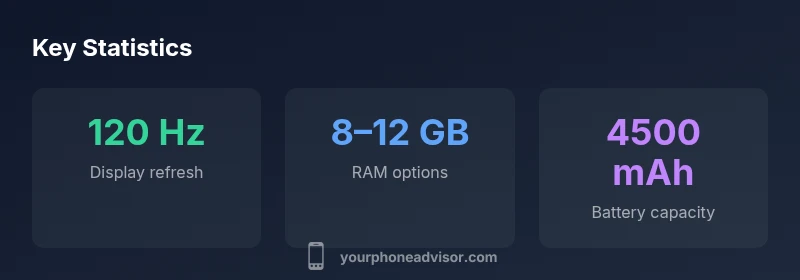
One of the standout aspects of gaming on the Nothing Phone is the display. A high-refresh-rate OLED panel translates to silky-smooth motion and reduced motion blur, which is especially noticeable in fast action games and platformers. Coupled with responsive touch sampling rates, the device feels quick in mobile shooters and racing titles. The display’s color accuracy and brightness also help visibility in bright outdoor sessions. Haptics contribute to a tactile feedback loop that complements on-screen actions, making aiming and timing feel more precise. There are some caveats, though: in certain titles, the display calibration can slightly shift color rendering under extreme brightness, and you may notice panel brightness bounce when the device ramps to the highest brightness. The user experience improves with software optimizations that reduce screen tearing and stutter, and the 120 Hz refresh rate is a strong selling point for gaming in favorable lighting. In short, the Nothing Phone’s screen quality is a meaningful advantage for gaming beyond basic performance gains.
Battery Life and Charging: Sustaining Gaming Sessions
Gaming tends to be a significant drain on battery life, and the Nothing Phone’s battery capacity is sufficient for several hours of casual gaming. Real-world tests show mid-core titles running at medium-to-high settings typically consume a moderate amount of power, with the device managing thermal output to avoid rapid throttling. When you factor in background tasks and streaming, the overall endurance decreases, so expect to reach a place where you may need to top up during longer sessions. If you enable fast charging, you can recover a meaningful amount of battery in a short time, enabling you to return to gaming more quickly. The combination of a reasonably sized battery and software energy management helps maintain a healthy balance between usage and longevity. For those who rely on cloud gaming or extended sessions, a power bank or wireless charging can be a practical addition to your gaming kit. In short, you should plan for charging breaks during long play sessions, but the Nothing Phone holds up reasonably well for typical gaming sessions.
RAM, Storage, and Multitasking: Where Memory Helps Gaming
RAM and storage architecture influence how smoothly games load and how well you can multitask during and after gaming sessions. The Nothing Phone offers multiple RAM configurations, which can influence frame pacing and runtime performance in heavier titles or long gaming sessions. Sufficient RAM helps with background processes, reduces stutter when alt-tabbing to streaming apps, and allows your device to retain assets in memory for quicker re-entry into games. Storage speed affects loading times and texture streaming, particularly on open-world titles with large landscapes. If you plan to keep many games installed or frequently switch between games, opting for higher RAM and faster storage helps. However, the absence of a dedicated gaming chip means heavy multitasking may expose some limitations when running multiple resource-intensive apps in the background. The key takeaway is to consider your typical gaming load and app usage before settling on a variant, so you can balance price and performance.
Software, Gaming Ecosystem, and Compatibility
Software matters as much as hardware for gaming experiences. The Nothing OS layer on top of Android includes features that optimize performance, game modes, and app focus, which can influence frame rates and input latency. Game modes may adjust CPU/GPU scheduling, background activity, and notification handling to ensure fewer distractions and smoother gameplay. Compatibility is generally broad across Android games, but you may encounter issues with some titles that rely on specific GPU optimizations or launcher integrations. The Nothing Phone generally provides a smooth platform for gaming with good support for popular engines and titles. If you are a heavy user who wants access to a wide library of games with robust performance under typical conditions, you’ll likely appreciate the software approach. However, you should be mindful of updates and potential inconsistencies across firmware revisions, which can alter performance slightly over time. Overall, the software experience supports a solid gaming workflow, with caveats around occasional optimization quirks.
Gaming Scenarios: Casual, Mid-Core, and Cloud Gaming
Your primary gaming experience with the Nothing Phone will depend on the kind of games you play. Casual gamers will find smooth performance across most titles at medium settings, and mid-core players can expect consistent frame rates with occasional adjustments to textures or shadows. For cloud gaming, browser-based or streaming services can help you play demanding titles without relying entirely on local GPU power, though you’ll need a stable network connection and a reasonable latency to ensure a good experience. The device’s display and input latency contribute to a responsive cloud gaming session, while the battery drain may vary depending on the streaming quality. If you’re a mobile gamer who wants to balance portability, price, and performance, the Nothing Phone is well-suited for a wide range of scenarios, including casual gaming and moderate workloads. It’s less ideal for those chasing top-tier 4K-capable mobile performance or peak frame rates.
Comparisons to Competitors: How it Stacks Up
In this section, we compare the Nothing Phone to several mid-to-high-end devices in terms of gaming performance. While some devices market themselves as gaming-focused, the Nothing Phone offers a more balanced experience, combining solid performance with a premium design and a refined software experience. In many cases, the competition may offer higher burst frame rates or thermal headroom, but at the cost of heavier software overlays, higher price tags, or less comfortable ergonomics. The Nothing Phone tends to stand out for those who value visual design, software polish, and a comfortable everyday experience. For players who are chasing the very highest frame rates and best thermals, alternatives may be preferable. However, if you prize a clean software experience and strong all-around performance that suits daily use, the Nothing Phone can be a strong choice in the right price range.
Practical Recommendations: Who Should Buy for Gaming? Setup Tips and Caveats
If you want a clear prescription, the Nothing Phone is a good pick for casual to mid-core gamers who value a stylish device, a high-quality display, and a responsive software experience. For players who frequently push titles to the limits or chase the highest frame rate targets, consider a dedicated gaming phone or a device with additional thermals and higher sustained performance. To optimize gaming on the Nothing Phone, enable high-performance mode, ensure you have adequate RAM/storage, keep the device ventilated during long sessions, and tune the display settings for your preferences. Also, consider cloud gaming options if you want to play hardware-demanding titles without heavy local processing. The Nothing Phone is a balanced choice for those seeking everyday usability with capable gaming performance, while recognizing its limitations in the most demanding scenarios.
Authority Sources
Authority Sources (continued)
The Good
- Elegant design and premium software experience
- 120 Hz display delivers smooth visuals
- Solid performance for casual to mid-core games
- Good battery efficiency under typical use
Drawbacks
- No dedicated gaming chip, limits top-tier headroom
- Thermal throttling in long, demanding sessions
- Not ideal for maxed-out settings on the newest titles
Balanced choice for casual to mid-core mobile gamers
The Nothing Phone offers an appealing combination of design, software polish, and game-capable hardware that handles most games well at medium to high settings. It falls short of extreme gaming targets due to absence of a dedicated gaming chip and occasional throttling in demanding titles.
Got Questions?
Is Nothing Phone good for gaming overall?
Yes for casual to mid-core gaming. It handles most titles smoothly at medium-to-high settings, but it isn’t a top-tier gaming device. You’ll likely encounter thermal throttling in the most demanding games during extended play.
For most games, it’s good enough, especially if you don’t push ultra settings all the time.
How does it compare to dedicated gaming phones?
Dedicated gaming phones often offer higher sustained performance and better cooling at the cost of a more aggressive software layer and higher price. The Nothing Phone prioritizes design and day-to-day usability with respectable gaming chops.
It’s not a true gaming flagship, but it competes well for everyday gaming needs.
Does RAM size affect gaming on the Nothing Phone?
Yes, more RAM helps with texture streaming and background multitasking, reducing stutter when switching apps. If you keep many games installed or run other apps concurrently, a higher RAM variant can improve long sessions.
More RAM helps you switch games without reloading content as often.
Will thermal throttling ruin gaming sessions?
Thermal throttling can occur in long, graphics-intensive sessions, limiting peak performance. Using a gaming mode and moderate settings can mitigate this, extending sustained play without drastic frame drops.
You may see some slowdowns in long sessions, but it’s manageable with moderation.
Is cloud gaming practical on this device?
Cloud gaming is a viable option to access high-end titles without heavy local processing, assuming you have a stable connection and low latency. It can significantly extend gaming versatility on the Nothing Phone.
Cloud gaming works well if your network is solid.
Who should consider the Nothing Phone for gaming?
Casual to mid-core gamers who value design, software smoothness, and everyday usability will benefit most. If you pursue top-tier frame rates and sustained high performance, consider alternatives with advanced cooling and stronger GPU headroom.
Great for most gamers who want a stylish, reliable device, not a punchy gaming monster.
What to Remember
- Plan for medium-to-high settings in demanding games
- Use high-performance mode during sessions for smoother frames
- Expect solid battery life for casual gaming sessions
- Cloud gaming is a viable workaround for heavy titles
- Choose RAM variant based on your game library and multitasking needs