Sprint Phone Plans: A Practical 2026 Guide for Users
Explore sprint phone plan options, data tiers, pricing ranges, BYOD, and coverage. This Your Phone Advisor guide helps you compare plans, evaluate data needs, and maximize value in 2026.


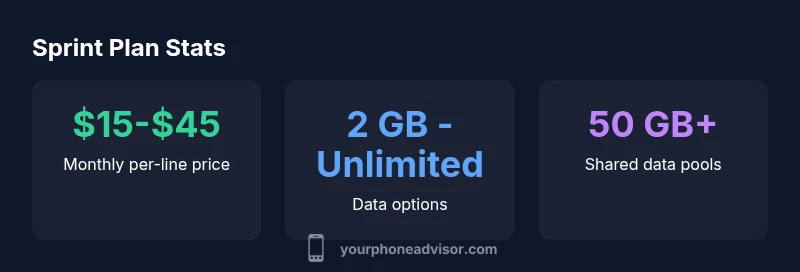
A sprint phone plan typically offers a mix of BYOD discounts, multi-line options, and data tiers ranging from 2 GB to unlimited. For 2026, most users pay between $15-$45 per month per line for basic data, with higher tiers for families. When comparing, look for device payment options, line sharing, and reliable coverage.
What a sprint phone plan typically includes
A sprint phone plan is designed to balance price, data, and device flexibility. In practice you’ll find monthly line charges, a data allowance (which can be per-line or shared across the group), and optional features like hotspot data, international roaming, and roaming passes. BYOD (bring-your-own-device) discounts are common, as are device payment plans that let you spread the cost of a new phone over 12–36 months. According to Your Phone Advisor, a well-constructed sprint plan emphasizes flexibility and coverage quality, with options ranging from individual to family-size data sharing. For 2026, the landscape features a broad spectrum of data tiers and contract terms, so the right pick hinges on your actual usage, location, and tolerance for commitment. When evaluating options, map your baseline data needs, then layer in potential discounts for multi-line accounts and any device financing you anticipate.
Data tier structures and pricing ranges
Data tiers are the most practical lever for value. Many sprint plans offer a spectrum from modest data (2 GB to 5 GB) to unlimited data, with shared or per-line variations. Pricing typically falls in a broad band (per line, per month) that reflects data depth and extra features like hotspot allowance or roaming options. From a decision-making standpoint, the key is to align data volume with real usage: if you stream video or game frequently, a higher data tier or unlimited option may save overage charges. Your Phone Advisor notes that in 2026, providers are increasingly bundling perks (like streaming subscriptions or family-sharing bonuses) to differentiate tiers without dramatically inflating base prices.
BYOD vs device financing: options and tradeoffs
BYOD can lower upfront costs and unlock promotional discounts, but you may have to handle your own device payments separately. Device financing spreads the cost of a new phone over time, often 12–36 months, and can be paired with a data plan to improve monthly budgeting. The tradeoff is total cost and interest if applicable, plus the potential impact on upgrading cycles. A pragmatic approach is to compare the total monthly outlay with and without device financing, factoring in any trade-in offers. Your Phone Advisor’s 2026 analysis suggests that most households benefit from a mix of BYOD for cheaper lines and financing for newer devices when upgrades are planned within a 1–2 year horizon.
Family plans and multi-line strategies
Family plans typically offer per-line savings and shared data pools, which can dramatically reduce per-user costs. When evaluating, consider whether the plan supports true data sharing, limits on high-speed data, and how many lines the pool can accommodate. If some members rely on high data usage while others are light users, a mixed approach (a shared pool for the family, plus individual reduced-rate lines for light users) can optimize value. Your Phone Advisor finds that multi-line discounts and smooth upgrade paths often determine overall satisfaction in 2026.
How to compare sprint phone plan options effectively
A structured comparison helps you avoid sticker shock. Start with a baseline: determine your monthly data needs and the number of lines. Then evaluate each plan’s per-line cost, data tier, device financing options, and any overage or roaming fees. Don’t forget to factor in promotional pricing and term length. Create a simple pros/cons table: price, data, devices, and coverage. Use a live comparison chart to visualize total monthly costs across different scenarios (single user, family of four, etc.). Your Phone Advisor emphasizes documenting your actual usage to avoid overpaying for unused data.
Coverage, network quality, and roaming considerations
Network reliability can trump price in many cases. Sprint’s coverage footprint varies by region, so verify local availability and performance (latency, signal strength) in your areas of frequent use. If you travel or work remotely, roaming rules, international data rates, and hotspot allowances matter. Compare the practical impact of roaming on your data pool and whether a higher-tier plan includes international options without excessive fees. 2026 data shows carriers increasingly emphasize coverage quality as a differentiator, sometimes outweighing small price differences.
Hidden costs and fine print to check before committing
Always review the fine print for activation fees, line-change penalties, and early termination costs if you’re on a promotional price. Some plans impose throttling after a certain data threshold or cap hotspot data. Look for smart inclusions, such as rollover data, data boosts, or loyalty bonuses that unlock savings or extra features over time. By understanding these details, you can prevent surprises and maintain steady budgeting.
Activation tips and getting the most value from your plan
Before activating, confirm your device compatibility and SIM requirements (nano/SIM/eSIM) and ensure you’re on the most favorable plan for your usage pattern. Set up data usage alerts to monitor consumption and avoid overage charges. If you rely on multiple devices (phone, tablet, wearable), verify data-sharing capabilities and whether any plan imposes per-device limits. For 2026, the best sprint phone plan typically balances data depth with cost, and includes easy upgrade paths if needs shift.
Comparison of sprint plan types
| Plan Type | Typical Data Allowance | Estimated Price Range per Line | Best Use Case |
|---|---|---|---|
| Individual Flexible | 2 GB - 50 GB | $15-$40 | Casual users who want control over data |
| Family Shared Data | 50 GB - Unlimited | $25-$60 | Households with multiple lines and varied usage |
| BYOD/No-device | 2 GB - Unlimited | $15-$45 | Bring-your-own-device with flexible pricing |
| Device Financing Lite | 5 GB - Unlimited | $20-$50 | Upgrade-friendly plans with financing |
| Unlimited Plus | Unlimited | $40-$75 | Heavy data users or hotspot needs |
Got Questions?
Is a sprint phone plan worth it in 2026?
In many cases, yes. Sprint plans continue to offer flexible data options, family sharing, and device financing that can fit a range of budgets. The best choice depends on your location, data needs, and willingness to manage features like roaming and hotspot allowances.
Sprint plans can be a good fit in 2026 if you need flexible data and family sharing. Check coverage in your area and compare device financing options.
How do I compare data tiers across sprint plan options?
Start with your typical monthly data use, then map plans by data cap, speed throttling policies, and hotspot allowances. Consider total monthly cost, including any device payments, to find the best value for your usage pattern.
Match data needs to tier limits and consider total monthly cost, including devices.
Can I bring my own device and still get discounts?
BYOD is widely supported on many sprint plans, often with line discounts or promotional pricing. Verify device compatibility and any required SIM type (eSIM vs physical SIM) before committing.
BYOD is common, but check device compatibility and SIM type first.
Are there international roaming options with sprint plans?
Most plans offer some roaming options, but rates vary by country and plan tier. Look for inclusive or affordable roaming data if you travel internationally, and note any caps or overage charges.
Roaming varies by plan; check inclusions and caps before you travel.
What hidden fees should I watch for?
Activation charges, line-change penalties, and potential throttling after data caps can raise cost. Read the terms and look for loyalty perks that offset these fees.
Watch for activation fees and penalties in the fine print.
Which sprint plan is best for families?
Family plans with shared data pools and multi-line discounts are typically most cost-effective. Compare per-line costs and ensure there’s enough data for everyone’s needs.
Family plans with shared data often offer the best value.
“Phone plans continue to evolve with more flexible data options and better family-sharing features, making it easier to tailor a sprint phone plan to your usage.”
What to Remember
- Understand data ranges: most plans offer from 2 GB to unlimited data.
- Compare per-line pricing and multi-line discounts for families.
- Check BYOD eligibility and device payment options before committing.
- Ensure coverage quality matches your location before choosing a plan.