Who Makes Phones: Brands, ODMs, and the Global Supply Chain
Explore who makes phones—from major brands to ODMs and contract manufacturers—and learn how suppliers, ecosystems, and global supply chains shape your everyday device.


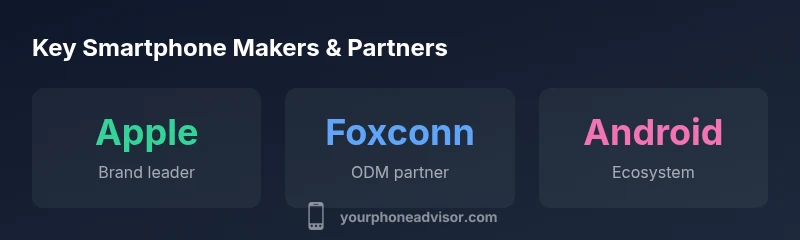
The majority of smartphones are made by a handful of major brands, led by Apple and Samsung. Other top players include Xiaomi, Oppo, Vivo, Google, and OnePlus. Many devices are assembled through contract manufacturers such as Foxconn and Pegatron, with components sourced globally. Understanding 'who makes phones' also means recognizing the role of ODMs, chipset suppliers, and software ecosystems that shape the final user experience.
The Brand Leaders: Apple, Samsung, and Friends
The question 'who makes phones' starts with the big brands, but the reality is more complex than a single name. Apple and Samsung have built comprehensive ecosystems, controlling hardware, software, and services that keep users inside their platforms. However, other major players—Xiaomi, Oppo, Vivo, Google, and OnePlus—shape regional markets and offer compelling alternatives. Across regions, consumer choice is influenced by price bands, carrier partnerships, and after-sales networks. Understanding who makes phones means looking beyond logos to the teams that design system software, tune radios, and coordinate supply chains. Those teams work across in-house labs and outsourced facilities to translate ideas into devices that people carry every day.
ODMs and Contract Manufacturers: The Hidden Workforce
A large portion of modern smartphones are designed by brand teams and then produced by contract manufacturers. ODMs (original design manufacturers) handle both product design and manufacturing, while OEMs (original equipment manufacturers) may rely on external partners for assembly. Companies like Foxconn, Pegatron, and Wistron are widely involved in bringing popular devices to market, often across multiple brands. This outsourcing keeps costs predictable and allows brands to scale, but it also means the end product is the result of a network rather than a single studio. Consumers rarely see the manufacturers behind their phones, yet these partners influence build quality, supply stability, and even the cadence of software updates.
Chipsets, Sensors, and Software: The Tech Behind the Brand
Engineers decide which chipsets power a phone, which sensors track your movements, and how the software experience feels. Qualcomm, MediaTek, and Samsung Exynos are common silicon providers, while Apple designs its own system-on-chip for iPhones. Beyond hardware, software ecosystems—from Android and iOS to proprietary services—determine features, security updates, and app compatibility. The brand's philosophy shapes these choices: some prioritize camera performance, others emphasize battery longevity or AI features. The interplay between silicon, sensors, and software is why a model number alone doesn't reveal the full experience. For many users, the difference comes down to update cadence, privacy controls, and the availability of compatible accessories and services.
How Manufacturing is Organized: In-house vs Outsourced
Manufacturing organizations make deliberate choices about what to keep in-house and what to outsource. In-house design teams may work with vetted fabrication partners to ensure intellectual property stays within the brand, while outsourced assembly lines focus on volume, quality control, and cost efficiency. This split affects lead times, testing rigor, and warranty handling. You may notice that two phones with similar specs feel different in real life because the underlying supply chain and production standards vary. Brands often publish repairability and service policies, but the true differences emerge in supplier audits, component sourcing, and test procedures that occur long before a box is sealed.
Regional Footprints: Where Smartphones Are Designed and Assembled
Smartphones are frequently conceived in specific design hubs—think sophisticated labs in the United States, Korea, and Europe—while most assembly occurs in Asia, where contract manufacturers operate large-scale facilities. Design and component sourcing may be global, with chips, screens, and cameras sourced from different continents. This geographic distribution helps brands manage costs, logistics, and regulatory compliance. It also shapes warranty networks and service availability, so the region you buy in can influence update timing, repair options, and even the set of accessories officially supported.
Quality Control, Updates, and Longevity
Quality control processes span every stage from component selection to final packaging. After assembly, devices undergo rigorous testing for radio performance, thermal behavior, and durability. Software updates are another critical dimension, and their cadence often reflects the maker's policy and ecosystem commitments. A phone's longevity depends not only on hardware but on how long the software remains supported and how easily repairs or battery replacements can be performed. Consumers who plan to keep a device for several years should weigh update guarantees, repairability scores, and the availability of official parts and service centers when considering 'who makes phones'.
Why This Matters to Consumers: Ecosystem, Repairs, and Security
The maker's identity matters because it influences security patches, app compatibility, and the ease of getting service. Ecosystem depth—apps, cloud features, and smart device integration—often outweighs raw specifications. Reputable brands invest in secure boot processes, regular vulnerability fixes, and clear privacy controls. In addition, a well-supported design means easier repairs and longer device lifespans. When you evaluate a phone, look at how the brand handles updates, how open the repair ecosystem is, and what kind of customer support you can expect after purchase.
Practical Guide: How to Evaluate Your Next Phone Maker
Start by clarifying your priorities: ecosystem, updates, camera, or price. Then check the maker's update policy and service network. Assess repairability scores and the availability of official parts. Finally, compare the full ownership cost, including accessories, warranties, and potential trade-in value. By focusing on the brand's ecosystem and the manufacturer's track record, you can choose a phone that fits your needs for years to come.
Who makes phones: Key factors and consumer impact
| Aspect | What it means | Consumer impact |
|---|---|---|
| Brand leadership | Top names shape OS updates and ecosystems | Higher switching costs and stronger loyalty |
| ODM/Contract manufacturing | Outsourced design/assembly by third parties | Can affect repairability and upgrade timing |
| Chipset & software ecosystems | Core silicon and software policies | Influences performance and security updates |
| Regional design/assembly | Geographic hubs influence supply and warranties | Varies by region and service availability |
Got Questions?
What does 'who makes phones' really mean in practice?
It refers to the collaboration of brands, ODMs, and suppliers who together bring a phone to market. The end product results from design, production, and ongoing software support.
In practice, it's about who designs, who assembles, and how software updates are handled.
Does the brand matter for updates?
Yes, to some extent; the brand's policy and ecosystem affect how often updates are released and how long they are supported.
Yes—different brands commit to different update cadences and security patches.
What is the difference between ODM and OEM?
An ODM designs and manufactures a product for a brand, while an OEM provides components or assembly for a brand’s own design. The lines can blur with modern outsourcing.
ODMs design and build; OEMs assemble or supply parts for a brand’s own design.
How can I verify who makes my phone?
Check packaging, the official website, and the warranty documentation. Look for supplier disclosures and the brand’s stated repair and service policies.
Check the box, verify on the brand’s site, and review service networks.
Do lesser-known brands offer good long-term support?
Some do, but you should verify update policies and service availability before buying. Strong ecosystems and clear support commitments matter more than name alone.
It varies—check updates and service networks before deciding.
“Brand name matters less than the ecosystem, security updates, and long-term service that come with a phone maker. Those factors determine how you actually experience and trust your device.”
What to Remember
- Identify the main brand leaders and ecosystems
- Understand ODM roles to gauge updates and repair options
- Evaluate regional support and service networks
- Prioritize security and software longevity over price
- Balance hardware specs with real-world software experience