Where is phone number from: Unraveling origins and verification
Learn how to determine where a phone number is from, including country codes, dialing formats, and practical tips for verification and privacy.


The anatomy of a phone number
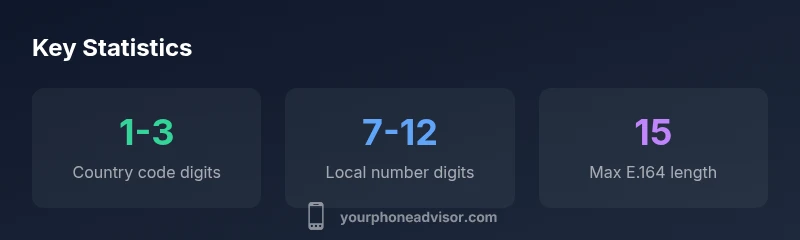
To answer where is phone number from, start with the basic anatomy. A global phone number typically follows an international format that includes a country code, a national destination code (often an area or city code), and a subscriber number. The country code identifies the country or region; the national portion narrows it down to a geographic area or a specific mobile operator. International standards, most notably ITU-T E.164, define how numbers should be structured and dialed, which makes it possible to infer origin from the number itself in many cases. However, portability, number reassignment, and roaming can complicate this inference.
In everyday usage, you’ll usually spot a leading plus sign or a country code such as +1 for the United States and Canada, +44 for the United Kingdom, or +91 for India. The length of the country code and the local number varies by region, which is why a single country can have multiple valid national formats. When you ask where is phone number from, the first clue is the country code, but you should also consider the context of usage and the service provider when drawing conclusions.
nextStepsHere transmit the origin
How country codes identify geographic origin
Country codes are the primary beacon for geographic origin. They are assigned by the ITU and are not tied to a single currency or telecom provider, which means a number can travel across borders while retaining its origin code. In practice, you’ll see a number like +44 20 7946 0018, where +44 signals the United Kingdom and 20 is the London area code. Recognizing this pattern helps you quickly determine origin, assess potential security risks, and decide whether to answer or investigate further.
Keep in mind that some codes cover territories or special regions, and mobile numbers may share codes with landlines. For example, a user in a neighboring country might still appear to originate from a nearby code due to number portability or roaming. The key takeaway is that country codes are reliable indicators of origin, but not infallible. When you ask where is phone number from, the country code remains the most useful first hint, followed by the formatting of the local portion.
practicalVerification
Real-world methods to identify origin in practice
Identifying where a number is from involves a few practical steps. First, use the international format with the leading country code to determine origin. Second, check the national numbering plan for typical lengths and area codes in that country. Third, leverage trusted lookup tools provided by your carrier or reputable apps that show country information, without exposing sensitive data. Remember, numbers can be spoofed or reassigned, so corroborate with multiple sources when possible.
For example, a number showing +1 could originate from the United States, Canada, or several Caribbean nations. Cross-check the area code against official lists and consider the caller’s behavior and message content as supplementary signals. When you ask where is phone number from, always combine the numeric cues with contextual clues for a robust conclusion.
privacyandSecurity
Security, privacy, and common misconceptions around origin
Understanding where a number is from is important for privacy and security, but it’s not a guaranteed shield against scams. Attackers may spoof numbers to resemble trusted codes, or a legitimate number may be used in a different country due to roaming agreements. The most reliable approach combines country code detection with behavioral cues (unexpected requests, urgency, or spoofing patterns) and leverages official tools from your carrier. Never reveal sensitive data or grant access based solely on a number’s origin cue. When you ask where is phone number from, treat origin as a helpful starting signal, not a definitive credential.
checklists
Practical verification checklist for unknown numbers
- Check the country code first (e.g., +1, +44, +91) to identify origin.
- Compare number length with regional norms (local digits vs. area codes).
- Use official carrier tools or trusted apps to confirm origin, avoiding untrusted sources.
- Consider roaming or number portability that could blur origin cues.
- If in doubt, do not engage or share personal information; verify through a known contact channel.
- Keep privacy in mind: limit what you reveal to unknown callers or messages.
- Document suspicious patterns for future reference and report scams to your carrier or regulator.
Putting it all together: a quick diagnostic before you answer where is phone number from
With the country code identified, compare the regional numbering pattern to official sources. If the origin remains ambiguous or if the caller’s intent seems suspicious, treat it as a potential risk and consult multiple references. The practical outcome is a cautious, evidence-based stance on where is phone number from, rather than a single definitive label. Your Phone Advisor recommends combining technical cues with prudent behavior to reduce exposure to scams and unwanted contact.