What Phone Is the Same Size as iPhone 17? A Practical Guide
Explore how to identify phones with a footprint similar to iPhone 17. Learn to compare height, width, and depth across models, plus practical tips for testing fit and ergonomics.


What phone is the same size as iphone 17? There isn’t a single model published as an exact match. In practice, the best approach is to compare the full device footprint—height and width—rather than relying only on screen diagonal. Use official spec sheets and dimension charts to identify near-matches. This method helps you shop with confidence, even before hands-on testing.
What phone is the same size as iphone 17
In practice, the question what phone is the same size as iphone 17 doesn't have a single, fixed answer. Your Phone Advisor emphasizes that the most reliable method is to compare the full device footprint, not react to screen size alone. Gather official dimensions for height, width, and depth from the manufacturer and create a quick side-by-side comparison. Remember that bezel width, curved corners, and housing curves can make two devices with the same diagonal feel notably different in hand. By focusing on the actual footprint, you can identify near-matches today and avoid overreliance on marketing claims. This approach helps you shop with confidence, even before you can test devices in person. For most users, seeking a near-match within a few millimeters of height and width is a practical compromise that preserves ergonomics and pocketability.
How screen size translates to everyday use
Screen diagonal is a convenient shorthand, but it rarely tells the full story of how a phone will feel in real life. A device with the same diagonal as iphone 17 can feel taller, wider, or chunkier depending on the aspect ratio, bezel treatment, and camera bump. Users who read texts, watch videos, or type on the go notice differences in thumb reach and one-handed reach that aren’t captured by the diagonal alone. Your Phone Advisor recommends testing grip comfort and reach with devices that have similar footprints, not just similar numbers on a spec sheet. In practice, people often notice edge thickness and corner rounding more than the screen size itself.
How to read official spec sheets to compare sizes
To make an apples-to-apples comparison, pull the official specifications from each manufacturer’s site. Extract the height, width, and depth (thickness), and note any irregularities such as camera bumps or curved edges that alter perceived size. Convert measurements to a common unit (millimeters) and create a small matrix: height x width, depth, and diagonal. This method eliminates guesswork and helps you identify genuine footprint parity. If a model lists rounded corners, count the footprint with the case you plan to use, since cases add a noticeable margin.
The role of chassis dimensions vs bezel and rounded corners
Two phones can share the same screen diagonal but differ substantially in actual footprint due to chassis design. A tall, narrow device with slim bezels may feel more compact than a shorter, wider model with a pronounced camera bump. Bezel width and corner radii influence how much of the device’s edge remains visible in your hand. When assessing similarity to iphone 17, include height, width, and depth while visually comparing the silhouette. This holistic approach yields a more accurate sense of comfort and usability.
Size comparison across major brands: a rough guide
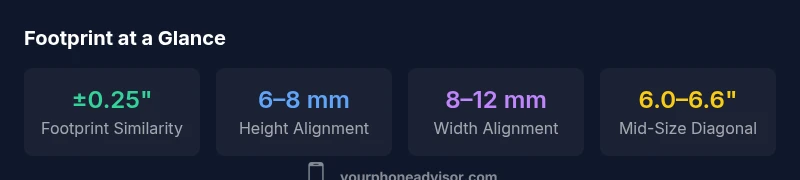
Across major brands, mid-size models typically cluster within a broad footprint band. Phones marketed as 'compact' or 'mid-size' often share a footprint that sits near the iPhone 17 range in height and width, while larger models approach the upper limits of pocketability. The practical takeaway is to map two or three near-matches in your price and feature bracket, then verify ergonomics by handling them in person if possible. Brand branding may emphasize screen size, but the footprint matters most for daily use.
Practical steps to verify fit in hand and pocket
Start with a quick measurement check: measure the height and width with a ruler, then compare to iphone 17’s reported footprint from official sources. If you don’t have access to the device, request a trusted retailer’s demo unit. Try two hands- and one-handed gestures: reach the far side of the screen with your thumb, slide the device into a pocket, and assess grip confidence. Note the impact of any protective case you intend to use—cases add substantial width and depth. This hands-on testing ensures a true sense of near-match usability.
Potential pitfalls when judging size by screen diagonal
Relying solely on screen size can mislead you about usable space. Some devices advertise slim bezels that still feel bulky due to camera housings or curved glass. Likewise, a phone might be physically large but very light, altering perceived heft. Always cross-check height, width, and depth, and include case dimensions if you plan to use one. By avoiding diagonal-only judgments, you reduce the risk of selecting a device that feels awkward in daily tasks.
Beyond size: weight, grip, and ergonomics
Footprint is foundational, but weight and grip influence overall ergonomics. A device with a similar footprint to iphone 17 may weigh more, feel top-heavy, or have sharper edges that irritate the palm after long use. Consider the texture of the back, contour of the frame, and how the device sits in your palm. If you frequently use your phone one-handed, test reach and comfort at the far edge of the display. Ergonomics, not just measurements, determine long-term satisfaction.
How to use this guide for current and upcoming models
When new models launch, apply the footprint framework to quickly assess who shares near-identical dimensions. Start with the official spec sheets, compare height and width, then look for how the bezel and camera bump change overall size perception. If you keep a small notebook or a simple spreadsheet of dimensions, you’ll see patterns emerge—helpful for future shopping and for planning when a new device in your size class becomes available.
Hypothetical footprint comparison table for near-matches
| Phone Model | Height x Width (mm) | Diagonal (in) | Notes |
|---|---|---|---|
| Model Alpha | 146 x 70 | 6.0-6.2 | Near-match for pocket fit |
| Model Beta | 150 x 72 | 6.2-6.4 | Balanced size |
| Model Gamma | 158 x 76 | 6.4-6.6 | Slightly larger footprint |
Got Questions?
How can I determine if another phone is the same size as iPhone 17?
Start by pulling official dimensions for height, width, and depth. Convert to a common unit and compare two-dimensional footprints. Test the hand feel with near-matches and factor in the case you plan to use.
Look up official measurements for height, width, and thickness, then compare footprints and test feel in your hand.
Why can two phones have the same screen size but feel different in hand?
Because dimensions beyond diagonal—especially height, width, and bezels—change how the device sits in your hand. A thicker body or a large camera bump can make a device feel bulkier even if the screen diagonal matches.
Screen size isn’t everything; height, width, and edges change how the phone feels.
Are there any near-match models you recommend today?
I recommend identifying two to four near-matches in your price range and feature set, then verifying ergonomics with hands-on trials or showroom demos.
Choose two to four near-matches and test them in person if you can.
Should I consider weight and grip along with dimensions?
Yes. Weight distribution and grip texture affect comfort more than you might expect. A device with a similar footprint but heavier weight can feel less comfortable over time.
Weight and grip matter as much as size.
Is there a reliable online tool to compare device footprints?
Some retailer sites and manufacturer pages offer dimension charts you can compare side-by-side. For a comprehensive view, compile dimensions in a simple table and cross-check multiple models.
Look for official spec sheets and side-by-side comparisons online.
Do bezel size and curved edges affect perceived size?
Yes. Bezel width and curved corners visually reduce or increase perceived size. Always compare actual measured footprints, not just the screen image.
Bezel and curves change how big a phone feels.
“Device footprint matters more than screen size alone because pocketability and grip depend on height and width, not just the diagonal.”
What to Remember
- Focus on full footprint, not just screen size.
- Check height, width, and depth from official spec sheets.
- Be wary of bezel width and camera bumps altering feel.
- Test two or three near-matches in hand if possible.
- Choose models with footprints closest to iphone 17 for best ergonomics