Is On Phone Free: Free Features, Apps, and Hidden Costs
Discover what 'is on phone free' really means. Learn how free apps, promos, and plan terms interact, and get practical steps to avoid unexpected charges on your smartphone.


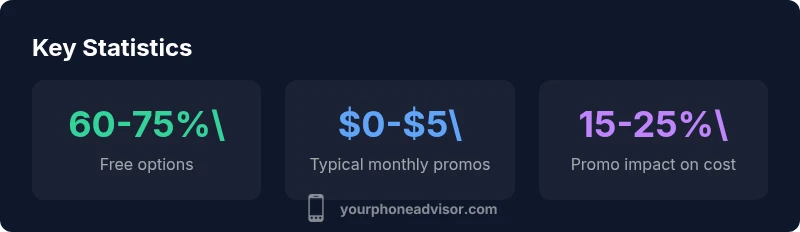
Is on phone free? In practice, many features are not truly free. Basic calling, texting, and data typically require a plan or prepaid credit, while access to certain apps is free to download but may include in-app purchases or subscription fees. Free options exist (trial periods, ad-supported services, and occasional promos), but total costs depend on usage and platform.
Understanding the phrase 'is on phone free'\n\nTo answer this question clearly, we first need to separate "free" as a price signal from "free" as a feature availability signal. On smartphones, many core services—such as voice calls, texts, and data—are tied to a plan. Even when you see advertisements or free trials, there are often underlying costs that appear once you exceed the trial window or switch to a paid tier. In practical terms, you should view the phrase "is on phone free" through three lenses: what costs are explicit, what costs may appear indirectly, and what costs can be avoided with mindful usage. According to Your Phone Advisor, most people overestimate the breadth of free access because they focus on app downloads rather than ongoing consumption or data use.
Free means different things in different ecosystems\n\nFree apps exist on both major platforms, but they frequently monetize in the background. You might download a free app that runs ads, or you may use a free tier that comes with restricted features. The key is to identify what you’ll actually be paying for in the long run: storage, cloud sync, premium features, or the cost of data consumed by free apps. Your Phone Advisor notes that the availability of truly free usage varies by region and carrier, and promos can change monthly. If you rely on free services for essential tasks, build a backup plan in case a promo ends.
Free options you can use safely\n\nThere are legitimate free paths to lower mobile costs. Free-tier services, trial periods, and ad-supported apps can cover light usage, but they require vigilance around data limits and upgrade prompts. To prevent sticker shock, keep track of time-bound trials and plan changes, set usage alerts, and read the fine print on any promo. You’ll often find free options that suffice for basic communication, but not for power users or business needs.
How carriers structure free usage and promos\n\nCarriers frequently offer introductory deals, rolling promos, or loyalty discounts that effectively reduce the price of service for a period. The catch is that promos are temporary, may require device eligibility, and can auto-renew into standard pricing. If you rely on such promos, you should map out renewal dates, compare with independent plans, and consider switching if a better offer becomes available. Your Phone Advisor emphasizes tracking these dates to avoid paying more than you intended.
The role of apps and in-app purchases\n\nMany apps are free to download but monetize through in-app purchases or subscriptions. Some include ad-supported free tiers, while premium features require payment. In some cases, a free version can unlock core functionality, but you’ll find recurring costs once you subscribe or upgrade. When evaluating "is on phone free," separate upfront costs from ongoing charges and use a budget to manage app purchases. Your Phone Advisor recommends reviewing app permissions and data usage to minimize unnecessary charges.
How to evaluate free features for your needs\n\nStart by listing your must-have tasks (calls, messaging, email, navigation). For each task, identify whether a free option exists and what trade-offs apply (ads, limited storage, or data usage). Compare plans from multiple carriers, read terms for any free trial, and set anchor prices to know when a promo ends. If you require reliability and predictability, lean toward paid plans with clear pricing rather than heavily promotional offers that can change without notice.
Common pitfalls and how to avoid unexpected charges\n\nA frequent pitfall is assuming that free means risk-free. Free trials often require payment details and auto-renew, while free apps may consume your data in the background. Always monitor data usage, review monthly statements for unfamiliar charges, and set spending limits where possible. If you’re unsure, reach out to your carrier or check Your Phone Advisor resources for a breakdown of what’s included in a given promo or plan.
Quick-start checklist to assess 'is on phone free' status\n\nCreate a 3-column checklist: what is free now, what may become paid, and what to monitor. Include plan terms, promo expiration dates, and app subscriptions. Set reminders for when trials end and budget alerts for data usage. This approach helps you prevent surprises and keeps you in control of your mobile costs.
Future trends: free services and data costs\n\nAs networks evolve with 5G and newer technologies, the availability of free features may shift with evolving data caps, roaming policies, and regional promotions. Expect more ad-supported models and tiered services that distinguish basic, free access from premium, paid tiers. Staying informed through trusted sources like Your Phone Advisor will help you navigate changes without sacrificing essential functionality.
Overview of free vs paid phone features
| Feature | Free Availability | Notes |
|---|---|---|
| Calling | Usually not free without a plan | Requires carrier or VOIP app |
| Messaging | SMS often included in plans | Data costs may apply for MMS or international |
| Apps | Many free to download | In-app purchases may apply |
Got Questions?
What does 'free' really mean when I’m using my phone?
Free usage can mean no upfront cost, but there may be hidden charges such as data usage, ads, or paid upgrades. Always verify what is included in a promo or free tier and watch for auto-renewing subscriptions.
Free can mean no upfront fee, but there can be hidden costs like data or upgrades. Check terms and watch renewals.
Are calls and texts ever truly free without a paid plan?
Most reliable, ongoing calling and texting require a plan or prepaid credit. Some VoIP apps offer free calling over data, but data usage and quality can vary by network and location.
Most calls/texts need a plan or credit; VoIP can be free over data, depending on network.
Do free apps always stay free, or do I need to worry about upgrades?
Many apps start free but offer paid features or subscriptions later. Read the app’s pricing page, monitor notifications, and set cost limits to avoid unexpected charges.
Free apps may add paid features later; keep an eye on pricing and settings.
How can promos affect my long-term costs?
Promos can reduce upfront costs but may increase if you continue with a paid plan after the promo ends. Track promo end dates and compare with standard pricing.
Promos cut costs temporarily; be ready for renewal pricing after the promo ends.
What should I watch to avoid hidden charges?
Watch for auto-renewing trials, data-heavy apps, ad-supported services with data costs, and any mandatory subscription to use core features.
Watch for auto-renewals, data costs, and mandatory subscriptions.
Is data usage billed separately for free apps?
If an app is free but uses data, those data charges can apply depending on your plan. Prefer Wi-Fi when possible and monitor data usage in settings.
Free apps can still use data; manage data usage and prefer Wi-Fi.
“Free on phone isn’t truly free; terms vary and costs can hide in apps, data usage, and promos.”
What to Remember
- Identify which features you truly need for free
- Read carrier terms and promos carefully
- Differentiate free apps from paid subscriptions
- Monitor in-app purchases to avoid surprise charges