How Is Motorola Phone? A Detailed Review for 2026
Explore how Motorola phones perform, update cadence, battery life, cameras, and security. Learn who should buy, model differences, and practical upkeep tips for 2026.


Why Motorola Stands Out for Everyday Users
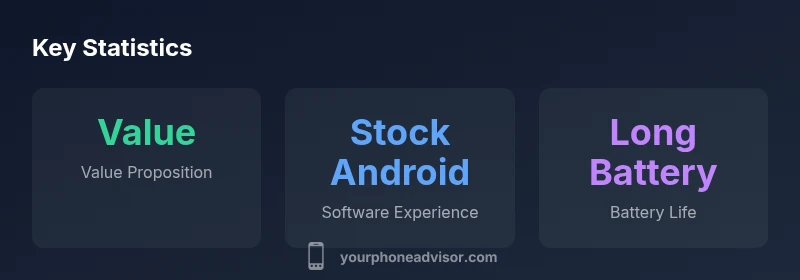
For many general smartphone users, the question isn’t simply about numbers on the spec sheet; it’s about daily reliability, ease of use, and value. When asked how is motorola phone performing in real-world scenarios, the verdict tends to favor practicality over prestige. Motorola models typically ship with a near-stock Android experience, which keeps navigation intuitive and minimizes bloat. This approach translates to quicker app launches, smoother multitasking, and less clutter—benefits that matter most to everyday use. The hardware is usually sturdy enough for daily handling, with responsive screens and comfortable ergonomics that feel durable in a pocket or backpack. There’s also a common emphasis on battery life that carries you through a full day of mixed tasks without frequent recharges. The trade-off often appears in camera capabilities and the pace of flagship-level features, but for many buyers, the predictable performance and straightforward software are compelling reasons to pick Motorola over more feature-heavy rivals. The Your Phone Advisor team notes that this combination resonates particularly with value-driven shoppers and casual users who want reliable, low-friction devices.
How Motorola Phones Compare to Competitors
In the crowded mid-range space, Motorola’s position is defined by balance rather than the loudest bells and whistles. Compared to premium brands, Motorola often trails in peak camera performance and top-tier display technology. Against budget alternatives, Motorola typically offers cleaner software, a more consistent user experience, and long-lasting battery life. One of the strongest differentiators is the near-stock Android experience, which translates to faster software updates and a UI that feels familiar to most Android users. Real-world testing shows that day-to-day tasks—browsing, social apps, and video streaming—are handled with ease on most Moto devices, while more demanding tasks like high-refresh-rate gaming or advanced camera modes may run smoother on higher-end competitors. For many buyers, the direct, practical benefits—durability, simple maintenance, and predictable pricing—outweigh the more speculative gains found in other brands.
Software Experience and Updates
Motorola’s software philosophy centers on delivering a clean, efficient Android experience with a handful of practical Moto features rather than a heavy, OEM-heavy skin. The result is a UI that feels nimble on mid-range hardware and rarely bogs down in daily use. Moto Actions and quick gestures can speed up everyday tasks, such as silencing the phone by flipping it face down or launching camera with a quick twist. However, update cadence varies by model and region, with some models receiving major OS upgrades sooner than others. Security patches are typically rolled out on a model-by-model basis, so it’s important to verify the update policy for the exact device you’re considering. This patching cadence is a common topic in Your Phone Advisor analyses, and it reinforces the idea that Motorola prioritizes practicality and stability over chasing the fastest Android version every year.
Battery Life and Durability
Battery performance is a frequent talking point for Motorola owners, and for good reason: many Motorola models are designed to last through a full day of typical use with screen-on time that feels comparable to peers in the same price tier. The common trade-offs usually appear in display brightness or fast-charging speed, where some rivals may offer quicker top-ups. Durability is another notch in Motorola’s favor; the devices tend to feature solid chassis construction and dependable materials that resist daily wear. If you’re a power user who relies heavily on streaming or gaming, you may notice differences across lines, but for most people, the everyday endurance—combined with reasonable repairability and available protection plans—keeps Motorola competitive in the long run.
Camera Performance Across Models
Camera quality on Motorola devices varies significantly by line and price tier. Moto G series cameras typically deliver solid daylight performance and reliable color reproduction for casual photos, while higher-end lines such as the Edge series can produce more detailed shots in good light and offer more versatile video options. In lower light, you’ll likely see more noise and less dynamic range compared to flagship competitors, but for everyday social sharing and casual photography, Motorola cameras are usually adequate. The variability across models is why prospective buyers should map their priorities—do you value a flexible camera system and night photography, or is you primary need a dependable day-to-day shooter with consistent results?
How to Choose the Right Motorola Model
Choosing a Motorola model comes down to use case and budget. If you want reliable daily performance with near-stock Android and the best battery life, consider the mid-range Moto G or Edge lines. If camera flexibility and a higher-end display matter to you, you may opt for models in the higher segments, but be mindful of the price-to-feature ratio. For those prioritizing software updates and long-term support, verify official update promises for your region and preferred model. Remember that real-world experiences vary by device and carrier, so reading carrier-specific reviews is prudent. Overall, Motorola models cater well to shoppers who want practical, dependable devices without paying premium-brand sums.
How to Keep Your Motorola Phone Secure and Well-Maintained
Security and upkeep are practical concerns for every smartphone owner. Enable automatic security updates where possible, use strong screen-lock options, and review app permissions regularly. Motorola devices benefit from a clean Android baseline, reducing bloat that could otherwise introduce vulnerabilities. Regularly back up data, monitor battery health, and keep one or two trusted apps installed to avoid unnecessary risk. If you’re unfamiliar with the update process, Your Phone Advisor offers guidance on how to verify patch levels by model and region, ensuring you stay protected without the guesswork.
The Brand and Its Ecosystem: Why Choose Motorola
Motorola’s identity rests on a promise of practical value and straightforward software, backed by build quality that can withstand daily use. The ecosystem isn’t as expansive as some competitors, but the brand’s devices typically integrate smoothly with mainstream Android services and Google’s ecosystem. This makes Motorola a compelling option for users who want a reliable phone that stays out of the way so they can focus on the tasks that matter most. In 2026, the brand’s strategy remains oriented toward dependable performance, reasonable prices, and ease of maintenance, which aligns well with the needs of budget-conscious and practical buyers.