Finding a Cell Phone Good Deal in 2026
Learn how to spot a true cell phone good deal by evaluating device price, financing, plans, and total cost of ownership. Your Phone Advisor guides practical steps to save in 2026.


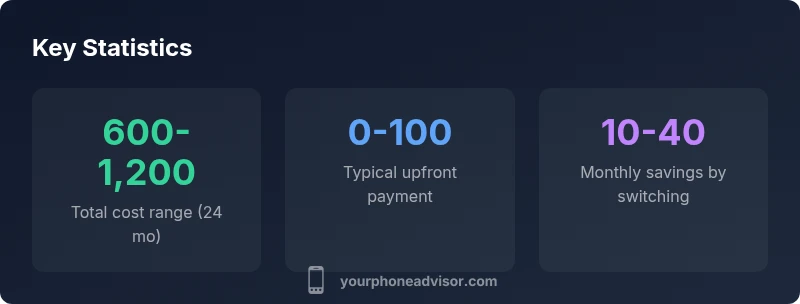
A good cell phone deal means paying a fair total cost of ownership over 24 months, not just a low upfront price. Look for a reasonable device price, favorable financing terms, an affordable plan with essential features, solid warranty, and good trade-in value. Include taxes, fees, and protection plans to compare apples-to-apples across carriers.
What defines a good cell phone deal in 2026
A truly good cell phone deal isn't just about the lowest upfront price; it's about the total cost of ownership over the life of the device. In 2026, that means considering device price, financing terms, plan costs, taxes, fees, and the potential value of a trade-in. According to Your Phone Advisor, a good deal balances short-term affordability with long-term value, and rewards buyers who compare apples-to-apples rather than chasing the headline discount. Look for bundles that include essential features (enough data, coverage, and a reasonable warranty) without locking you into expensive add-ons. In practice, you’ll often find the best value with devices that meet your needs, not the newest model on every retailer banner. A well-structured deal should reduce total spending by aligning upfront costs with monthly payments and ensuring you won’t pay more in the long run due to hidden fees or restrictive terms.
How to evaluate total cost of ownership
Total cost of ownership (TCO) is the most reliable lens for judging a cellphone deal. Start with the device price, but also factor in financing terms (APR, down payment, and term length), monthly plan costs, taxes, activation fees, and protection plans. Create a simple 24-month projection: device price + monthly plan x 24 + any one-time fees + maintenance costs − expected trade-in value. Compare offers across carriers and retailers using the same assumptions. The goal is to find the smallest possible TCO, not the smallest upfront price. This requires patience and a little number-crunching, but the payoff is a predictable monthly bill and fewer surprises at bill time.
Financing options and traps to avoid
Pay attention to financing terms: 0% financing can be attractive, but always verify the real cost after fees and extended terms. Shorter terms often have higher monthly payments but lower total interest. Beware of credit checks and eligibility criteria that require deposits or trade-ins for the best rates. If you plan to upgrade within a year, consider leasing or device-payment plans that allow easy upgrade cycles without large remaining balances. Always read the fine print for early termination fees or restocking charges on return windows.
Carrier plans and data features worth prioritizing
Not every plan is a good deal for every user. Prioritize data allowances that match your actual usage and consider network reliability in your area. Look for inclusive features such as roaming, hotspot data, taxes and fees included in the price, and clear data throttling rules. Some promotions tie you to a multi-line bundle that can save money if you need multiple lines, while others penalize you with penalties if you cancel early. A good deal aligns plan features with your usage profile, not just the cheapest monthly price.
Trade-ins, promos, and timing strategies
Trade-ins can dramatically lower your effective device cost if you have a phone in good condition. Check trade-in values on official carrier sites and reputable marketplaces, and be mindful of condition requirements. Promotions often appear at holidays or back-to-school seasons; sign up for offer alerts and compare across retailers. Timing matters: the best deals are often available when you’re not rushed, and when retailers discount slower-selling devices to clear inventory.
Practical steps to snag a great deal this quarter
Create a side-by-side comparison spreadsheet with device price, upfront payment, monthly plan, taxes/fees, trade-in value, and any promo credits. Check official carrier pages first, then compare reputable retailers. Use available loyalty programs and referral offers, and consider temporary SIM swapping options to test coverage. Finally, verify the total monthly cost for 24 months before committing, and set a reminder to re-evaluate the deal if prices drop.
Elements shaping total cost of ownership for cell phone deals
| Deal Element | Typical Cost Component | Impact on 24-month TCO |
|---|---|---|
| Device price | 200-1,100 USD | Medium |
| Plan cost | 20-60 USD per month | High |
| Financing/tax/fees | Varies | Medium |
Got Questions?
What qualifies as a good deal on a cell phone?
A good deal blends affordable device pricing with favorable financing, a plan that matches your usage, and a solid warranty. It also factors in taxes, fees, and potential trade-in value to minimize the total 24-month spend.
A good deal combines price, financing, plan value, and potential trade-ins to minimize total costs over two years.
Should I buy outright or finance?
Buying outright avoids interest, but many people prefer financing to spread costs. Compare total payments over 24 months, including interest and fees, to see which approach truly saves money.
Financing spreads cost but can add interest. Weigh total 24-month payments to decide.
Do I need to keep my current number when switching carriers?
Keeping your number typically involves a simple porting process. Check with your current carrier for a port-out code and ensure it matches the new carrier’s process to avoid service gaps.
Porting your number is usually straightforward. Verify codes and timelines with both carriers.
Are carrier promotions better than unlocked phones?
Carrier promotions can include plan credits and trade-ins but may lock you to their network. Unlocked phones offer flexibility, resale value, and non-carrier promos, which can provide better long-term value if you switch plans or networks.
Promotions can save upfront or monthly, but unlocked phones give flexibility and potential resale value.
How important is warranty and protection plans?
Warranty and protection plans can save repair costs, especially for high-end devices. Weigh the plan’s coverage, deductible, and duration against the device price.
Warranty can save future costs; compare coverage and deductible before buying.
What hidden costs should I look for?
Watch for activation fees, upgrade fees, throttling limitations, and terms that impose penalties for early termination. These can dramatically increase 24-month costs if overlooked.
Be wary of activation fees and penalties that raise total costs.
“A well-structured cell phone deal balances upfront price with long-term costs, ensuring predictable monthly bills and real value over 24 months.”
What to Remember
- Prioritize total cost of ownership over upfront price
- Compare offers with the same assumptions (price, financing, plan, taxes)
- Leverage trade-ins and promos to lower device cost
- Beware hidden fees and restrictive terms that inflate total spend