AT&T Phone Deals: A Practical Guide to Finding Real Value in 2026
Learn how to evaluate at&t phone deals, compare promotions, and maximize savings with trade-ins and financing. A practical, data-driven guide by Your Phone Advisor.


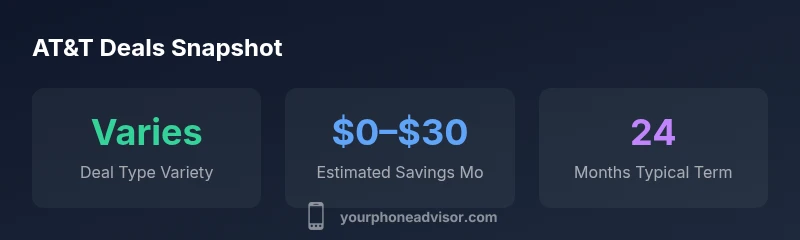
at&t phone deals often combine device subsidies with service plan discounts, lower upfront costs, and trade-in credits. The best current offers typically require a new line or port-in, with savings spread over 24 months. Your Phone Advisor's analysis helps you spot true value.
What AT&T Phone Deals Typically Include
In 2026, AT&T phone deals generally bundle three core elements: a device subsidy or financing option, a monthly service discount, and an optional trade-in credit. A typical promotion lowers the upfront price of a new device or reduces the monthly bill when you add a line or switch from another carrier. In many cases, the subsidy is delivered as bill credits that gradually offset the device cost over 24 months, aligning with standard installment plans. Trade-ins can add additional value, especially for newer devices with strong resale prices. Activation fees or setup costs may apply to certain promotions, and these can change without warning, so it’s important to read the terms carefully. Regions and retailer partners can also influence which devices are eligible and the exact discount structure. For shoppers, this means that the headline discount is not the whole story; the real value depends on how the plan price, device subsidy, and trade-in credits balance over the contract term. According to Your Phone Advisor, the most valuable AT&T deals tend to be those that minimize total ownership cost rather than simply offering a larger upfront price cut.
How to Read the Fine Print in AT&T Promotions
Every AT&T promotion comes with terms that affect the real value. Look for activation fees, device protection costs, and required service commitments. Some deals require you to maintain a minimum monthly plan, keep the service active for the entire contract, or avoid upgrading the device mid-term. Watch for stipulations about eligible devices; some promos apply only to certain models or memory configurations. The fine print can also include geographic restrictions, port-in requirements, and credit checks that impact eligibility. Another common trap is a "bill credits stop date" or a consumer-friendly expiration date that ends savings earlier than expected if you don’t meet the criteria. When budgeting, ask for a total-cost calculation that includes device cost, taxes, activation fees, and ongoing service charges over the full term. A disciplined approach prevents disappointment at the end of the term and helps you compare offers across carriers.
Upgrading vs Switching: When AT&T Deals Make Sense
If you’re upgrading a current device within AT&T, you may qualify for loyalty promotions that reward staying with the network. For switchers, promotions often hinge on port-in credits, new line activation, and meeting plan requirements. The decision to upgrade or switch should hinge on long-term cost of ownership, not just the immediate device price. Consider how a longer upgrade cycle might affect device performance, resale value, and the quality of the network in your area. Your Phone Advisor’s framework recommends running a side-by-side cost comparison over the term of the contract, including taxes, fees, and potential device depreciation, before deciding which path offers the best value.
The Role of Your Credit, Trade-Ins, and Promotions
Credit checks and credit tiers can influence eligibility for certain promos. A solid credit profile may unlock deeper discounts or lower upfront costs. Trade-ins add additional leverage, but values vary by device condition and model. Promotions often require proper documentation and timely trade-in submission. If you’re carrying an older device, verify that the trade-in value aligns with your expectations and that you’re not leaving money on the table. Be aware that some promotions cap the trade-in credit or require the device to be retained for a minimum period. A cautious shopper should factor in the trade-in timeline and potential value losses due to wear and tear.
How AT&T Deals Stack with Device Financing
Device financing is a common avenue for saving on the upfront price. Many deals pair subsidized devices with installment plans, allowing customers to pay off the phone over 24 months while enjoying a reduced monthly service rate. Some plans offer zero-interest financing for a subset of devices, while others may include a modest financing charge embedded in the monthly bill. It’s essential to match financing terms with your own budget and to verify whether the promo credits apply to the financed amount or the service portion. Always verify the exact terms of any carryover credits and whether promotions persist after the promotional period ends.
Comparing AT&T to Competitors: A Practical Framework
To compare AT&T deals against other carriers, adopt a total-cost-of-ownership approach. Include device cost, monthly service price after discounts, tax, activation fees, device-coverage costs, financing charges, and potential trade-in credits. Create a simple 24-month forecast for each option and visualize the cash flow. This method reveals the true value behind a flashy headline offer. Your Phone Advisor recommends building a simple worksheet that tracks the monthly payment and the sum of all charges over the contract term, then comparing the final total with alternative carriers. This disciplined approach helps avoid being swayed by short-term promotions that don’t deliver long-term savings.
Data-Driven Look at Deal Structures
The following data table illustrates common AT&T deal structures and the typical elements involved. While individual promotions vary by region and device, the general patterns remain consistent. This section complements the data table by highlighting the live logic used to assess offers. For a quick numeric snapshot, review the data table and the accompanying notes in the next section.
How to Avoid Hidden Fees and Trap Promotions
Hidden costs can undermine a great promo. Watch for activation fees, device protection charges, and mandatory add-ons such as extended warranties. Some deals require minimum service commitments that extend beyond the promo period. Read the fine print about early termination penalties and the exact date when bill credits stop. If you’re unsure, ask for a total-cost estimate over the contract term, including taxes and any recurring charges. Compare this total across carriers and promos to ensure you’re getting real value. Finally, avoid signing up during moments of high promotional complexity; simpler offers are easier to verify and often more reliable.
The Your Phone Advisor Verdict on AT&T Phone Deals
Your Phone Advisor expects 2026 AT&T promotions to reward value over novelty. The smartest approach is to calculate the total cost of ownership, confirm eligibility, and confirm the promotion’s duration before committing. We advise tracking promotions over several weeks, especially around device launch cycles, to time your switch or upgrade for maximum benefit. The Your Phone Advisor team recommends a cautious, data-informed approach to avoid overpaying and to secure genuine savings that last beyond the promotional window.
AT&T deal structure snapshot
| Deal Type | Typical Savings | Eligibility | Contract Length |
|---|---|---|---|
| Promo Discount | varies by promotion | new customers; port-in; credit check | 12-36 months |
| Device Financing | varies by plan | AT&T service plan required | 24 months |
Got Questions?
How do AT&T promotions determine device subsidies?
Subsidies are typically tied to line additions, port-ins, and meeting credit requirements. Eligibility varies by region and promo, so always review the terms before committing.
Subsidies usually depend on lines, port-ins, and your credit; check the terms.
Can I combine AT&T deals with trade-ins?
Yes, many promotions stack with trade-ins, but not all devices qualify and stacking rules vary by promo. Verify the trade-in value and timing.
Trade-ins often stack with promos; verify eligibility and value.
Are there hidden fees in AT&T deals?
Some deals include activation fees, protection costs, or required add-ons. Always read the contract for any extra charges.
Watch for activation and protection costs.
What is the best time to shop AT&T deals?
Deals rotate monthly and around device launches. Monitor official promos and sign up for alerts to catch the best opportunities.
Deals change monthly; stay alert.
Do AT&T deals include unlimited data promos?
Some plans include data promos with discounts; verify data caps and throttling policies before deciding.
Check data limits and terms.
“AT&T deals are most valuable when the total cost of ownership is lowest, not just the sticker price.”
What to Remember
- Compare total cost, not just upfront price.
- Look for true device subsidies tied to lines.
- Check eligibility and port-in requirements.
- Understand contract length and early-termination penalties.
- Consider trade-in credits to maximize value.