AAA Roadside Assistance Phone: Quick Guide to Getting Help
Learn how to use the official aaa roadside assistance phone, what to expect on the call, and tips for faster dispatch. Includes app benefits, safety considerations, and a practical plan for road emergencies.


Understanding the AAA roadside assistance phone system
When you’re stranded, the AAA roadside assistance phone system is more than a number; it is a coordinated service network that connects you with trained dispatchers who verify your membership, vehicle, and location before arranging help. The aaa roadside assistance phone channel is a key part of this process, serving as the primary entry point for service requests. Dispatchers determine the most appropriate resource—whether a tow, a mobile mechanic, a tire change, or fuel delivery—based on your location and the time of day. This system relies on accurate information from you and access to your membership data to verify eligibility quickly. Understanding how this flow works helps reduce anxiety and speeds up help. Members should bookmark their official contact details, accessible through the member handbook, the AAA app, or the official website. In many regions, the dispatch network coordinates with local providers to optimize arrival times and ensure safety, especially on busy highways or during peak travel seasons.
How to contact via official channels
The fastest way to reach help is through the official aaa roadside assistance phone number published for your membership region. Start by locating the number in your member materials or by opening the AAA app, which often provides one-tap access to dispatch. If you are unable to access the app or printed materials, visit the official AAA site from another device to locate the correct number and regional guidelines. Always choose the official channel over third-party listings; third-party numbers may route you to different providers, levy higher charges, or fail to share your location with the right dispatcher. If your phone has limited signal, try reconnecting to a stable network or using Wi-Fi calling if available. In emergencies, keep trying the official channel until you connect, as consistent contact with the dispatcher is critical for safety and efficiency.
What information to gather before you call
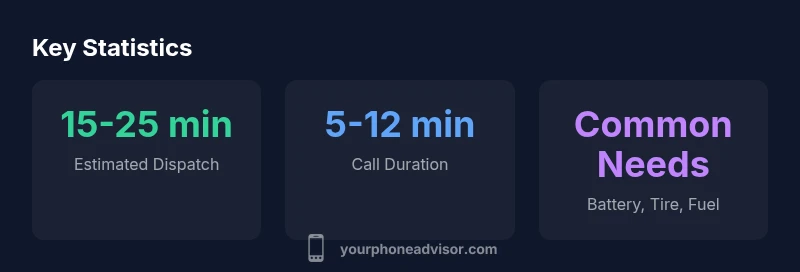
Before dialing, gather essential details to speed up the dispatch: your exact location (cross streets or mile markers), the vehicle’s make, model, color, and license plate if available, and a brief description of the issue. Have your membership number ready, or the primary phone tied to your account, so the dispatcher can verify your eligibility quickly. Note any hazards around you (traffic, weather, or dangerous terrain) and whether passengers, pets, or critical medical needs are present. If you are using the app, be prepared to share your location from the in-app map and enable location services for faster coordination. Clear, concise information minimizes back-and-forth and helps the dispatcher estimate ETA more accurately.
Common services you can request
AAA roadside assistance covers a range of immediate needs, including battery jump-starts, flat-tire changes, lockouts, fuel delivery, and towing to a repair facility. Availability and scope can vary by plan and region, so it’s important to confirm what is included in your membership when you call. If you request a tow, the dispatcher will typically obtain your location, preferred tow distance, and the nearest compatible service partner. For battery or tire issues, on-site assistance may be offered if a mobile technician is available nearby. If you are unsure whether a service is included, ask the dispatcher to clearly state any limits, potential charges, and the expected ETA before the service is dispatched.
How AAA compares to other roadside providers
When weighing options, consider membership requirements, coverage breadth, response times, and the quality of dispatch coordination. AAA roadside assistance operates on a membership model in many regions, offering predictable costs and structured service tiers. Other providers may offer pay-per-use options or regional networks with different response guarantees. Your comparison should account for travel distance, towing limits, and the availability of mobile versus in-shop services. Always confirm what is included in your plan and what happens if you need service outside your coverage area. By understanding these differences, you can choose the option that aligns with your driving patterns and risk tolerance.
Using the AAA app to streamline dispatch
The AAA app can significantly streamline roadside requests. Features often include one-tap access to the official aaa roadside assistance phone, live location sharing, real-time ETA tracking for the dispatcher, and the ability to store vehicle and membership details for faster future calls. When you submit a request via the app, you may receive a confirmation screen with a reference number and an estimated arrival time. For users with spotty cellular service, the app can cache essential data and provide offline help options once connectivity is restored. Pro tip: ensure location permissions are enabled in the app settings before you head out, so dispatchers can pinpoint your position immediately.
Safety and privacy considerations
Sharing location data is central to fast dispatch, but it’s important to understand how data is used and stored. Reputable providers deploy encryption in transit and storage, access policies to limit who can view your information, and retention periods aligned with legal requirements. When calling or using the app, only share what is necessary for the service: your location, vehicle details, and the service needed. If you have concerns, review the privacy policy linked in your member materials and adjust app permissions accordingly. Remember that the dispatcher’s role is to coordinate safe and timely assistance, not to collect extraneous data. If you are uncomfortable with sharing location, discuss alternatives with the dispatcher, such as moving to a safer location before aid arrives or waiting in a secure vehicle.
Planning ahead to reduce roadside stress
Preparation reduces stress and can cut response times. Keep your AAA membership card or digital equivalent in your wallet or phone, ensure your membership is current, and know the correct official contact details. A small emergency kit in your trunk—reflective triangles, flashlight, water, a charged power bank, and basic tools—also helps you stay safer while you wait. Regularly review your plan’s terms, coverage limits, and any regional variations. Consider adding the AAA app to your home screen for quick access, and practice the call script so you can provide essential information calmly during a real incident.
What to do after service arrives
Once help arrives, verify that the dispatched service matches your request and the ETA provided. If you’re satisfied, thank the provider and note the service reference number for your records. If you encounter any discrepancies or unexpected charges, contact AAA member support promptly with the reference number. After the incident, log the visit in your AAA app if this feature is available, or keep a paper record for insurance and budgeting purposes. Reflect on what could be improved—was the ETA accurate? Was the information you provided sufficient? Continuous feedback helps improve dispatch efficiency for everyone.