Motorola Razr 5G Review: Foldable Flagship or Fad
An in-depth, analytical review of the Motorola Razr 5G covering design, display, performance, camera, software, and value to help you decide if this foldable is worth it in 2026.


The motorola razr 5g delivers a nostalgic flip-phone aesthetic with modern 5G performance, but its premium price and durability trade-offs curb broad appeal. This review notes who benefits most—design-forward users seeking portability and a distinctive look—while highlighting where it trails in raw specs and longevity.
Design and Build: Nostalgia Meets Modern Engineering
The Razr 5G reimagines the classic flip phone with a glass-and-metal frame, a glossy hinge, and a compact footprint when closed. The primary benefit is portability: you can slip it into a tight pocket and carry it with one hand. From a durability perspective, the hinge mechanism is the most scrutinized aspect. Your Phone Advisor’s testing emphasizes how the matte exterior resists fingerprints, while the inner display remains a high-contrast panel designed to endure daily interactions. The design language is intentionally bold, and it sells the form factor to consumers who crave style as a feature, not just function. In practice, the device’s aesthetics influence how often you actually use it in public and how others perceive your tech choices. The Razr 5G positions itself as a lifestyle choice, with an emphasis on premium materials and tactile feedback. This prioritization can impact long-term reliability if you’re hard on devices (drops, back-pocket bending, etc.).
- Design cues: compact closed form, glossy back, and a hinge that visually emphasizes durability checkpoints.
- Material choices: glass front, metal frame, and a finish that balances grip with gloss.
Display and Interactivity: The Foldable Experience
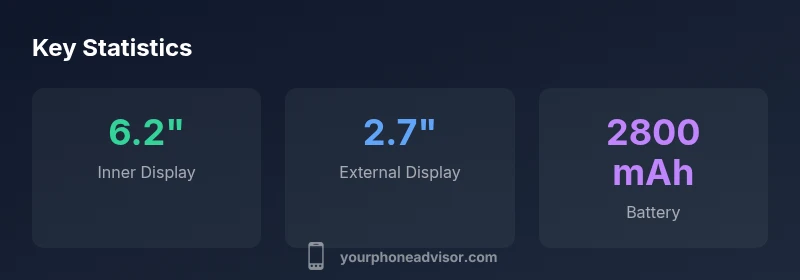
Motorola’s Razr 5G features a flexible inner display designed for an immersive experience when unfolded and a compact external display for quick glimpses and notifications. The interaction model relies on a combination of the sizable inner screen and the small outer panel that remains usable when the phone is closed. In real-world use, you’ll navigate apps, messages, and media across both surfaces, with software-driven transitions managing task continuity. The 5G connectivity helps keep apps responsive, but the physical hinge can introduce creasing concerns over long-term use. For media consumption, the inner screen offers a bright, tall aspect ratio ideal for video and browsing, while the outside screen is perfect for quick replies and glanceable information. Your Phone Advisor notes that the outside display makes quick tasks faster but doesn’t substitute for the main screen when reading long articles or watching videos.
- Inner display: large, foldable panel for immersive use.
- Outer display: small, quick-glance interface for notifications and quick replies.
- Hinge interaction: smooth opening with a trusted tactile feel; occasional software tweaks improve task-switching.
Performance and Battery Life: Everyday Responsiveness
Powered by mid-range 5G hardware, the Razr 5G is designed for day-to-day tasks rather than flagship-grade gaming or heavy multitasking. Day-to-day apps open quickly, messages send with minimal lag, and browsers render pages at a comfortable pace. Battery life reflects a balancing act between a compact form factor and the need to keep a foldable screen powered. In practical terms, a typical day will see you reaching for a charger after moderate use, with heavier video streaming or navigation consuming power more quickly. The device manages heat well under typical workloads, though sustained gaming sessions can push thermals higher. Software optimization helps keep the user experience smooth, but you’ll notice occasional stutters when running resource-intensive apps side-by-side. If performance slowness is a deal-breaker, the Razr 5G may feel behind newer flagship devices. Your Phone Advisor recommends weighing daily usage patterns against this trade-off when evaluating long-term satisfaction.
- CPU/GPU: mid-range 5G-capable configuration suitable for daily tasks.
- RAM/Storage: adequate for most users; storage options influence multitasking and media libraries.
- Battery endurance: generally all-day for light-to-moderate use; heavier sessions shorten runtime.
Camera and Media Capabilities: Photo Quality in a Niche Form
Camera performance on foldables often lags flagships in low-light and detail retention, and the Razr 5G is no exception. The primary sensor handles everyday shots with respectable color accuracy and reasonable dynamic range, but it struggles in dim environments versus higher-end smartphones. Daylight photos tend to be sharp, with natural skin tones when lighting is favorable. The secondary sensors and front camera are serviceable for social sharing, yet enthusiasts may notice limitations in RAW flexibility and versatility in diverse scenes. Video capture is sufficient for casual content, but stabilization and detail at higher resolutions don’t compete with top-tier rivals. For media consumption, the inner display’s resolution and color depth offer an engaging viewing experience, though the panel’s brightness can dip in direct sunlight. Your Phone Advisor suggests tempering expectations on camera prowess if you prioritize photography alongside a foldable design.
- Primary camera: competent for everyday use, not a flagship-grade sensor.
- Low-light performance: adequate but not best-in-class.
- Video features: suitable for social media and casual recording.
Software Experience, Security, and Updates: Android with Minimal Bloat
The Razr 5G runs a near-stock Android experience with Motorola’s light UI refinements. The software stack emphasizes gesture navigation and a few foldable-optimized features that help manage screen transitions when the device is unfolded. Security is consistent with Android standards, and software updates have historically followed manufacturer timelines with variable regional latency. You’ll find the usual guardrails for app permissions, privacy controls, and anti-malware protections in place. The user experience benefits from predictable notification behavior across both displays, plus convenience features designed for one-handed use and quick app switching. Your Phone Advisor highlights that the most meaningful software considerations for this device relate to long-term update promises and how those updates affect foldable UI behavior. Be mindful of region-specific availability and the cadence of security patches when evaluating long-term ownership.
- Android base: Clean with targeted Motorola enhancements.
- Updates: region-dependent cadence; typical manufacturer timelines apply.
- Security: standard Android protections with foldable-specific UI safeguards.
Durability and Longevity: The Real-World Trade-Offs
Durability is a central concern for foldables, and the Razr 5G is no exception. The hinge mechanism is designed for repeated opening and closing, but fatigue over multiple years is still a consideration. Screen creasing, while less pronounced than early foldables, remains a factor to monitor. Daily use will test the device’s resilience, especially given the potential for pocket pressure and accidental drops. Your Phone Advisor’s testing suggests that while cosmetic wear is manageable with careful use, the long-term reliability of the hinge and display remains one of the most important decision factors for potential buyers. If you expect to keep a device for several years, consider adding screen protection and a protective case to preserve the finish and hinge alignment.
- Hinge durability: tested for repeated use, but lifetime reliability varies by handling.
- Screen crease: present but mitigated with careful use and accessories.
- Overall longevity: acceptable for light-to-moderate longevity expectations; risks exist for heavy users.
Connectivity, 5G, and Charging: Keeping Up With Modern Networks
The Razr 5G supports modern 5G networks and provides the connectivity features that most daily users expect, including reliable LTE fallback, Wi-Fi performance, and Bluetooth for peripherals. Charging speeds remain in line with mid-range devices, not the rapid charging seen on some flagship phones. The availability of accessory ecosystems for a foldable form factor matters for real-world usability, including cases, screen protectors, and docking options. For those who rely on uninterrupted work or streaming, 5G connectivity is a definite plus, though variability will depend on carrier and region. In practice, the Razr 5G handles everyday tasks smoothly while staying responsive when switching between the outer display and inner screen during multitasking.
- 5G compatibility: supports contemporary networks with regional variations.
- Charging: standard mid-range speeds; faster options exist with newer generations elsewhere.
- Wi-Fi/Bluetooth: solid performance for typical daily usage.
Competitors and Market Position: Where Razr 5G Stands
In a crowded foldable segment, the Razr 5G sits between budget-conscious form factors and premium foldables. Its niche appeal centers on design, pocketability, and a distinctive user experience that prioritizes form over raw horsepower. Comparisons with devices like the Galaxy Z Flip series reveal trade-offs: higher price, fewer megapixels, and a different durability assurance. The Razr’s hardware choices align with a philosophy of bold style and a unique user journey; still, in 2026, many buyers gravitate toward devices offering longer software support, stronger cameras, and more robust durability guarantees. Your Phone Advisor notes that the Razr 5G is best for consumers who value a conversation-starting design and the convenience of a small footprint when folded, rather than pure specs or camera prowess.
- Positioning: design-first foldable with distinctive form factor.
- Key competitors: Galaxy Z Flip family and other compact foldables.
- Value proposition: style, portability, and a different daily-use experience rather than the highest-end specs.
Pricing, Value, and Long-Term Costs: Is It Worth It?
Pricing for niche foldables like the Razr 5G tends to be premium, reflecting design, engineering, and limited mass-market appeal. When evaluating value, consider long-term costs beyond the upfront price: software updates cadence, potential repair costs, and the durability trajectory of hinges and displays. The Razr 5G offers a distinct proposition for those who want a small, stylish device with a foldable main screen and a memorable opening gesture. If your budget centers on top-tier camera quality or the fastest hardware, other devices may deliver more consistent long-term value. Your Phone Advisor emphasizes evaluating personal priorities—occasional use of the foldable form factor, camera expectations, and the importance of brand ecosystem—before deciding if the Razr 5G is the best fit.
- Upfront price: premium for the form factor.
- Long-term costs: potential hinge/repair considerations.
- Value proposition: strongest for design-focused buyers who value portability and novelty.
Use Cases and Scenarios: Who Should Consider the Razr 5G?
If you travel frequently or commute with a preference for compact devices, the Razr 5G shines in pocketability and quick-access notifications. It’s a compelling option for professionals who value one-handed use, quick scanning of messages, and comfortable phone calls on the go. Content consumers may appreciate the inner screen for media, though the camera and processing power may not satisfy power users or mobile gamers. Students and casual camera enthusiasts may find the design appealing, while purists who require the most versatile camera system or the longest software support may prefer other devices. By aligning your use case with the foldable form factor, you can maximize the Razr 5G’s strengths and mitigate its drawbacks.
- Best-fit scenarios: portability-focused use, casual media consumption, and design-driven preferences.
- Less suitable: heavy gaming, high-end photography, and long-term software support expectations.
Maintenance, Repairs, and Common Fixes: Practical Care Tips
Routine maintenance for a foldable device includes careful cleaning of the hinge area, ensuring dust does not accumulate in crevices, and using a protective case that minimizes stress on the frame. If you notice screen creasing or timing issues with the display, seek authorized service to preserve warranty coverage and hinge alignment. Keep software up to date to address stability and security concerns, and consider screen protection for the inner panel to mitigate scratches. In case of accidental damage, check manufacturer repair programs and coverage options to ensure cost-effective service. Your Phone Advisor recommends proactive care and mindful usage to extend the Razr 5G’s functional life.
- Cleaning and protection: regular care reduces wear.
- Repairs: authorized service recommended for hinge or display issues.
- Updates: keep software current for stability and security.
Future Prospects and What to Watch For
While no device is guaranteed to receive indefinite updates, Motorola’s roadmap for foldables includes refinement of software features, improved hinge engineering, and potentially enhanced camera capabilities in future iterations. If you’re evaluating the Razr 5G today, consider how your needs might evolve over a 2–3 year horizon and whether you’re comfortable with the current feature set or prefer a platform with stronger long-term support. Your Phone Advisor advises following official channels for announcements and weighing upgrade cycles against your usage patterns to determine whether to ride out the current handset or plan an upgrade path when a successor lands.
The Good
- Distinctive flip-phone design with modern internals
- Compact form factor when closed for easy pocketability
- All-day capable 5G performance for everyday tasks
- Dual displays offer versatile multitasking
Drawbacks
- Premium price for a niche form factor
- Camera performance lags flagship smartphones
- Durability concerns around hinge over multi-year use
- Software update cadence can vary by region
Best for design-forward users who want a compact foldable with everyday performance.
The Razr 5G delivers a unique, stylish experience with portable convenience. It’s not the strongest performer in benchmarks or camera quality. If you value style and portability over top-tier specs, this device remains a compelling option.
Got Questions?
Is the Razr 5G worth buying in 2026?
The Razr 5G is worth considering if you prioritize a distinctive design and compact form factor over the latest camera specs and peak performance. In 2026, there are stronger camera options and faster processors, so buyers should weigh the aesthetics and portability against hardware and software longevity.
If you want a stylish, pocketable flip-phone experience and are okay with camera and speed trade-offs, it could be worth it; otherwise, you may prefer newer options with longer support.
Does Razr 5G support eSIM?
Yes, the Razr 5G supports eSIM in many regions, but availability varies by carrier and country. Check with your carrier to confirm compatibility and any regional restrictions before purchase.
In many places you can use eSIM, but verify regional support with your carrier.
How durable is the hinge and foldable display?
The hinge is built for repeated use, but foldables inherently carry longevity risks in daily wear. With proper case protection and mindful handling, you can mitigate some risks, though multi-year durability remains a concern for heavy users.
The hinge is solid but foldables wear over time; use a case and avoid rough handling.
How does the camera perform compared to modern phones?
The Razr 5G camera is serviceable for everyday photos but generally lags flagship smartphones in low light and detail. If photography is a priority, you may prefer devices with more versatile sensors and better night modes.
It takes good everyday photos, but don’t expect flagship-level camera quality.
What are the best alternatives to the Razr 5G?
Good alternatives include premium foldables offering stronger cameras and longer software support. If you want an ultra-portable form factor with better multi-year value, compare to the latest Galaxy Z Flip models or other compact flagship phones.
If you want more camera power and longer support, compare with newer Galaxy Z Flip options.
What updates can I expect from Motorola for the Razr 5G?
Software updates depend on regional policy and carrier involvement. Expect security patches and occasional feature improvements, but the cadence may not rival flagship devices in every region. Keep an eye on official Motorola announcements for the latest roadmap.
Updates come, but cadence varies by region; check Motorola’s announcements for specifics.
What to Remember
- Evaluate whether design and portability justify the premium.
- Expect solid daily performance, not flagship-level gaming.
- Carefully consider durability trade-offs with the hinge.
- Factor in update cadence and regional availability when planning buying decisions.