Dont Touch My Phone Wallpaper: Secure Your Lock Screen
Discover practical steps to protect your wallpaper and keep others from changing it, boosting your phone privacy and overall device security. Learn OS-specific tips, avoid common mistakes, and test your settings for lasting wallpaper integrity.


Dont touch my phone wallpaper is about keeping your lock screen imagery secure and restricting who can alter it. This guide shows practical, device-agnostic steps to protect wallpaper changes, reinforce privacy, and maintain a consistent, personal look across your smartphone. You’ll learn why it matters and how to implement protections today.
dont touch my phone wallpaper: Why it matters for privacy and security
Protecting your wallpaper is a small but meaningful part of personal device security. A wallpaper can reveal personal tastes, locations, or routines when viewed casually, and in some cases patterns or metadata linked to your images can expose more than you intend. The phrase dont touch my phone wallpaper signals a desire to keep personalization private and maintain control over how your device presents itself. In this section, we’ll cover how wallpaper choices intersect with privacy, and why keeping this control helps prevent social engineering or casual snooping. By understanding the risk surface, you’ll be better prepared to safeguard your screen experience without impacting usability or style. Your Phone Advisor emphasizes that privacy is a layered practice, and wallpaper protection is an easy, low-cost habit to adopt.
Key idea: protecting wallpaper is part of a broader security mindset, not a standalone feature. If you share devices with family or colleagues, implementing simple controls now can prevent later headaches and unintended exposures.
How wallpaper access can relate to device security
Wallpaper settings are usually tucked inside the broader display and personalization menus. While changing a wallpaper isn’t a direct security threat like malware or password leakage, the ability to alter the lock screen and home screen can indicate how much access others have to your device. On many phones, wallpaper changes require unlocking the device, access to the Settings app, or permissions that could be misused in a social-engineering attempt. Keeping tighter control over who can reach wallpaper settings adds a layer of friction for opportunistic intruders and helps you maintain a consistent first impression when the phone is handed to someone else.
From a privacy standpoint, consider the imagery you display. A photo taken in a public place or a private location can leak contextual details about your life. Using neutral or non-identifying images for wallpaper can reduce unintended exposure, especially if your device is shared or left unattended in public spaces.
Strategies to prevent others from changing your wallpaper
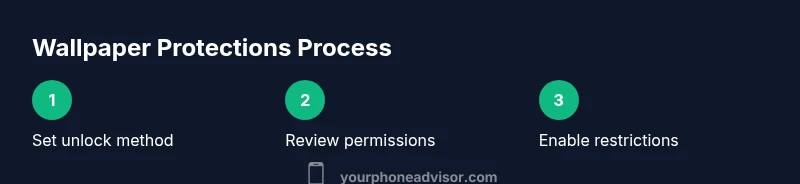
There are practical, OS-agnostic strategies you can apply now. First, ensure your device is locked with a strong passcode or biometric unlock, so wallpaper changes can only occur when you’re present. Second, leverage built-in restrictions or guest modes where available to limit access to Settings and wallpaper options. Third, consider enterprise or parental controls if you share the device with others and need centralized policy enforcement. Fourth, keep a consistent wallpaper that you restore quickly after any accidental or intentional changes. Finally, routinely audit devices you own or share to confirm wallpaper settings remain as intended. The goal is a simple, durable barrier—without sacrificing everyday usability.
Platform-specific tips: Android vs iPhone
On Android devices, you can typically restrict wallpaper changes by using a guest account or a restricted profile on shared devices, and you may find options within Digital Wellbeing or parental-controls settings that limit access to certain apps and settings. On iPhone, use Screen Time features to limit access to certain settings or apps, and enable a strong device passcode. Note that feature availability varies by OS version and device model. If you’re using a managed device (enterprise or school), an MDM profile can enforce wallpaper policies across multiple devices. Always test settings after enabling them to confirm changes are blocked as intended.
These platform-specific steps emphasize one principle: start with a reliable unlock method, then layer on restrictions that fit your use case and device.
Maintenance, testing, and common missteps
After implementing protections, test by asking a trusted friend to attempt to change the wallpaper while your device is secured. If changes succeed, revisit your restrictions and adjust. A common misstep is assuming one setting covers all scenarios; wallpaper controls may be bypassed if a user can access the launcher or a third-party app with elevated privileges. Keep your OS up to date, back up your preferences, and document your security settings so you can restore them quickly if needed. Finally, remember that wallpaper protection is a small but effective component of a broader security routine.
Tools & Materials
- Smartphone with updated OS (Android or iOS)(Ensure the device has the latest security patches installed)
- Strong unlock method (passcode/biometrics)(Use a long, unique passcode and enable biometric fallback only if necessary)
- Basic knowledge of device restrictions/parental controls(Could help in limiting wallpaper changes on shared devices)
Steps
Estimated time: 30-60 minutes
- 1
Set a strong device unlock
Choose a long passcode or robust biometric setup to thwart casual access. This is the foundational step; if unlocked, a wallpaper change becomes simple for any passerby.
Tip: Use a passcode that isn’t easily guessable from social media or public information. - 2
Review wallpaper access permissions
Navigate to your wallpaper settings and check which apps or profiles can request or alter the wallpaper. Disable or restrict any unnecessary permissions. This reduces the chance of wallpaper changes through third-party tools.
Tip: Note where wallpaper settings live on your device in case you need to re-check after OS updates. - 3
Enable a restrictive mode on shared devices
If your device is shared, enable a guest mode or restricted profile that blocks access to wallpaper settings. This creates a separate environment with controlled capabilities.
Tip: Always verify that the guest or restricted mode actually blocks wallpaper changes. - 4
Consider an MDM or parental-controls approach
For family or BYOD scenarios, a Mobile Device Management (MDM) profile or parental controls can enforce wallpaper policies across devices. Ensure you use reputable solutions and review policy scope before deployment.
Tip: MDM solutions are powerful; ensure you have admin rights and understand what they can restrict. - 5
Set a consistent wallpaper and backup plan
Choose a stable wallpaper you won’t change frequently and create a quick restore method so you can revert changes easily if needed. This helps keep your personal brand intact.
Tip: Document your preferred wallpaper path so you can restore it quickly after a temporary change. - 6
Test the controls and document results
After configuration, attempt to change the wallpaper yourself to confirm the protections work. If changes occur, review the steps and adjust settings.
Tip: Schedule a periodic re-check every few weeks to catch any drift or new app permissions.
Got Questions?
Can someone change my wallpaper without unlocking my phone?
On most devices, wallpaper changes require access to the home or lock screen. If the device is locked, altering wallpaper is typically not possible. If changes are occurring, review your unlock methods and restrictions.
Normally you need to unlock the phone to change the wallpaper, but check your device's restrictions if changes happen unexpectedly.
Does wallpaper security affect overall phone security?
Wallpaper security mainly protects privacy and user experience. It does not guard data encryption, but it helps prevent casual discovery of sensitive images and reduces opportunities for social engineering.
Wallpaper security helps privacy, but it’s not a substitute for encryption or strong authentication.
What features should I look for to restrict wallpaper changes?
Look for guest mode, restricted profiles, Screen Time/Parental Controls, and enterprise management options. Availability varies by OS and device.
Check for guest modes or restrictions in your OS and use parental controls if you share the device.
Is there a risk in using third-party wallpaper apps to enforce restrictions?
Third-party apps can introduce security risks. Use reputable sources, verify app permissions, and prefer built-in controls or enterprise solutions when possible.
Be cautious with third-party apps; stick to trusted methods or enterprise tools.
How often should I review wallpaper-related settings?
Periodically review wallpaper access and restrictions, especially after OS updates or device handovers.
Review your wallpaper settings after updates or if you share the device.
Can I revert changes automatically if wallpaper is changed?
Some workflows let you quickly revert to a preferred wallpaper, but automatic revert depends on device setup and available automation features.
Auto revert depends on your device features or automation rules; check available options.
Watch Video
What to Remember
- Enable a strong unlock method first
- Limit access to wallpaper settings on shared devices
- Use restrictions/MDM when appropriate
- Test protections and restore options regularly
- Wallpaper protection is part of broader device security