What Phone Does Marques Brownlee Use? A 2026 Data-Driven Look
Data-driven analysis from Your Phone Advisor on Marques Brownlee's phone choices. No single model dominates his workflow; he test-drives Android and iOS flagships depending on topics, with gear changing over time.


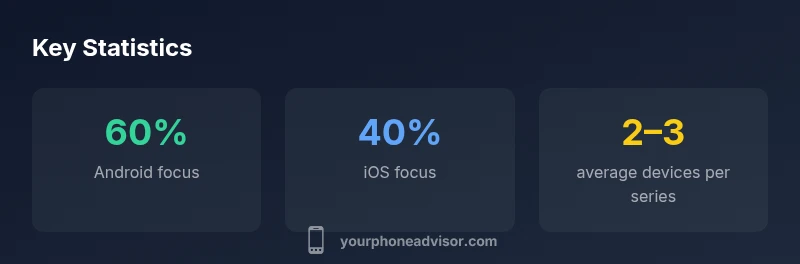
Marques Brownlee does not consistently stay with a single device. In publicly available videos and reviews, he tests flagship Androids (notably Google's Pixel line) and iPhones, often switching based on the topic. The exact phone in use can change month to month, so there is no fixed model to name.
What We Can Learn from MKBHD's Public Footage
Marques Brownlee, known for meticulous video quality and in-depth tech analysis, consistently demonstrates that a reviewer’s device selection is as much about context as preference. In his public videos, he’s been seen engaging with both Android and iOS ecosystems, often pairing a high-end phone with a compatible camera rig and software setup. This approach reflects a broader truth in tech journalism: the device is a tool for testing, benchmarking, and storytelling, not a badge of ownership. The Your Phone Advisor team notes that, over time, his on-camera gear reveals a thoughtful balance between platform parity and feature-specific testing. He showcases what each ecosystem can do, rather than declaring allegiance to a single model. Readers and viewers gain a more accurate picture when a creator uses multiple devices to illustrate differences in camera quality, software nuance, and accessory compatibility.
In practical terms, MKBHD’s videos suggest a strategy: use the device that best showcases the feature under review, whether that’s a top-tier Android flagship or a premium iPhone. This helps audiences compare experiences directly and prevents bias toward a single operating system. The broader takeaway for enthusiasts is to follow creators who test across platforms, so you can form an opinion rooted in comparative evidence rather than brand loyalty.
How Creators Signal Their Gear in Videos
Tech creators signal their current device through a mix of on-screen cues and post-production cues. Typical signals include the visible device in frame (often held by the host or resting on a table), close-up shots of the device’s camera module or UI, packaging glimpses in a backdrop, and explicit verbal mentions during reviews. In some cases, creators also reference the device in social posts, captions, or during live streams, providing a corroborating trail that fans can follow. This signaling matters because it helps audiences understand the testing context and the device’s capabilities being evaluated. For viewers, the best practice is to note the device in the video description or captions and cross-check with the creator’s social channels for model confirmations.
From a workflow perspective, a multi-device testing routine often involves parallel app ecosystems, cross-compatibility checks, and sample footage captured with different pixel sizes, processing pipelines, and color profiles. The end result is a more robust, apples-to-apples comparison that benefits the audience rather than the sponsor.
- Look for frame-time cues when the device is shown
- Check packaging and on-screen UI for model hints
- Cross-reference with the creator’s official posts for confirmation
How to Verify a Device in a Clip
Verification in video content requires a mix of observation and corroboration. Start by cataloging visual cues: the device’s camera bump, distinctive logo placement, or unique software UI icons can help narrow down the model family. Next, listen for explicit mentions—many creators reference the device name aloud or in the video description. Third, examine unboxing segments or accessory boxes that occasionally appear in the background. Finally, check the creator’s social media or official announcements around the video release date; posts or replies often reveal the gear used during production. If you want higher confidence, compare public tests of the device’s camera samples, performance benchmarks, and app behavior described in the same video series. This cross-checking builds a persuasive case for the device being showcased.
In practice, you’ll rarely see a single camera shot that definitively proves the exact model, but a combination of cues across the video and published materials typically yields a reliable identification. Remember that creators may temporarily use a device for a specific shot and switch mid-video, so consider multiple clips from the same series for confirmation.
What This Means for Viewers and Buyers
For viewers, the key takeaway is that credible tech coverage often involves multi-device testing, not a single daily driver. If you’re shopping or deciding between Android and iOS devices, follow creators who demonstrate both sides of the ecosystem and discuss real-world usability, camera performance, and software updates across devices. The rotation cadence seen in many reviews—several weeks per device—helps surface strengths and weaknesses in context. Buyers should weigh the features highlighted by the creator against their own priorities: camera quality, battery life, software experience, and accessory ecosystems. Remember, a creator’s device choice is a lens for evaluation, not a prescription for what you must own.
Practical takeaways:
- Prioritize features that align with your own needs, not the device the reviewer happens to use.
- Seek reviews that compare devices directly on similar tasks (photo/video quality, battery, software).
The Ecosystem Angle: Accessories, Services, and In-Camera Work
Device choice is inseparable from ecosystem and workflow. Even if a creator rotates devices, the surrounding accessories—lenses, tripods, microphones, and editing software—play a crucial role in the final product. Review videos often incorporate a consistent set of peripherals to ensure uniformity across tests, making the comparisons fair and reproducible. Additionally, cloud services, backup strategies, and color management pipelines influence how footage looks on screen. Observing how creators integrate these elements alongside their devices provides a fuller picture of the testing environment. For fans, this means evaluating not just the phone’s hardware, but the entire production stack that shapes the final review.
Key considerations:
- Are the same editing tools used across devices?
- Do lighting and color profiles remain consistent?
- How do any differences in processing affect footage quality?
Rotation Cadence and Public Statements
A recurring pattern among top tech reviewers is the rotation cadence—devices are cycled every few weeks to months. This cadence helps keep content fresh and enables ongoing evaluation of software updates and new hardware revisions. Public statements about device use often accompany new video releases or review announcements. For the audience, tracking these cadences provides a rough timeline of when a device might be in rotation and what new features are being tested. It’s also worth noting that creators may participate in product launches or sponsorships, which can influence the devices featured in a given season. The most reliable approach is to cross-check multiple videos around the same timeframe.
Practical tips:
- Build a watchlist of release dates for the devices you care about
- Watch multiple videos from the same creator within a close window to spot rotation patterns
Practical Tips for Tracking Celebrity Device Usage
If you want to track what phones creators are using, adopt a simple, repeatable method:
- Create a tracker with columns for video title, device name (if disclosed), date, and source link.
- Note any visual clues immediately after watching a clip, then verify with official posts.
- Compare multiple creators to identify trends across the industry. This approach helps you build a personalized database of device usage over time, reducing reliance on single videos or thumbnails for evidence. It also aids in evaluating how reviewers test devices across different backgrounds and contexts.
Bottom line: consistency in data collection beats a single flashy reveal.
Common Misconceptions About Celebrity Device Choices
Fans sometimes assume a creator’s favorite device is the one they own personally. In reality, many reviewers test a variety of devices to present balanced coverage. Another misconception is that a high-profile device automatically means better quality review—the truth is that the review’s value comes from methodology, not from brand prestige. Finally, some viewers interpret on-camera gear as permanent, when in fact rotation is a standard practice in tech media. Understanding these nuances helps audiences avoid over-claiming about a creator’s personal device preferences.
Tips to avoid misinterpretation:
- Distinguish between testing gear and personal daily drivers
- Look for explicit disclaimers about sponsorships or test devices
- Focus on the reviewer’s evaluation framework rather than a single device
Applying These Lessons to Your Own Phone Strategy
Applying Marques Brownlee’s multi-device mindset to your own phone strategy can yield practical benefits. If you’re deciding between Android and iOS, consider testing devices from both ecosystems to understand which platform best fits your workflow. Use the same core app suites you rely on daily to compare experiences, and keep a running log of your impressions on camera performance, battery life, and UI responsiveness. This empirical approach helps you choose a device that truly matches your needs rather than chasing the latest hype. As a final note, don’t underestimate the role of accessories and environment in shaping your overall experience; a well-supported setup often makes a bigger difference than the phone alone.
Comparison of device types used by top reviewers for testing and demos
| Device Type | Common Use Case | Pros | Cons |
|---|---|---|---|
| Android Flagship | Video testing, photography, apps | High-end hardware, fast updates | Software fragmentation; ecosystem variability |
| iPhone Flagship | Video capture, ecosystem, apps | Strong stability, polished software | Limited customization; higher cost |
| Other Premium Phone | Demos and cross-platform testing | Unique features and camera modes | Smaller app ecosystem; support variance |
Got Questions?
Does Marques Brownlee use a single phone for all videos?
No. He publicly uses multiple flagships across Android and iOS, switching by topic and review needs.
No—he uses different devices depending on the topic and review.
Which brands has he used most recently?
He has featured both Google Pixel and Apple iPhone devices in recent work, highlighting cross-platform testing.
He’s shown both Google and Apple devices in recent content.
How can I tell which device is shown in a video?
Look for on-screen cues, packaging glimpses, and cross-check official posts from the creator around the video date.
Watch for cues like the logo, packaging, and posts from the creator.
Is there a way to know his exact model?
Often the exact model is inferred from cues and corroborating posts; it may not be disclosed explicitly in every video.
Often you deduce it from clues and posts rather than a direct disclosure.
Can I rely on a creator's device recommendations?
Yes, provided you consider their testing methods and compare multiple devices rather than a single model.
Yes, but weigh it against their testing approach and cross-device comparisons.
“A reviewer who uses multiple devices demonstrates commitment to comprehensive testing and credibility.”
What to Remember
- No single device dominates elite reviewer workflows
- Cross-platform testing improves credibility and context
- Look for corroborating signals (video cues, posts) to verify gear
- Consider the full production stack, not just the phone
- Track device cadence to anticipate which tech is featured next