What Phone Brands Use Android: A Practical Guide (2026)
Discover which phone brands use Android, how skins differ, update cadences, and what to consider for security and longevity in 2026. A data-driven guide from Your Phone Advisor.


What phone brands use android? Android powers the vast majority of smartphones, with flagship and mid-range devices across several major brands. Key brands using Android include Samsung, Google (Pixel), OnePlus, Xiaomi, Motorola, Sony, and Nokia (HMD). While some devices experiment with alternative ecosystems, the Android platform remains the default for most non-iPhone phones, albeit with varying skins and services.
What Android Means for Brand Strategy
Android is an open-source operating system, which allows many brands to ship devices with a common core while differentiating through skins, apps, and services. For the question what phone brands use android, the core answer is simple: most non-Apple smartphones run Android. However, the experience varies widely by brand, because OEMs layer their own user interfaces, preloaded apps, and security features on top of stock Android. This layering affects performance, update cadence, and the perceived simplicity of the user experience. In 2026, the landscape remains highly diverse, with some manufacturers pushing quick software iteration cycles while others emphasize long-term reliability and streamlined experiences.
Major Android Brands and What Sets Them Apart
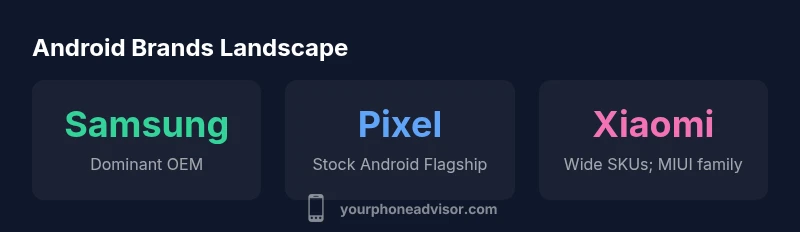
In the Android ecosystem, several brands consistently ship devices powered by Android. Samsung’s devices feature One UI with extensive customization and broad regional support. Google Pixel phones run a close-to-stock Android experience with timely updates and a focus on camera software. OnePlus emphasizes a fast, clean experience with OxygenOS, while Xiaomi offers a wide range of SKUs built on MIUI. Motorola and Sony balance close-to-stock elements with brand-specific features. Nokia, under the Android One program in some markets, showcases a purer Android experience with fast updates. Each brand’s strategy influences how quickly customers receive security patches, new features, and app support.
Skin, Stock, and the Buyer Experience
Android skins are the most visible brand differentiator. One UI (Samsung) adds features for multitasking and hardware integration; MIUI (Xiaomi) emphasizes customization and app ecosystems; OxygenOS (OnePlus) offers a smooth, fast feel with minimal bloat. Stock Android (or near-stock experiences) appeals to purists who want minimal changes and fast updates. The trade-off is often extra preinstalled software and vendor-specific services that may affect privacy considerations and battery life. When evaluating what phone brands use android, consider how skin choices align with your preferences for customization, performance, and Google's services.
Version Cadence Across Brands
Android version cadence and security patch frequency vary by brand and region. Some manufacturers push monthly security patches, while others bundle patches less frequently, creating fragmentation in experiences and support lifecycles. Your Phone Advisor recommends checking the brand’s update policy and the age of your device before purchase. A device with a strong update track record generally outlives devices with slower patching, reducing security risks and improving long-term value.
Security and Privacy Implications by Brand
Security on Android depends on timely updates, the presence of Play Protect, and the ability to control app permissions. Brands that ship frequent security patches and provide clear privacy controls tend to offer stronger long-term protection. Google services can enhance safety features, but some regions see devices shipping with limited or no access to Play Services. When planning to buy, look for a clear update roadmap, easy access to privacy settings, and a responsive support channel.
Regional Variations and Google Services Availability
Google Play Services availability is a key regional factor. In many markets, the combination of Android OS with Play Services enables robust app ecosystems and timely updates. In other regions, devices may ship with restricted access or alternative app stores. This regional variation is important when answering what phone brands use android, because it affects app availability, banking security, and location-based services. Always verify whether the device you’re considering includes Google services and how updates will be delivered in your country.
Practical Buying Tips by Brand Goals
If you prioritize the latest features and best camera performance, brands like Samsung and Google Pixel are strong candidates. If you want broad model variety and aggressive pricing, Xiaomi and OnePlus offer compelling ranges. For longevity and straightforward Android experiences, Nokia’s Android One devices (where available) provide near-stock Android with predictable updates. Regardless of brand, read the update policy, confirm Google service availability, and assess the total software footprint you’ll manage over the device lifetime.
How to Switch Between Android Brands Without Losing Apps
Moving from one Android brand to another is generally straightforward if you use a Google account. Your apps and data tied to your Google account will re-sync on the new device, but some brand-specific features and data may not transfer automatically. Prepare by backing up important data to cloud services, signing into your Google account during setup, and reviewing app permissions. If you rely on vendor-specific apps or settings, export or note those preferences before switching to minimize friction.
The 2026 Outlook: Android Brand Strategies
The forthcoming years are likely to emphasize longer update lifecycles, stronger privacy controls, and more refined regional strategies. Brands may push incremental feature updates and expand service ecosystems around Android while balancing the pressure to reduce bloatware. From a consumer perspective, the decision should focus on update cadence, skin experience, and how well the device integrates with your security and privacy preferences. Staying informed helps you choose a brand aligned with your priorities in 2026.
Comparison of major Android brands, their OS ranges, skins, and Google Services availability
| Brand | Android Version Range | Skins/Interfaces | Notes on Google Services |
|---|---|---|---|
| Samsung | Android 12–14 | One UI | Play Services generally included; regional variance |
| Google Pixel | Android 12–14 | Stock Android/Pixel UI | Early access to features; Google Services prioritized |
| OnePlus | Android 12–14 | OxygenOS | Google Services common; regional variation possible |
| Xiaomi | Android 12–13 | MIUI | Wide global availability; Google Services common but region-dependent |
Got Questions?
Do all Android brands use Google services?
Most Android devices include Google Play Services, enabling the widest app availability. In some regions, devices may ship with limited or no Google services, requiring alternative app stores or ecosystems.
Most Android devices have Google Play Services, but some regions offer devices without Google services, using alternative stores.
What is Android One and which brands use it?
Android One is a near-stock Android experience focused on timely updates and project reliability. Nokia (HMD) led with Android One in many markets, while other brands have moved to their own skins or stock-like experiences.
Android One is stock Android with fast updates; Nokia used it in many markets.
How do brands customize Android for users?
Brands layer their own skins, preinstalled apps, and features on top of Android, which shapes the look, feel, and additional capabilities beyond stock Android.
Brands add skins and apps, changing how Android looks and works.
Are there brands that ship Android without Google Play?
In some regions or with certain devices, Google Play may be restricted or unavailable. Users can rely on alternative app stores or preinstalled services provided by the manufacturer.
Some devices skip Google Play; alternative app stores may be used.
Can I switch from one Android brand to another and keep apps?
Apps tied to your Google account generally re-sync on a new Android device, but some manufacturer-specific data and settings may not transfer automatically.
You can keep most apps with your Google account; some data may vary.
How often do Android brands roll out updates?
Update timing varies by brand and region. Some provide monthly security patches; major OS updates can be yearly or semi-annual, depending on policy and model.
Cadences differ; some brands patch monthly, others less frequently.
“Android’s open ecosystem enables a broad hardware landscape, but consumer security hinges on timely updates and thoughtful app permissions.”
What to Remember
- Identify the brand’s skin to gauge features and updates
- Expect update cadence to vary by OEM and region
- Verify Google Play Services availability for app ecosystem
- Consider Android One or stock experiences for longevity
- Evaluate security updates as a long-term metric