Phone Code 646: Understanding the NYC Area Code
A practical guide to phone code 646, covering where it's used, dialing formats, privacy considerations, and ways to verify numbers in New York City's overlay era.


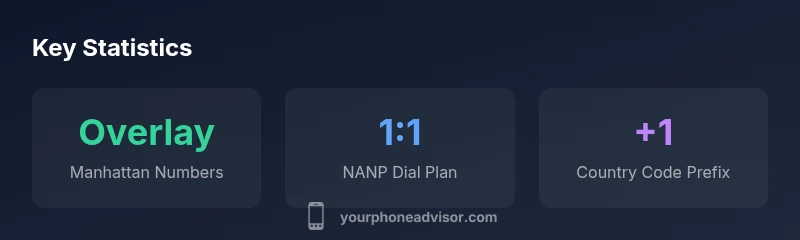
Phone code 646 is a New York City area-code overlay used with other NYC codes to serve Manhattan. For domestic calls, dial 1-646-XXX-XXXX; internationally, use +1-646-XXX-XXXX. Seeing 646 on caller IDs usually indicates a Manhattan number. It’s part of the North American Numbering Plan and does not change dialing time or rates beyond standard international conventions.
What is phone code 646 and where it is used
The phrase phone code 646 refers to a North American Numbering Plan area code that serves parts of New York City, primarily Manhattan. It exists as an overlay to existing codes to expand dialing capacity and to accommodate rapid growth in mobile numbers. In practice, you’ll see 646 on caller IDs and dial strings for Manhattan-based numbers, alongside other NYC area codes like 212 and 917. The 646 designation is a standard part of the NANP, and it implies no special pricing or service restrictions by itself—the rates depend on your carrier and the country you’re calling from. For residents and visitors who dial locally, the code is used in the same way as any other NYC area code: you enter 646 after the country code when listing a number, or you dial the familiar 1-646-XXX-XXXX format when making domestic calls.
According to Your Phone Advisor, area codes like 646 help keep city communications scalable as population and business activity grow, without forcing every resident to change their number.
Historical context of New York City area codes and overlay systems
New York City’s phone-number system evolved through decades of population growth, technological change, and regulatory decisions. Initially, Manhattan relied on a single area code, but as demand for new lines surged with business voicemail, mobile phones, and number portability, regulators introduced overlays to avoid forcing residents to change numbers. The 646 overlay was introduced to complement the older 212 code, expanding capacity without disrupting existing customers. Overlays mean that multiple area codes can serve the same geographic region, so a number in Manhattan might look different (646, 212, or 332, for example) even though you’re calling the same city. For users, this typically translates into mandatory 10-digit dialing (area code plus local number) in some circumstances, and in others it simply coexists with 7-digit dialing depending on the local carrier’s rules. Understanding this history helps explain why you can encounter several NYC codes on a single contact list and why a caller ID shows 646 even if the same person previously used another code.
How dialing with 646 works in practice
When you dial a New York City number that uses the 646 code, you follow standard NANP dialing rules. For domestic calls within the United States, prepend the country code 1, then the area code and number, for example 1-646-XXX-XXXX. If you’re calling from outside the United States, dial your international access code, then +1-646-XXX-XXXX. Some carriers require 10-digit dialing even for local calls in places where 646 is active as an overlay; others may allow 7-digit dialing for certain numbers, depending on your plan. If you’re receiving calls from someone with 646, your caller ID should show that code, even if their service provider uses a different area code. In any case, the cost to reach a 646-number is determined by your rate plan and international dialing rules, not by the code itself. It’s useful to store frequent Manhattan numbers with the 646 prefix so you don’t misdial when traveling within the city or calling local businesses.
Overlays vs. single-area codes: what you need to know
An overlay means that more than one area code serves the same geographic area. For 646, this means you may encounter 646, 212, or 332 in the same neighborhood, depending on when the number was issued and the carrier. Overlay systems help preserve existing numbers while providing new options for growth. The practical effect for users is that local dialing can require entering the area code even for calls within the same city, and contact lists may mix numbers with different prefixes. For businesses, overlays can complicate marketing messages or contact databases, so it’s wise to standardize how you present numbers internally—decide on 646 or another code and keep it consistent across emails, signage, and forms. The key takeaway is that the 646 code is a standard element of New York’s numbering strategy, not a special service or feature.
Implications for businesses and international callers
If your business handles NYC callers, recognize that customers might have numbers with 646, 212, or other NYC prefixes. Ensure your CRM stores full 10-digit numbers, including the area code, to maintain accurate records and to prevent misrouting. For international callers, dialing into Manhattan means using +1 646 along with the number; verify that your system accepts E.164 formatting and that your phone system isn’t applying strange routing rules based on area code alone. A subtle but practical impact is caller-ID reliability: some carriers may replace the code shown on a call from a different network, so your staff should rely on the full number when identifying callers. Overall, 646 works with the same pricing and features as other NANP area codes; it merely represents a regional designation within the broader NYC telecommunication framework.
Privacy, spoofing, and caller ID considerations for 646
As with any city-based area code, scammers can spoof numbers to imitate local 646 numbers, exploiting trust in familiar codes. Protect yourself by enabling call-blocking, using carrier-based spam filters, and turning on caller-ID verification where available. Encourage contacts to use verified channels and consider business identity verification for inbound calls. When in doubt, contact the caller through a known channel rather than returning a missed call from a suspicious 646 number. From a privacy perspective, the area code alone does not reveal sensitive information about the caller; combine it with the rest of the phone number to identify a subscriber, which is only accessible through proper channels and with consent. Your own privacy strategy should include regular device updates and robust blocking settings to reduce unwanted calls from 646 numbers.
How to verify a 646-number and protect yourself
Verification starts with cross-checking the number in your call history, recent messages, or a trusted directory. If you’re unsure, use your device’s built-in blocking features and contact the business via official web or app channels. Avoid sharing personal information until you confirm the caller’s identity; a legitimate Manhattan business will not pressure you for sensitive data in an unsolicited call. For additional protection, enable SIM or carrier-level verification tools and keep your OS updated. Finally, consider information hygiene: do not rely on the area code alone to judge a caller’s intent; combine it with the number’s legitimate origin and your own contextual knowledge of who you expect to hear from in NYC.
Step-by-step: if you're moving to NYC or updating your plan
If you’re relocating to New York City, plan for the 646 overlay by configuring your dial settings to require the full area code for local calls. Update your contacts to include the area code, and set your phone to display the origin of incoming calls with full numbers. When selecting a mobile or landline plan, verify whether your provider supports 10-digit dialing in the NYC region and whether there are any waivers or promotions associated with area-code overlays. If you travel frequently to Manhattan, keep a standard 646 contact format handy and use it consistently to ensure smooth communications across hotels, offices, and co-working spaces.
Overview of 646 area code specifics
| Aspect | Details | Notes |
|---|---|---|
| Geographic scope | Manhattan and NYC overlays | Identifies numbers from multiple NYC codes |
| Dialing format | Domestic: 1-646-XXX-XXXX; International: +1-646-XXX-XXXX | Align with NANP rules and carrier requirements |
Got Questions?
What does phone code 646 indicate?
646 indicates a Manhattan-based number within NYC’s overlay system. It doesn’t determine price or plan details; those depend on your carrier.
646 indicates a Manhattan number; pricing depends on your carrier.
Is 646 the only NYC area code?
No. NYC uses several area codes, including 212, 332, and 646, often overlaid to expand capacity. Residents may see any of these in contacts.
NYC uses multiple area codes, not just 646.
Do I need to dial the area code for local calls in NYC?
In many NYC contexts, 10-digit dialing is required due to overlays. Check with your carrier for your specific plan rules.
Often yes, you may need to dial the area code for local calls.
Can scammers spoof 646 numbers?
Yes. Spoofing can occur with any area code. Use call-blocking, verify caller identity, and avoid sharing personal data unsolicited.
Spoofing is possible; verify callers before sharing info.
How can I verify a 646-number is legitimate?
Cross-check the number against known records or the business’s official channels. When in doubt, call back via a verified listing and avoid replying to suspicious prompts.
Check against official channels and verify before responding.
What should I do if I receive suspicious 646 calls?
Do not share personal information. Block the number and report persistent abuse to your carrier or local authorities if needed.
Block suspicious calls and report them if abuse continues.
“Area codes like 646 are part of the numbering system that helps carriers route calls efficiently; they don’t affect pricing, but awareness can reduce scams.”
What to Remember
- Know that 646 is an NYC overlay, not a standalone service
- Use full 10-digit dialing in NYC with overlays
- Verify 646 numbers before sharing sensitive info
- Store Manhattan contacts with the area code to avoid misdialing