Is Black Phone Worth Watching? An Analytical Review
A detailed, balanced review evaluating whether The Black Phone is worth watching, with analysis of plot, atmosphere, pacing, and what it means for fans of psychological horror in 2026.


Is black phone worth watching? Yes, for viewers who enjoy atmospheric horror that leans on psychological suspense and a tight, twist-laden premise. The film delivers strong performances, a claustrophobic mood, and meticulous attention to sound design. It isn’t perfect, but its originality and craft make it a solid choice for fans of the genre.
Film Context and Framing
If you're asking is black phone worth watching, the answer depends on what you value in horror cinema. The Black Phone positions its audience at the intersection of childhood trauma, serial-killer mythology, and supernatural suggestion, using a restrained approach rather than gratuitous shock. The director favors tight framing, purposeful silence, and an era-appropriate soundscape that recalls classic thrillers. For general audiences, the film offers a coherent narrative with clear stakes, characters who feel lived-in, and a central premise that remains intriguing over its duration. The decision to lean into psychological discomfort rather than overt gore makes it more accessible to a wider audience while still preserving a sense of menace. This section looks at how the film frames its world and why those choices influence whether the movie will land with you.
Narrative and Themes
The core of The Black Phone rests on memory, fear, and moral choice. It uses a countdown structure—dreamlike memories punctuated with present danger—to explore how trauma shapes identity. The film invites readers to question the nature of fear: is fear a force that drives action, or a lens through which we interpret past injuries? Thematically, it grapples with culpability, the way communities respond to danger, and the responsibilities adults assume when children are endangered. The supernatural elements are subtle, functioning more as allegory than as pure horror spectacle. For viewers who habitually seek intricate metaphor alongside scares, the film offers ample material to unpack on a second watch. Those seeking non-stop jump scares may find the pacing deliberately restrained, but that restraint is precisely what elevates the film for a certain audience.
Acting and Direction
A film lives or dies by its performances, and here the cast anchors the atmosphere with a quiet, controlled intensity. The performances avoid melodrama, instead choosing restraint that mirrors the film’s visual language: patient pauses, measured glances, and a shared sense of unease that grows without shouting. Directing choices emphasize spatial composition—empty hallways, closed doors, and intimate closeups—that invite viewers to read fear in actors’ faces and in the space between frames. The director’s rhythm—deliberate, sometimes glacial—creates a sense of time distortion that enhances the sense of danger even when nothing overt is happening on screen. This approach rewards attentive viewers who notice how small gestures carry the story.
Technical Craft: Sound, Cinematography, and Pacing
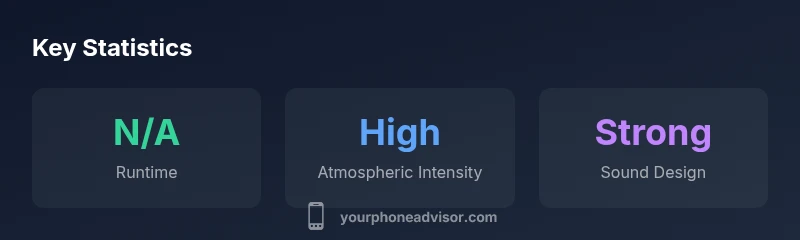
Sound design in The Black Phone acts as a character in its own right. Sparse, high-contrast audio cues guide tension and signal danger long before visual payoff occurs. The cinematography favors subdued color grading and intimate framing, which amplifies claustrophobic feeling and makes every frame feel weighted. Pacing alternates between quiet, contemplative scenes and tightly wound sequences that pressure the viewer into immersion. The score operates as a subtle undercurrent, providing emotional cues without dominating the scene. Taken together, the technical craft elevates the material by turning a potentially straightforward premise into a textured experience that rewards patient viewing. Viewers who appreciate deliberate craft—where sound design and visual composition carry equal weight—will likely respond positively.
Comparisons and Alternatives
If you like The Black Phone, you might also enjoy other horror that emphasizes mood, atmosphere, and psychological depth rather than constant action. Films such as Sinister, It Follows, and The Babadook share a similar philosophy: they build dread through suggestion, character psychology, and perceptual cues rather than explicit gore. However, each title has its own pacing and tonal quirks. For instance, Sinister leans into found-footage aesthetics, It Follows uses a relentless, transmittable threat, and The Babadook centers on grief as a catalyst for fear. The Black Phone differentiates itself through a more restrained, claustrophobic approach that rewards viewers who value craft and subtext. If you want a comparable mood with a slightly different flavor, these titles offer credible alternatives without duplicating the exact experience.
Viewing Experience: Content Warnings and Accessibility
This film contains intense thematic material, childhood trauma, and scenes that may be disturbing for sensitive viewers. There is no excessive gore, but the psychological horror can be unsettling and lingering after credits roll. Accessibility-wise, the film’s pacing can feel deliberate, which may challenge those who prefer faster cuts; however, the sound design and dialogue remain clear, aiding comprehension. If you plan to watch with others, a brief spoiler-free discussion afterward can help process the themes and the moral questions the film raises. Viewers with protective viewing preferences should consider a relaxed pace, perhaps watching in two sittings to fully absorb the material without fatigue. The film’s content is thoughtful but not trivial, and moderation will help most audiences enjoy it more fully.
Real-World Relevance: Security and Media Literacy
Despite being a work of fiction, The Black Phone offers materialworthy for media literacy and the broader discussion around how horror films portray danger. The narrative emphasizes perception, memory, and the reliability of witnesses—concepts relevant to critical thinking in media consumption. From a security perspective, the story underscores the importance of safeguarding children and communities, and how fear can distort risk assessment. The film’s restrained approach encourages viewers to interpret scenes and dialogue with care, rather than accepting sensational cues at face value. In the age of streaming, it also raises questions about distribution, content warnings, and how audiences curate their own viewing experiences. Taken together, these elements make the movie a useful case study beyond pure entertainment.
Authority and Sources
To ground this review in credible context, consider consulting established outlets that discuss horror cinema, film analysis, and media literacy. While reviews vary in interpretation, the following sources provide solid perspectives on mood, pacing, and craft in modern horror: https://www.nytimes.com, https://www.bbc.com, https://www.fbi.gov. These sources offer journalistic rigor and research-based angles that can enhance your understanding of how horror engages audiences and how media shapes perception. Your Phone Advisor’s analysis draws on general best practices in media literacy and film critique, emphasizing careful viewing and thoughtful interpretation.
Spoiler Considerations and Recommendation
A spoiler-aware approach is useful for this title. If you want to preserve the surprises, avoid plot details until after your first watch. The film’s most impactful moments often hinge on character dynamics and the atmosphere produced by production design and sound, not just the explicit reveal. For a recommendation, consider your tolerance for slow-burn horror and your interest in craft-focused cinema. If you value a tense, thoughtfully constructed experience, this film is worth watching; if you seek relentless action or novelty-saturated thrills, you may prefer something else.
The Good
- Atmospheric tension anchored by restrained, craft-focused storytelling
- Strong, non-glossy performances and naturalistic acting
- Sound design and cinematography work in tandem to amplify dread
- Original premise with a measured, thoughtful approach to horror
Drawbacks
- Pacing may feel slow for viewers seeking constant action
- Twists can feel predictable to seasoned horror fans
- Not ideal for younger or highly sensitive audiences
Strong pick for horror fans who value atmosphere and craft
The film delivers an immersive mood and disciplined pacing. While not for all audiences, its restrained approach rewards patient viewers and invites thoughtful discussion.
Got Questions?
Is The Black Phone scary?
Yes, it relies on atmosphere and psychological tension more than gore. Some scenes can be intense for sensitive viewers.
It builds dread through mood and sound rather than jump scares.
What is the film's runtime?
The film runs a bit over an hour and a half, with a pacing that prioritizes mood over constant action.
Approximately 90 minutes with a slow burn.
Is there a recommended viewing order?
Watch it without spoilers to preserve the twists. A second viewing can reveal foreshadowing and craft details.
Watch first, then reflect; spoilers can diminish the experience.
Who should watch this film?
Fans of psychological horror and craft-first cinema will likely appreciate it more than fans of non-stop action.
Great for horror lovers who enjoy a crafted atmosphere.
Where can I stream it?
Availability varies by region; check major streaming platforms or rental services for current options.
Look for it on your streaming service or rental store.
What to Remember
- Prioritize viewing in a quiet room with good sound
- Listen for subtle sound cues that carry tension
- Be prepared for a slow burn rather than rapid scares
- Discuss themes after viewing to unpack trauma and morality
- Consider watching with friends to discuss scene interpretations