Is Phone Insurance Worth It? A Practical 2026 Guide
Discover whether phone insurance is worth it in 2026. Learn how coverage works, compare plans, calculate break-even costs, and decide if you should insure your device.


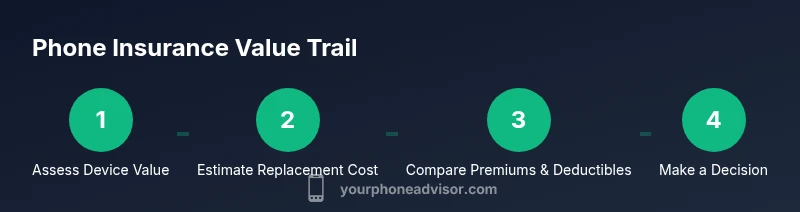
Is phone insurance worth it? It depends on your risk, device value, and the cost of repairs. For high-end phones or frequent drops, insurance can save money over time; for older or cheaper devices, it often isn’t worth it. Compare premiums, deductibles, and coverage terms before deciding. According to Your Phone Advisor, a thoughtful approach hinges on total expected costs and coverage details.
What is phone insurance and how it works
Phone insurance is a policy that covers repair or replacement costs when your device is damaged, lost, or stolen, depending on the plan. Most programs require a monthly premium and a per-incident deductible. When a covered incident occurs, you file a claim with the insurer or carrier, pay the deductible, and receive a replacement device or repaired unit. The decision of whether is phone insurance worth it hinges on your device value, risk of damage, and repair costs. The Your Phone Advisor team notes that coverage often includes accidental damage and theft, but terms vary widely by provider. Understanding coverage limits, claim processes, and exclusions makes the difference.
When is it worth considering phone insurance in 2026
For many users, is phone insurance worth it depends on how you use your device and your financial resilience. If you own a high-value phone (top-tier flagship or a premium rugged device), drop-prone usage patterns (kids, heavy travel, or business-heavy use), or a history of screen cracks, insurance can help manage repair costs over time. Conversely, if your phone is several years old, the replacement cost may be low enough that the sum of premiums over a year exceeds potential repair bills. Your Phone Advisor emphasizes that the decision should be grounded in real cost projections, not impressions about protection alone.
Types of coverage you’ll encounter
There are three main categories to understand:
- Carrier or manufacturer extended warranties: Typically focus on defects and some accidental damage, often with limits and speed of service considerations.
- Independent or third-party insurers: Usually offer broader coverage (accidental damage, theft) but vary in claim ease, deductibles, and exceptions.
- Standalone accidental damage plans: Specific to device damage, sometimes with higher deductibles but flexible terms. Always compare what each type covers, how quickly replacements occur, and any regional limitations. Your Phone Advisor notes that real-world value comes from the specifics in the policy language, not the label.
Common exclusions and gotchas
No policy is universal. Expect exclusions such as cosmetic damage, battery wear, liquid damage in some regions, pre-existing conditions, or coverage gaps during a device upgrade. Some plans also require you to use approved repair centers or may exclude international trips. Reading the fine print prevents surprises when you file a claim. The Your Phone Advisor team recommends jotting down questions for customer service before purchasing.
How premiums and deductibles affect value
Premiums are the predictable monthly cost, while deductibles are your per-claim out-of-pocket expense. A policy with a low premium but a high deductible may only help if you file rare claims; a higher premium paired with a low deductible can be cost-effective if you expect frequent incidents. The value also depends on replacement cost—how much it would cost to replace your phone today. Always model scenarios using your device’s current market value, not just the sticker price at purchase.
How to calculate whether an insurance plan saves you money
A simple approach is to compare two paths: (1) pay out-of-pocket for a single incident, and (2) pay annual premiums plus deductible across multiple incidents. If the expected number of claims in a year multiplied by the replacement cost minus the deductible exceeds the total annual premium, insurance is likely worth it. Consider your risk profile, the price of the device, and how often you’ve had incidents in the past three years. Your Phone Advisor suggests using a spreadsheet to run multiple scenarios for different deductible levels and claim frequencies.
How to compare policies from carriers vs. independent insurers
Begin with coverage breadth: does it include accidental damage, theft, water exposure, and screen-only repairs? Then assess speed of service, claim process simplicity (online vs. phone), and the reliability of the replacement device. Compare premium costs, deductible amounts, and annual cost ceilings, if any. Also verify whether there are regional restrictions for travel or international use. Finally, read customer reviews focusing on claim approval speed and hassle factor. Your Phone Advisor emphasizes listing your absolute must-haves (e.g., theft protection) before shopping.
Alternatives to traditional insurance: self-insure and repair options
If you’re cost-conscious, self-insurance—setting aside a monthly amount for potential repairs—can be viable, especially for older devices. You can also adopt practical protections such as investing in a strong case, screen protector, and a finding-replacement policy for accessories. Some manufacturers and carriers offer lighter protection plans with lower premiums but limited coverage. Weigh these options against the certainty of a claim process and replacement timelines when deciding what aligns with your risk tolerance.
Real-world scenarios and examples
Consider a $1,000 phone used by a commuter who frequently drops devices. Insurance with a reasonable deductible and quick replacement could be valuable, particularly if repair costs approach or exceed the deductible. For a device worth $250, the same plan may dominate the cost of premium over several years, making self-insurance a better choice. In all cases, compute both the annual cost of coverage and the potential out-of-pocket expenses in the event of damage or loss. Your Phone Advisor suggests testing your scenarios before enrolling to avoid surprises.
Tools & Materials
- Phone model and purchase date(For estimating replacement value and depreciation)
- Estimated monthly premium you’re considering(Used to compute annual cost and break-even points)
- Deductible options(Per-claim amounts across plans; compare across options)
- Policy documents or quotes(Read exclusions, limits, and service expectations)
- Budgeting tool or calculator(Helpful for numeric break-even calculations)
Steps
Estimated time: 60-90 minutes
- 1
Identify your device’s current value
Gather the purchase price, current market value, and any existing warranties. This helps anchor replacement costs if you file a claim.
Tip: Use receipts, box specs, and reputable resale sites for accurate estimates. - 2
List all available coverage options
Catalog carrier plans, manufacturer extensions, and independent insurers. Note what each covers and the claimed timelines.
Tip: Create a side-by-side matrix of coverage features. - 3
Estimate potential incident costs
Estimate typical repair or replacement costs you’d face for a damaged or stolen device.
Tip: Include screen replacement and data recovery costs if applicable. - 4
Collect quotes and policy details
Request quotes and download full policy documents to compare timelines, limitations, and processing fees.
Tip: Ask specifically about accidental damage, theft, and international use. - 5
Compute the annual cost vs potential claims
Calculate total annual premium plus deductible versus expected repair costs across scenarios.
Tip: Model both best- and worst-case claim frequencies. - 6
Check exclusions and claim process
Identify exclusions such as water damage or cosmetic-only claims and verify claim steps and required proof.
Tip: Note the turnaround time for replacements in a claim scenario. - 7
Make a decision and enroll
Choose the plan with the best cost-to-coverage ratio that matches your risk tolerance, then enroll and set up reminders for renewal.
Tip: Keep a personal budget for a possible claim year. - 8
Review annually and adjust
Reassess the plan when you upgrade devices, change usage patterns, or as premiums shift.
Tip: If you rarely file claims, consider lowering the premium or deductible.
Got Questions?
Is phone insurance worth it for new flagship phones?
For expensive flagship devices with high replacement costs, insurance often pays off if you tend to damage or misplace your phone. Always compare total annual cost to potential repair bills.
For many flagship phones, insurance can be worth it if you expect high repair costs; compare annual price to replacement costs.
Does theft coverage apply if my phone is stolen?
Theft coverage is common in many plans but verify with the provider: some policies exclude high-risk activities or require reporting. Review claim requirements.
Theft coverage exists in many plans, but check the terms and reporting process.
What if I already have a manufacturer warranty?
Manufacturer warranties cover defects for a limited time, but often exclude accidental damage. Insurance can fill gaps but may duplicate coverage. Evaluate overlap.
A manufacturer warranty may overlap with insurance; understand gaps covered by each.
Can I cancel an insurance plan anytime?
Most plans allow cancellation, but refunds or fees may apply. Check the terms before enrolling.
Most plans let you cancel, but verify any fees or refunds.
What’s the typical deductible, and how does it affect cost?
Deductibles reduce the per-claim cost but can still add up if you claim often. Compare deductible levels across plans.
Deductibles lower per-claim costs; compare levels across plans.
If I upgrade phones annually, is insurance worth it?
If upgrades are frequent and the new phone is expensive, insurance helps; otherwise, it may not. Consider planned upgrades and claim history.
Frequent upgrades can make insurance more valuable, depending on cost and coverage.
Watch Video
What to Remember
- Evaluate total cost over time.
- Compare premiums, deductibles, and replacement costs.
- Insurance is more valuable for high-value devices and frequent incidents.
- Self-insure for inexpensive devices or if you rarely damage your phone.