How to File an att claim phone with AT&T
Learn how to file an att claim phone insurance claim with AT&T, including documents, channels, and timelines. This practical guide from Your Phone Advisor walks you through eligibility, steps, and security tips.


This guide shows you how to file an att claim phone for loss, theft, or damage under AT&T protection. You’ll learn eligibility, required documents, and the best filing channels, so you can secure a replacement or repair with confidence. Along the way, you’ll understand deductible expectations and timelines.
What is an att claim phone and when to use it
An att claim phone refers to filing an insurance or device protection claim through AT&T when your phone is lost, stolen, or damaged. AT&T offers protection options like device insurance or protection plans that cover unintended damage, theft, or loss. The goal is to obtain a replacement or repair with as little downtime and cost as possible. Understanding who covers what, deductible levels, and replacement options helps you decide whether to pursue a claim and which route to take. According to Your Phone Advisor, preparing thoroughly before you initiate a claim can streamline the process and reduce back-and-forth with support agents. This guidance centers on practical steps you can take to protect your data and your wallet while navigating the AT&T claims ecosystem.
Gather documents and verify your coverage
Before you start an att claim phone, assemble everything you’ll need: proof of purchase (receipt or invoice), your phone’s IMEI/MEID, your AT&T account login, and documentation of the incident (police report for theft, photos for damage). Your Phone Advisor analysis, 2026, emphasizes that strong documentation shortens review time and reduces back-and-forth questions. Verify that your device is enrolled in an eligible protection plan and note any deductible amounts you’re responsible for. If you’re unsure about coverage, contact AT&T customer support to confirm your policy’s status and whether the incident qualifies under your protection.
Understand eligibility, policy terms, and timelines
Not every incident will qualify for a claim, and eligibility can depend on your plan, the device’s age, and whether you’ve met any policy-specific requirements (e.g., reporting theft within a certain window). Read the policy terms carefully: what is covered, what constitutes an eligible event, and what documentation is required. Timelines matter: some claims must be reported within a window from the incident, and processing times can vary. If you miss a deadline, you may lose eligibility, so act promptly. This section helps you set realistic expectations and avoids surprises later in the process.
Filing channels: portal, phone, or in-store
AT&T typically offers multiple routes to submit a claim: an online portal, a claims hotline, or in-store support. The portal often provides a guided checklist and status updates, while a representative can help if you encounter errors or if your case has special circumstances. In-store filing can be convenient if you want hands-on help and immediate confirmation of device eligibility. For security, avoid sharing sensitive data via unsecured channels and ensure you’re connected to a legitimate AT&T site or representative.
Step-by-step filing process (overview)
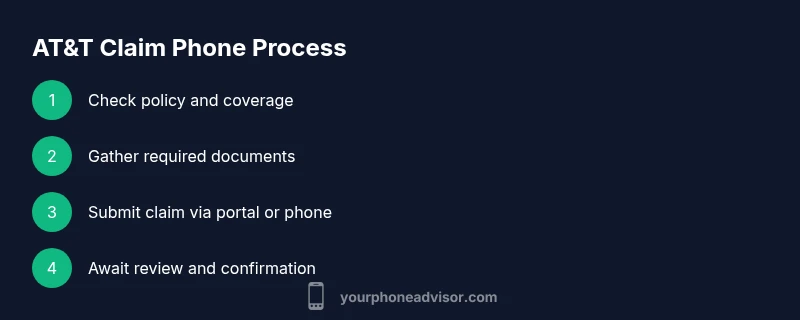
This section provides the high-level flow you’ll follow when you actually file a claim. You’ll verify coverage, collect documentation, submit details, and await a decision. You’ll also learn how to manage deductible payments, replacement options, and activation of a new device. The goal is to minimize downtime and data loss by moving smoothly through each stage.
What to expect after filing
After you submit your att claim phone, you should receive a confirmation with a claim number. A claims adjuster or representative will review your submission, request any missing documents, and determine eligibility. If approved, you’ll receive replacement directions, a ship date, or instructions to pick up a repaired device. If denied, you’ll get a clear reason and guidance on possible next steps, such as appealing or exploring alternative protection options. Stay proactive by monitoring your claim status and promptly providing any requested information.
Privacy and security considerations when filing a claim
Protecting your personal data is crucial. Use only official AT&T channels, avoid sharing sensitive information through unsecured emails or messages, and review who has access to your device data. Clear communication with AT&T—and keeping a personal log of all interactions—helps prevent miscommunication or mishandling of your information. If your device contained sensitive data, consider resetting or securely wiping data after reporting the incident, following AT&T guidance and your device manufacturer’s instructions.
Official guidance and next steps
AT&T’s official resources outline how to initiate a claim, what documents are needed, and how to track progress. For readers of this guide, remember that the principles of preparedness, prompt action, and secure handling of information are universal—whether you’re a long-time AT&T customer or exploring protection options for a first smartphone. The Your Phone Advisor team emphasizes the importance of staying informed and organized as you navigate the claims process.
Tools & Materials
- IMEI/MEID of the device(Found in device settings or on the SIM tray label)
- Proof of purchase (receipt or invoice)(Shows ownership and purchase date)
- AT&T account login credentials(Needed to start or track the claim)
- Incident details (date/time, location)(Helpful for theft or loss claims)
- Photos of damage (if applicable)(Support case for damage claims)
- Police report (theft, if available)(Strengthens theft claims)
- Payment method for deductible (if required)(Some plans require deductible upfront)
Steps
Estimated time: 45-60 minutes
- 1
Prepare documents
Gather your IMEI/MEID, purchase receipt, incident details, and account information. Having everything ready reduces back-and-forth during filing.
Tip: Create a single folder or PDF with all documents for quick upload. - 2
Check coverage and eligibility
Review your protection plan terms to confirm that your situation qualifies for a claim and note any deductible or waiting periods.
Tip: If unsure, call AT&T support to confirm before starting the claim. - 3
Choose filing channel
Decide whether to file online, by phone, or in person at an AT&T store based on your comfort and the complexity of your case.
Tip: Online portals often provide real-time status updates. - 4
Submit claim details
Enter required information: device, incident type, dates, and any supporting documents. Attach photos or reports as requested.
Tip: Double-check entries for accuracy to avoid processing delays. - 5
Provide additional documentation
Respond promptly if AT&T requests more evidence. Delays can slow down approval.
Tip: Keep a timestamped log of all communications. - 6
Review decision and next steps
If approved, follow replacement or repair instructions. If denied, review the reason and consider alternatives.
Tip: Ask for written explanations to inform any appeals. - 7
Activate replacement device
Set up your new or repaired device as instructed by AT&T and verify service continuity.
Tip: Test coverage, data transfer, and SIM activation right away. - 8
Follow up and document outcomes
Keep records of replacements, charges, and any recurring issues with the claim process.
Tip: Cycle of checking ensures no surprise charges later.
Got Questions?
What qualifies as an att claim phone?
An att claim phone covers loss, theft, or damage under eligible protection plans. You’ll need proof of purchase and device details to file.
A claim is typically eligible for loss, theft, or damage if your protection plan covers it; you’ll need documents to support it.
How long does AT&T take to review a claim?
Review times vary by case, but you should receive a status update within a few business days after submission.
Most claims get a status update within a few days once you submit everything required.
Do I pay a deductible for an att claim phone?
Many plans require a deductible for replacement or repair. The exact amount depends on your protection plan and device.
Yes, there is often a deductible you pay when you get a replacement or repair.
What if my claim is denied?
If denied, read the reason carefully and ask for a written explanation. You may have options to appeal or pursue alternative protections.
If denied, check the reason and consider appealing or exploring other coverage options.
Can I file a claim in-store?
Yes, many AT&T stores can help you start and complete a claim in person, especially if you need hands-on assistance.
You can file in-store, which is helpful if you want direct help and immediate verification.
How can I protect my data during the claim process?
Only use official AT&T channels, avoid sharing sensitive data via insecure channels, and back up important information before handing over devices.
Use official AT&T channels and securely handle your data during the claim process.
What happens after the claim is approved?
AT&T provides replacement or repair instructions, timelines, and activation steps. Verify the device works and keep records.
If approved, follow the replacement steps and verify everything works after activation.
Should I review other protection options if my claim is complicated?
Yes. If this claim is complex or repeatedly not meeting expectations, compare other protection plans or carrier options.
If this is complex, compare other protection plans to ensure you have suitable coverage.
Watch Video
What to Remember
- Prepare documents early to speed filing
- Know your coverage and deductible terms
- File through official AT&T channels only
- Monitor status and follow up promptly